
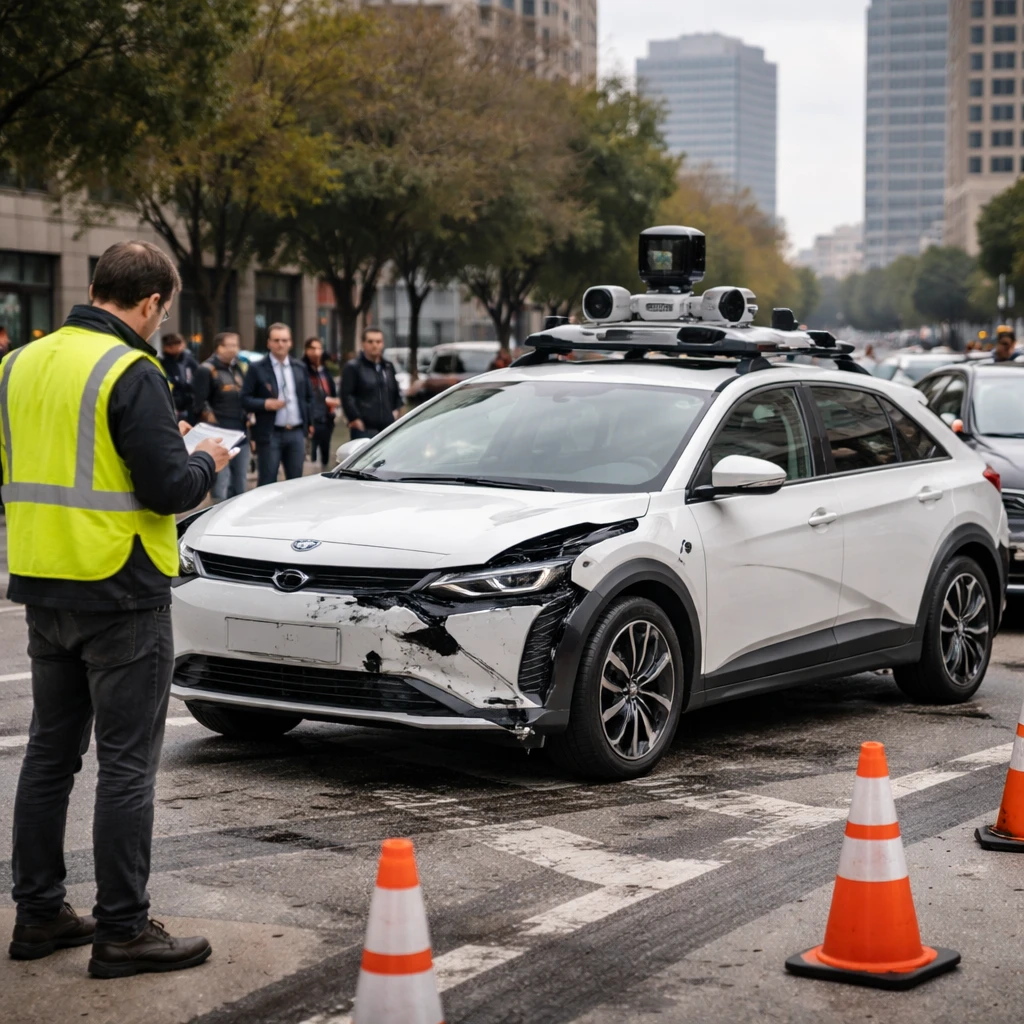
The National Highway Traffic Safety Administration said Friday it is initiating an investigation into multiple crashes involving autonomous vehicles operated by the startup Avride, after a preliminary review raised questions about the systems' performance.
NHTSA stated the behavior captured in crash footage suggests the vehicles may have exhibited "excessive assertiveness and insufficient capability," concerns that the agency said "may also constitute traffic safety violations." The agency identified 16 crashes it considers of concern, with several incidents occurring in Dallas, where Avride has been offering passenger services since December.
According to NHTSA, some of the incidents produced property damage and one incident resulted in a reported minor injury. The agency noted numerous instances in which Avride vehicles executed lane changes into the paths of other vehicles and failed to decelerate or otherwise avoid vehicles or objects in the road, leading to collisions. NHTSA's preliminary review of video footage specifically showed examples of vehicles changing lanes into the path of others, failing to slow or stop for traffic ahead, and striking stationary objects that were partially blocking lanes.
The investigation will examine the scope and severity of the potential problems, along with the risks they pose to passengers and other road users. NHTSA said it will assess both technical and operational factors and the safeguards intended to prevent such events.
Avride said it "welcomes the opportunity to provide the agency with a deeper understanding of our safety protocols and technology." The company added that in all of the reported cases "the vehicle was under the supervision of a trained safety operator on board. In most cases, the vehicle was traveling at low speeds and many of the events were precipitated by the actions of other road users."
Avride also said it has "implemented targeted technical and operational mitigations to address our findings from each reported incidents." The company builds its autonomous capability on Hyundai's Ioniq 5 platform and reported last month that its fleet totals about 200 vehicles, with the firm adding dozens more each month.
NHTSA noted that Avride operates some of its autonomous vehicles on Uber's platform. Uber and Hyundai did not immediately respond to requests for comment on the NHTSA probe.
The agency has opened several investigations in recent years into self-driving cars and advanced driver assistance systems. This inquiry into Avride will focus on whether the problems observed represent isolated failings, broader technical design issues, operational shortcomings, or a combination of factors, and on how effectively existing safeguards are preventing harm.
Context and next steps
NHTSA's formal review follows its initial review of crash videos and will determine whether further enforcement action or safety recalls are warranted. The agency's examination will consider how Avride's systems interacted with real-world driving conditions and other road users, and whether the operational controls Avride cites were sufficient to prevent the identified events.