
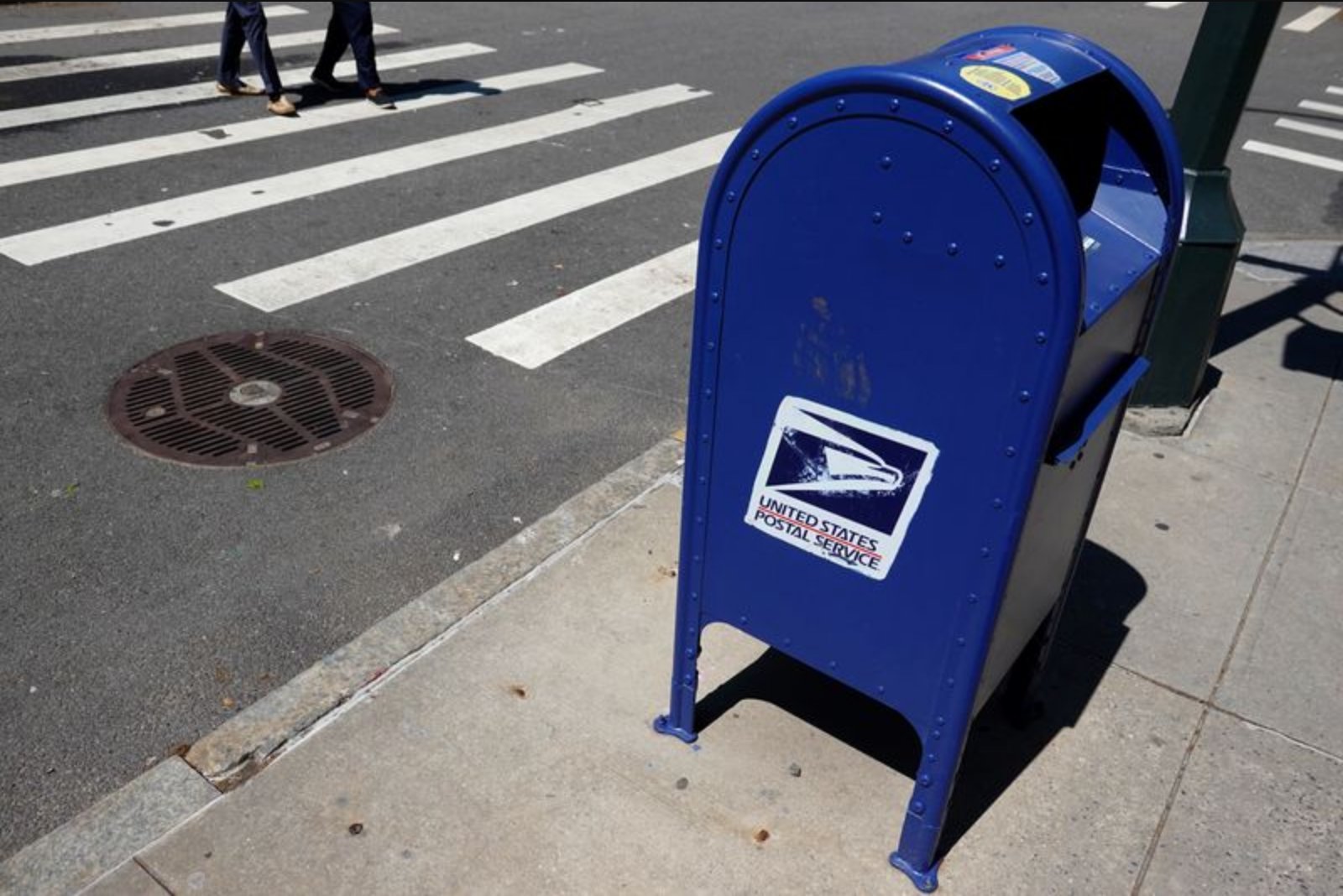
The U.S. Postal Service has filed for permission to impose a temporary 8% surcharge on priority mail and package deliveries, the agency announced. The proposed fee would take effect on April 26 if the Postal Regulatory Commission approves the move.
The USPS described the surcharge as a short-term measure to help offset rising transportation fuel expenses. The agency framed the increase as a "bridge to a permanent mechanism to reflect market conditions in prices for competitive products," and said it will remain in force through January 17 of next year. By that date, the Postal Service plans to assess whether a different, longer-term pricing approach is required.
The proposal does not touch the price of first-class stamps. The agency noted that its competitors, FedEx and UPS, have applied fuel surcharges in the 25% to 28% range for ground and air deliveries since the start of the Iran war, reflecting jumps in oil prices and sharp increases in jet fuel and diesel. According to USPS, the agency has largely avoided applying surcharges until now and characterized the proposed 8% charge as less than one-third of what competitors currently charge for fuel alone.
USPS officials highlighted broader financial strain in explaining the decision. The agency has warned it could run out of cash as early as October. Postmaster General David Steiner told Congress earlier this month that raising first-class stamp prices to 95 cents or to $1 or more, from the current 78 cents, would generate additional revenue and help reduce ongoing losses. Stamp prices have risen 46% since early 2019, when they were 50 cents, the agency noted.
USPS also said that the decline in first-class mail volume has been a central factor in its fiscal deterioration. The service has reported net losses totaling $118 billion since 2007, and first-class mail — historically the agency's most profitable product — has fallen to its lowest volume since the late 1960s.
Context for industry participants
- The surcharge targets competitive package and priority services rather than universal-service-priced first-class stamps.
- The agency intends the temporary charge to allow time to develop and potentially implement a permanent pricing framework tied to market conditions.
- USPS faces immediate liquidity concerns and long-term structural revenue challenges tied to declining first-class mail volumes.