
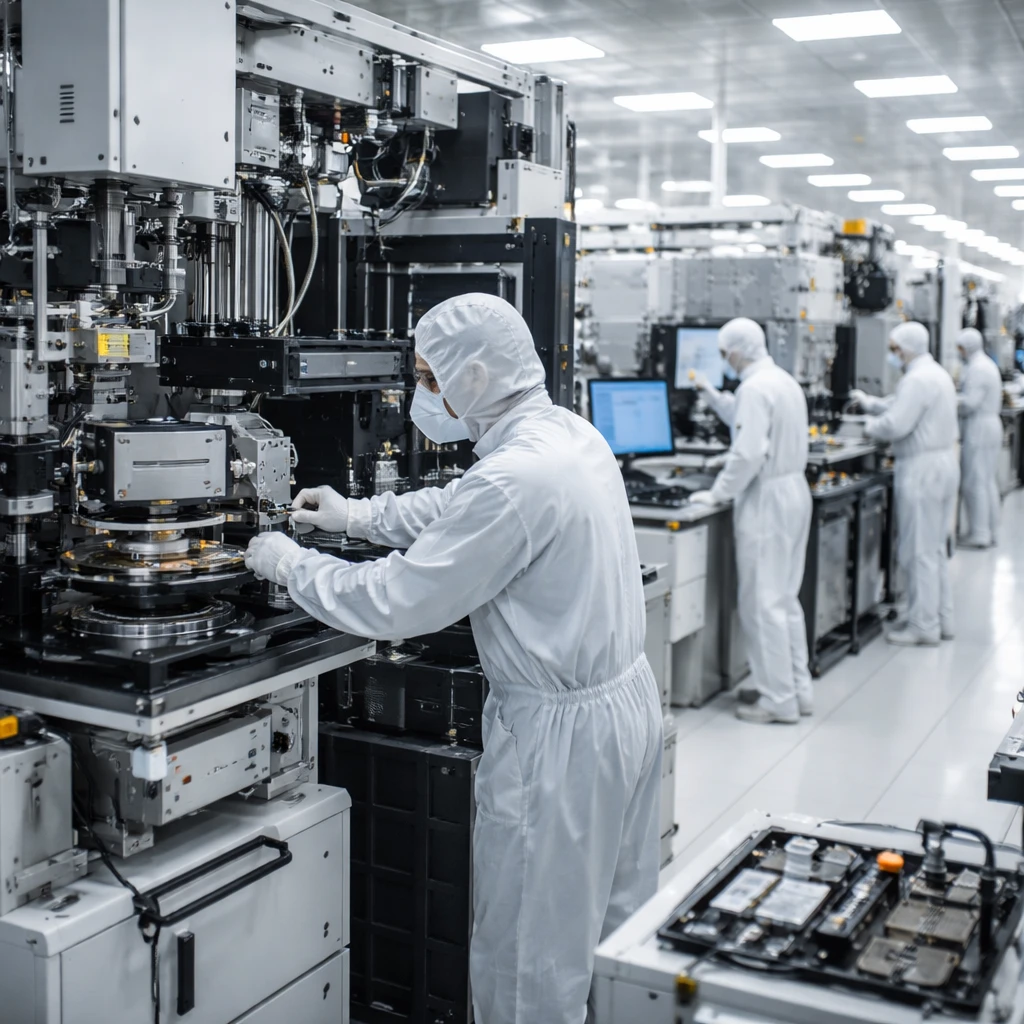
Two senior officials from the Donald Trump administration told reporters on Thursday that Semiconductor Manufacturing International Corp (SMIC) has supplied chipmaking tools to Iran’s military, with shipments beginning about a year ago and no clear indication that such transfers have stopped.
According to the officials, who spoke on condition of anonymity, the cooperation between SMIC and Iran nearly certainly included technical training on semiconductor technology, a step that could extend beyond the simple transfer of equipment.
The officials said it remains uncertain whether the equipment contained components originating in the United States. If U.S.-origin parts were present in the tools, those shipments could constitute a breach of U.S. sanctions on Iran.
SMIC, identified as China’s largest chipmaker, has been subject to U.S. restrictions since 2020 over alleged links to the Chinese military. The company disputes those allegations. Chinese authorities have stated that they engage in normal trade with Iran.
Context and implications
The officials' account highlights two overlapping issues in play: first, the movement of advanced manufacturing equipment into a military context; and second, the legal exposure that could arise if U.S.-origin components were part of those transfers. The officials did not provide details on the specific models of equipment, the locations of deliveries, or the precise nature of the training reported.
The allegations were reported as diplomatic messaging from Beijing emphasized calls for dialogue and peace talks, with Foreign Minister Wang Yi urging negotiations while avoiding taking sides in the conflict. The officials' statements, and the response from Chinese authorities, leave open several practical and legal questions about the composition of the equipment and the chain of supply.
What is clear from the officials' remarks
- SMIC supplied chipmaking equipment to Iran’s military, with shipments beginning about a year ago.
- There was no indication from the officials that the transfers had stopped.
- Cooperation likely included technical training on semiconductor technology.
- It is unclear whether any U.S.-origin components were included in the equipment, a factor that could affect sanctions compliance.