
U.S. policymakers are recalibrating their approach to securing supply chains for semiconductors and critical minerals by converting grant-style support into direct ownership stakes in private firms and by seeking coordinated trade measures with allies. Officials say the measures are intended to reduce dependence on cheaper foreign supply and to unlock private investment in U.S.-based production and processing.
Vice President JD Vance on Wednesday outlined a plan to align allied countries around a preferential trade arrangement for critical minerals, including a proposal for coordinated price floors. The measure is being advanced as part of a broader administration effort to exert more control over private-sector activity in strategic sectors by guaranteeing minimum prices through agreed trade rules.
In tandem with those diplomatic steps, the administration has launched a strategic mineral stockpile and has begun taking equity positions in a number of projects and companies tied to critical minerals and semiconductor supply chains. The new stockpile, named Project Vault, received $10 billion in seed capital from the U.S. Export-Import Bank (EXIM), plus another $2 billion from private investors, according to administration disclosures.
How the ownership approach is being applied
The administration is shifting from traditional subsidy models toward an ownership model in several cases. Below is a summary of the companies and projects that have been tied to the strategic investment push and the stakes or actions described by officials.
-
USA Rare Earth - Stake: A 10% stake was being taken in the miner as part of a combined debt-and-equity package. Details provided by officials indicate USA Rare Earth is expected to build an integrated rare earth-to-magnet production chain in the United States supported by $1.6 billion in proposed CHIPS Act funding. The move is intended to expand U.S. rare earth processing capacity and strengthen domestic supply chains for critical minerals.
-
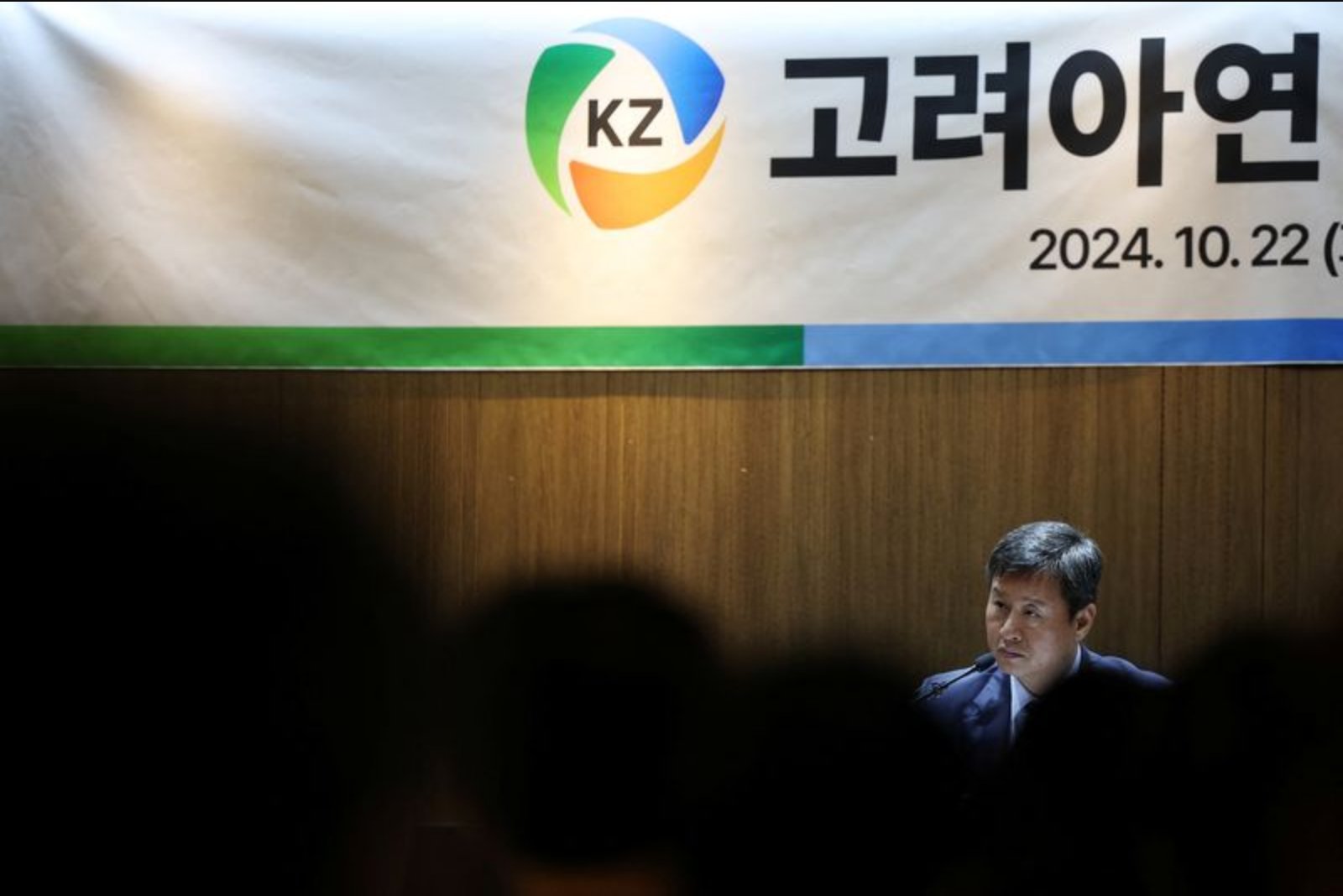
Korea Zinc - Stake acquired: Around 10%. The company will construct a $7.4 billion smelter in Tennessee through a joint venture with U.S. partners. Reportedly, the U.S. Department of War will hold a 40% stake in the joint venture, while the Commerce Department will provide $210 million in subsidies under the CHIPS Act. Korea Zinc is set to issue $1.9 billion in new shares to the joint venture and strategic U.S. investors, equating to roughly a 10% ownership interest. The remaining $5.5 billion in project funding will be supplied via $4.7 billion in U.S.-backed loans and additional financing. Construction is planned to begin in 2026 with phased operations starting in 2029. The administration frames the project as a way to bolster U.S. supply chains in the face of Chinese dominance in critical mineral production and recent export restrictions on antimony and germanium.
-
Trilogy Metals - Stake acquired: 10%, with warrants that could purchase an additional 7.5%. The investment is connected to the Upper Kobuk Mineral Projects (UKMP) in Alaska, a joint venture between Trilogy Metals and Australian miner South32. The White House is reported to invest approximately $35.6 million to support development of critical mineral resources in the Ambler mining district. Separately, an executive order was signed directing the administration to permit construction of an access road to Ambler. Officials emphasize the district's copper, zinc and lead deposits as strategic domestic resources.
-
Critical Metals - Stake under discussion: About 8%. Administration discussions have considered taking a stake in Critical Metals, which would provide a direct U.S. interest in the Tanbreez rare earths deposit in Greenland. The project is the largest rare earths undertaking in Greenland, the Arctic territory noted by officials in related discussions.
-
Lithium Americas - Stake acquired: 5% in the parent company plus 5% in the Thacker Pass joint venture with General Motors. The Thacker Pass lithium mine in Nevada is presented by officials as a key element in building a domestic lithium supply chain, supporting broader efforts to increase U.S. domestic production of lithium for batteries.
-
MP Materials - Stake acquired: About 15%. MP Materials operates the Mountain Pass rare earth mine in California, the only U.S. rare earths mine, and is pursuing expanded domestic processing and magnet production. The Department of Defense is set to become the largest shareholder in MP Materials, marking it as the most high-profile U.S. investment disclosed to date in the critical minerals sector.
-
Intel Corp - Stake acquired: 9.9%. The reported investment into Intel is described as bolstering U.S. supply chain security and supporting the company’s plans to build and expand advanced domestic manufacturing capacity.
Policy goals and market mechanics
Administration officials say the combination of equity stakes, subsidized loans and coordinated international trade rules, such as price floors, is intended to reduce reliance on lower-cost foreign producers and to create an investment environment where domestic projects can attract private capital. By guaranteeing minimum prices through coordination with allies, officials aim to make U.S.-based mining and processing projects more financially viable compared with cheaper imports.
The strategic stockpile and equity purchases represent a more interventionist posture in strategic sectors than traditional grant programs, signaling a willingness to hold long-term stakes in private companies to secure supply chains that are judged essential for national security and industrial policy.
Summary
The administration is moving to convert certain federal supports into direct equity positions and to pursue coordinated price mechanisms with allied countries to revive and secure domestic production of critical minerals and semiconductors. Actions include Project Vault, an EXIM-backed strategic stockpile, and stakes or negotiations involving a set of companies spanning rare earths, lithium and semiconductor manufacturing.