
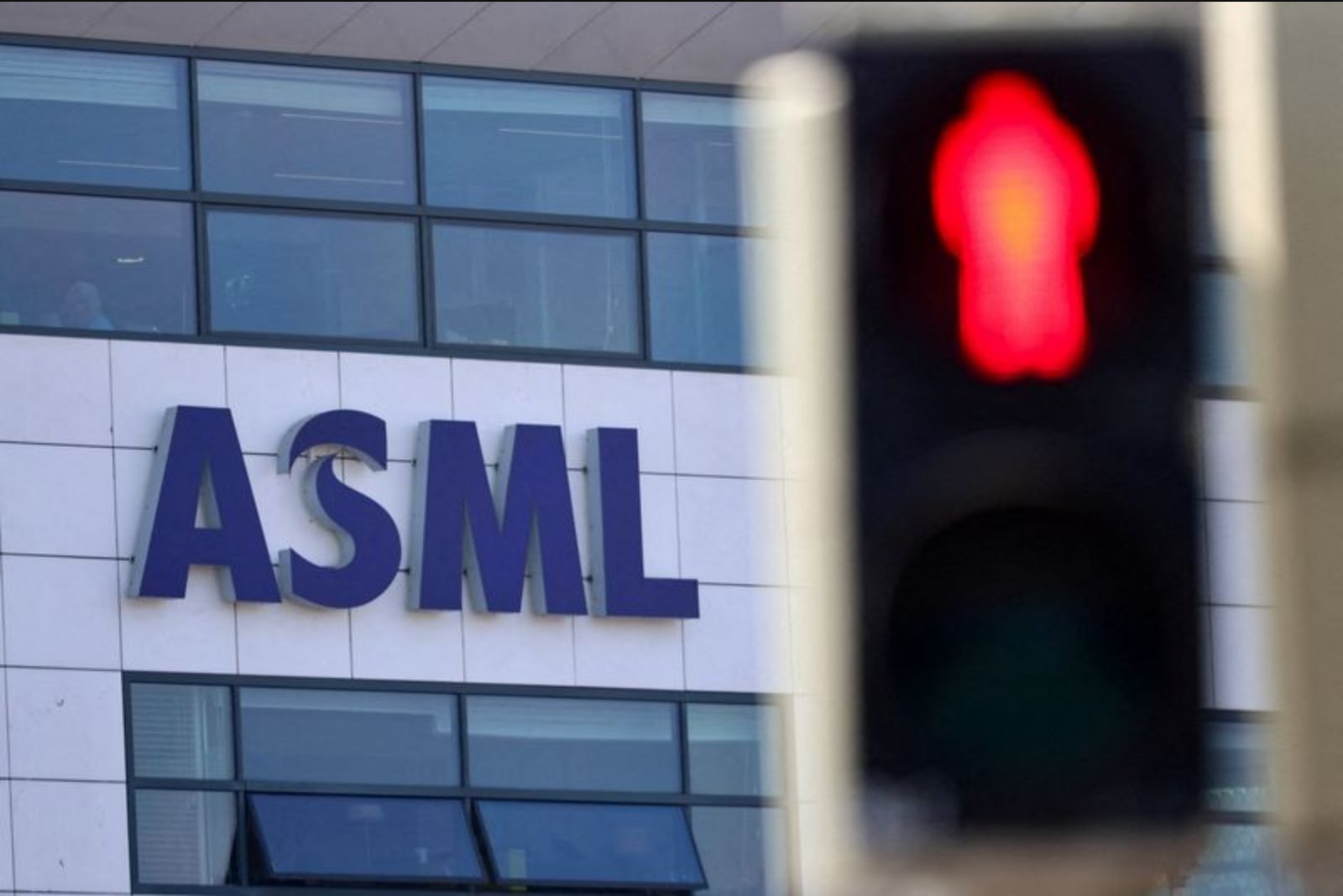
A cross-party team of United States lawmakers has introduced draft legislation designed to tighten controls on exports of chipmaking equipment to China, potentially altering the commercial landscape for major equipment suppliers and the country’s top semiconductor manufacturers.
The draft MATCH Act, announced late on Thursday, is framed by its sponsors as a measure to preserve the United States’ lead in artificial intelligence by preventing Chinese firms from acquiring manufacturing tools they cannot produce domestically. Lawmakers said the bill also seeks to ensure that firms based in nations allied with the United States would be subject to the same restrictions as U.S. companies.
Previous rounds of U.S. export restrictions on semiconductor-related technologies were driven by administrations rather than by Congress. The MATCH Act differs by coming from a congressional initiative and by focusing lawmakers’ attention on specific technologies where China relies on imports.
Lawmakers highlighted immersion deep ultraviolet (DUV) lithography - a process used to create the circuitry on chips - as an area of concern. That segment of the equipment market is led by the Netherlands’ ASML, with a smaller competitor in Japan’s Nikon. According to the draft, the law would bar the sale or servicing of such equipment to major Chinese chipmakers named in the text: SMIC, Hua Hong, Huawei, CXMT and YMTC.
ASML declined to comment on Friday. Existing export controls, coordinated with the United States and implemented by the Dutch government, already prevent ASML from sending its most advanced systems to China. Nevertheless, ASML continues to sell older DUV tool lines to Chinese foundries and to leading South Korean and Taiwanese firms operating in China - sales that the proposed statute would prohibit.
The company has previously identified China as an important market: in 2025 China was ASML’s largest market, representing 33% of sales, and that share was forecast to fall to 20% this year, the company said in January.
Commenting on the legislative draft, a spokesperson for the Netherlands’ foreign ministry - which oversees trade and export policy - said: "It is not our place to comment on draft legislation proposed by lawmakers from other countries."
The draft law represents a shift from executive-led export curbs toward potential congressional action. If enacted, it would expand the scope of restrictions to cover the sale and servicing of certain previously permitted equipment, tightening controls on a market segment that has significant implications for chip production capability.
Separately, industry-focused evaluation tools have been used by some market participants to assess companies like ASML. One such service states it evaluates thousands of firms using more than 100 financial metrics and cites historical stock winners as examples of its approach. The draft legislation and related market reactions will inform assessments of companies whose revenue streams are exposed to sales into China.
Impacted sectors: semiconductors, electronic equipment manufacturing, international trade and export controls.