
Stock Markets February 4, 2026

U.S. Lawmakers and Industry Leaders Press Congress to Move on Self-Driving Vehicle Bill

Waymo, Tesla and lawmakers warn of competitive risk from China as Senate Commerce panel holds hearing on robotaxi deployment

By Sofia Navarro GOOGL
U.S. Lawmakers and Industry Leaders Press Congress to Move on Self-Driving Vehicle Bill
GOOGL

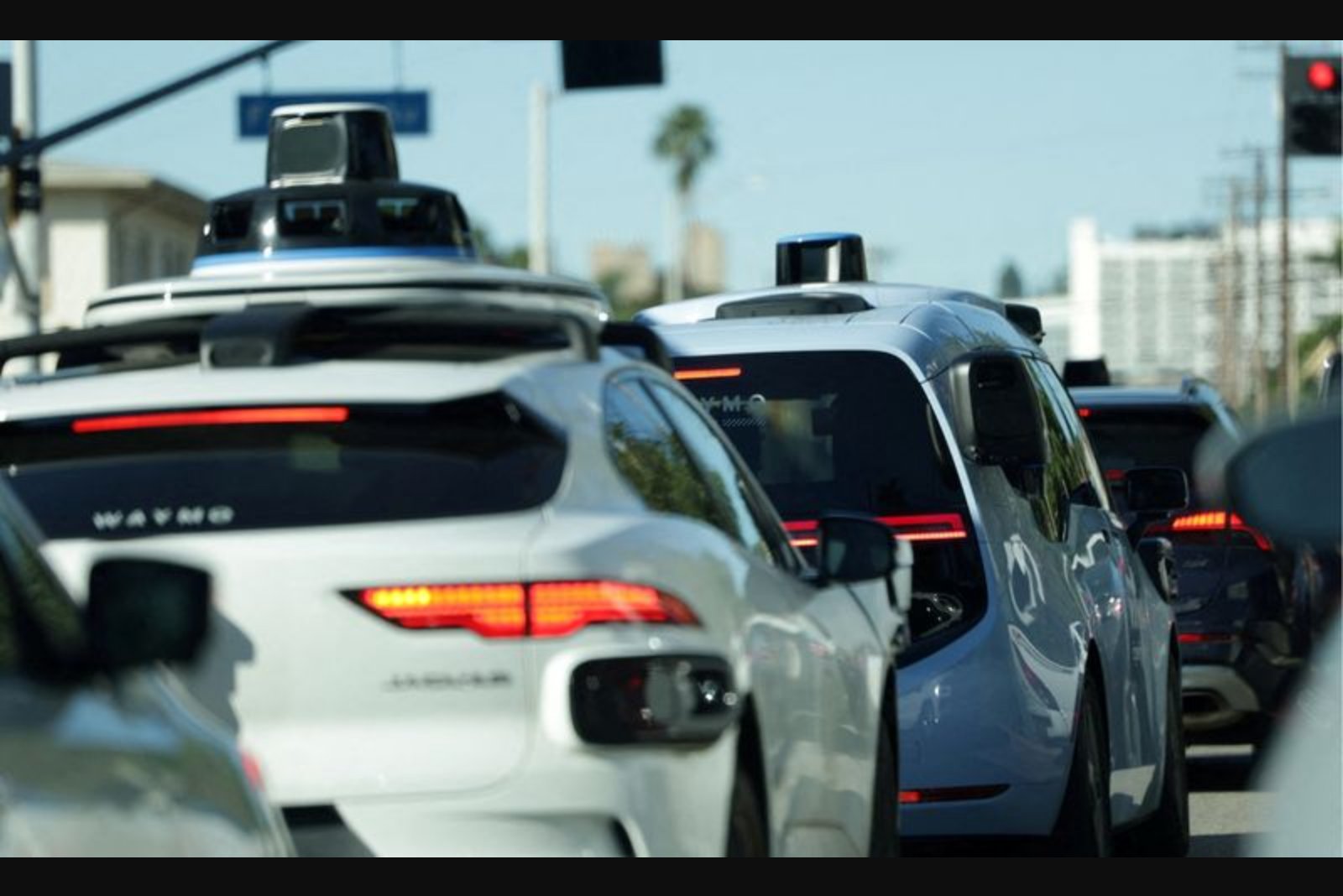
Lawmakers and representatives from Waymo and Tesla are urging Congress to advance long-stalled legislation designed to accelerate deployment of self-driving vehicles. Testimony before the Senate Commerce Committee emphasizes concerns that China could set global standards and gain manufacturing dominance if the United States does not lead in autonomous vehicle development.

Key Points

  • Senate Commerce Committee is holding a hearing on Wednesday to consider measures to increase deployment of robotaxis, with testimony from Waymo, Tesla and others.
  • Lawmakers and industry representatives warn that China could shape global standards and dominate transportation manufacturing if the U.S. does not lead in autonomous vehicle development - a concern with implications for automotive and technology manufacturing sectors.
  • Waymo, an Alphabet unit, testified that U.S. leadership in autonomous vehicles is under direct threat and described the market as a trillion-dollar industry comparable in strategic importance to flight and space travel - relevant to investors in mobility, automotive supply chains, and technology platforms.

WASHINGTON, Feb 4 - Lawmakers together with executives from Waymo and Tesla will press Congress to take action on legislation intended to speed the rollout of self-driving vehicles, highlighting a perceived strategic risk from China. The U.S. Senate Commerce Committee is convening a hearing Wednesday focused on measures to promote deployment of robotaxis, with testimony scheduled from Waymo, Tesla and other stakeholders. The proposed legislation has been under consideration for roughly a decade.


Democratic Senator Gary Peters warned ahead of the hearing that if the United States fails to lead in autonomous vehicle development, other countries - particularly China - could determine the technology, standards, and global market. Peters added that China could become the dominant manufacturer of transportation in the 21st century.

Waymo, which operates as a unit of Alphabet, will also urge lawmakers to pass legislation to advance self-driving vehicles. In testimony seen by Reuters, Waymo states that U.S. leadership in the autonomous vehicle sector is under direct threat. The company characterizes the situation as a global race with Chinese autonomous vehicle companies for control of the future of autonomous driving, calling the market a trillion-dollar industry with strategic importance comparable to flight and space travel.

Alongside those policy discussions, promotional content in the original reporting asked readers a practical investment question: "Should you be buying GOOGL right now?" That material described a service called ProPicks AI as evaluating GOOGL and thousands of other companies using more than 100 financial metrics. The promotional text noted that the AI-driven strategy aims to generate stock ideas by assessing fundamentals, momentum, and valuation, and cited past winners including Super Micro Computer with a gain of 185 percent and AppLovin with a gain of 157 percent.

The hearing and the renewed calls for legislation come as participants emphasize both the economic scale of the autonomous vehicle market and the strategic implications of which nation sets technical standards and captures manufacturing scale. The debate centers on how federal policy can accelerate deployment while positioning the U.S. industry to remain globally competitive.

Risks

  • Competition risk - If the U.S. does not lead AV development, China could set technology standards and gain manufacturing dominance, affecting the automotive and transportation-manufacturing sectors.
  • Legislative delay - The legislation to accelerate autonomous vehicle deployment has been under consideration for a decade, and continued delays could slow commercialization and deployment efforts in the AV industry.
  • Market concentration and standard-setting uncertainty - The potential for other nations to shape the technology and standards introduces regulatory and market uncertainty for companies in autonomous driving and related technology markets.

More from Stock Markets

U.N. Sounds the Alarm on Liquidity as Unpaid Dues and Budget Rule Threaten Operations Feb 4, 2026 Tel Aviv benchmark edges to record close as banking and financials lead gains Feb 4, 2026 Oslo equities finish higher as OBX posts fresh record; healthcare, pharma and utilities lead gains Feb 4, 2026 AI Plugin Launch Sparks Fresh Selloff in U.S. Software Stocks Feb 4, 2026 Bernstein Names Top Hotel, Cruise and OTA Stocks; Marriott, Royal Caribbean and Airbnb Lead Picks Feb 4, 2026