
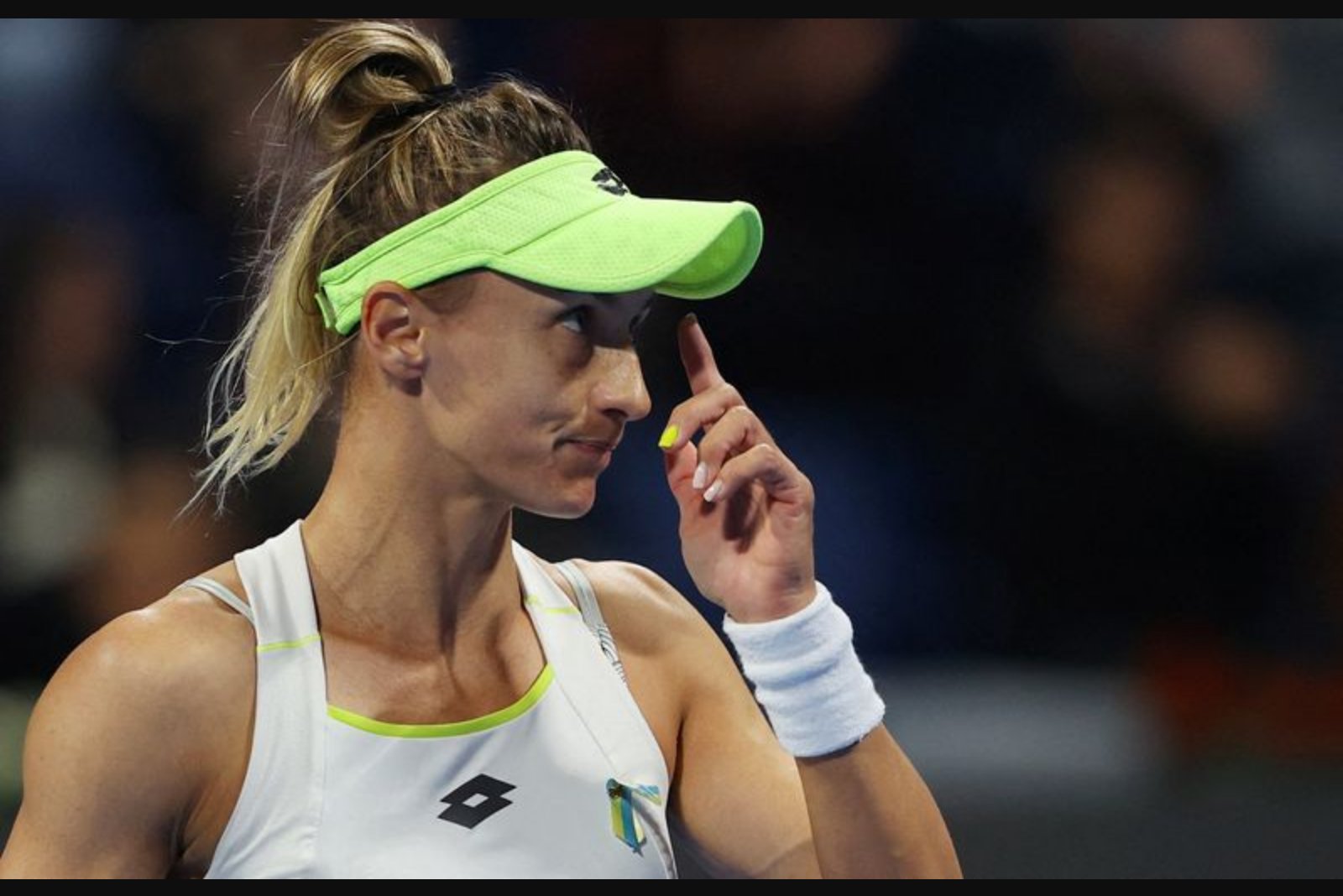
U.S. federal court action brought by Ukrainian tennis professional Lesia Tsurenko against the WTA Tour and its ex-chief executive over the tour's response to Russian and Belarusian players was dismissed by a Manhattan judge.
Tsurenko, a former top-25 player, alleged that the WTA failed to honor a promise by then-CEO Steve Simon to bar Russian and Belarusian players who supported the war, and to prevent "conduct detrimental" to both the tour and the sport's integrity. Her complaint cited specific incidents, including an instance where a Russian player wore a patch tied to a sanctioned Russian oil company. The plaintiff also claimed that Simon told her it was "OK" for other athletes to express support for the war.
The suit said that the environment created by those actions led to acute distress for Tsurenko, including a claimed "panic attack" that prompted her to withdraw from a match against Belarusian player Aryna Sabalenka at the 2023 BNP Paribas Open in Indian Wells, California. Sabalenka is now ranked as the world No. 1 woman.
In a decision issued on Wednesday, U.S. District Judge Naomi Reice Buchwald concluded that judicial intervention was not appropriate on the matters raised. The court held that the WTA is the entity best situated to decide what constitutes detrimental conduct within professional tennis, and that Tsurenko did not demonstrate the tour owed duties requiring it to ban players or to protect competitors from emotional harm.
"When courts have found that sports associations owe a duty to their players, those duties relate to ensuring players' physical safety, not their emotional wellbeing," Buchwald wrote.
The judge also assessed the WTA's actions following the invasion and found they reflected "reasoned decision making," noting among the measures taken the prohibition on players competing under the national flags of Russia and Belarus.
Tsurenko had sought monetary damages alleging breach of contract and negligence, including claims for infliction of emotional distress. Her attorneys did not immediately respond to requests for comment on Thursday. Similarly, lawyers for the WTA did not immediately reply to requests for comment.
In asking the court to throw out the suit, the defendants pointed to their public condemnation of Russia's actions and to steps they said were taken to assist Ukrainian players. The WTA's position, aligned with many other sports organizations, was that individual competitors should not be penalized solely for the actions of their national governments.
Tsurenko has been vocal about the difficulty of competing on tour since the 2022 invasion. The court's ruling leaves intact the WTA's internal discretion to set and enforce standards of conduct while narrowing the types of legal obligations that judges will recognize sports governing bodies owe to players.
Legal observers and participants in professional sport will watch whether the decision influences future litigation over emotional distress claims tied to organizational conduct and political controversy. For now, the ruling affirms judicial restraint in substituting court judgment for the regulatory choices of a sports association.