
Overview
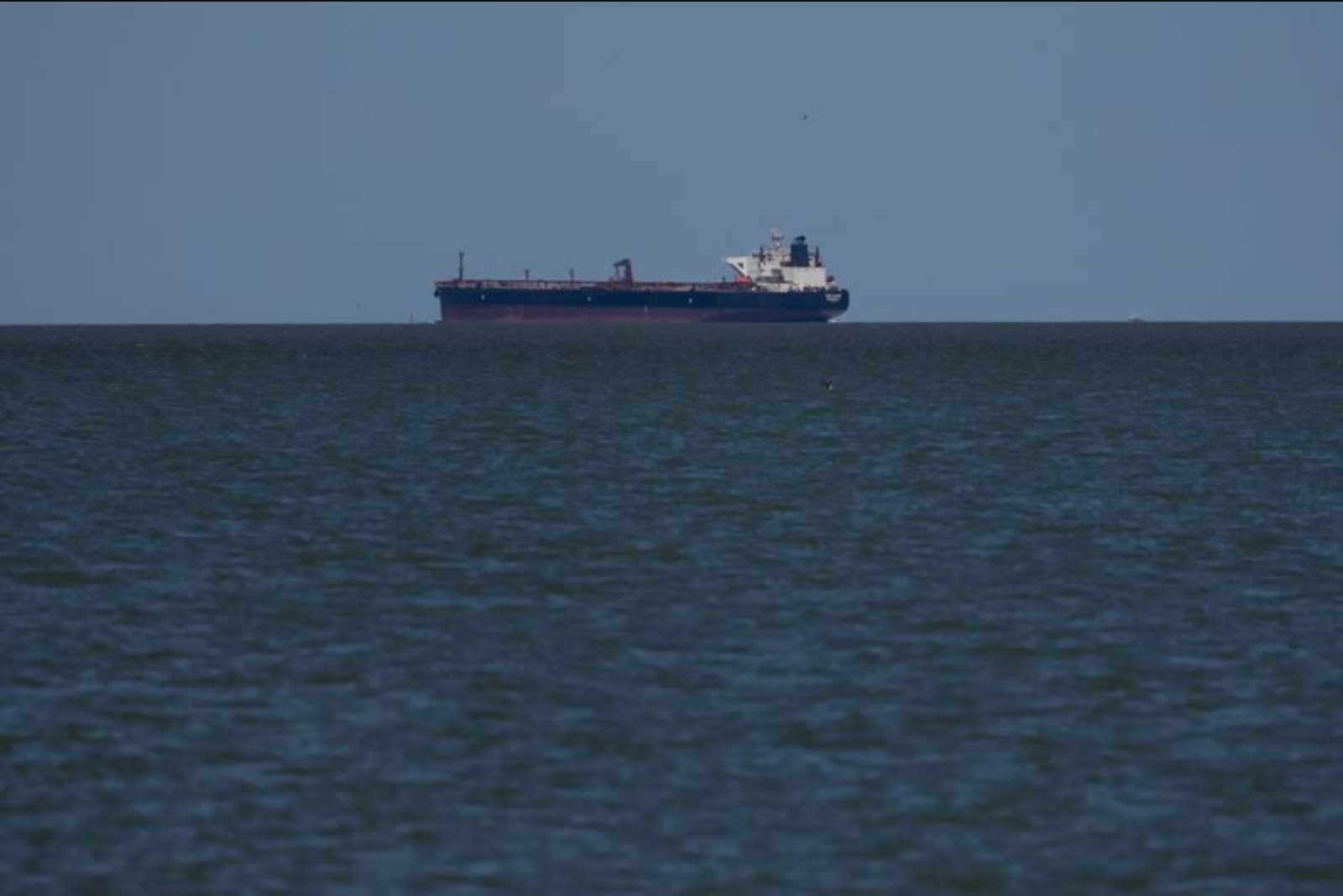
Tanker capacity available for loading on the U.S. Gulf Coast has contracted significantly in recent weeks as refiners in Asia and Europe cut off from Middle Eastern barrels look to replace lost supply. Shipping analysts and traders report that the disruption - driven by stalled tanker movements through the Strait of Hormuz amid the Iran war - has led buyers to source oil and fuel from the United States, Brazil and West Africa, intensifying demand for vessels in the Gulf region.
Price dynamics and freight
Part of the rush to secure U.S. cargoes is linked to wider discounts in U.S. crude compared with the global Brent benchmark. U.S. West Texas Intermediate crude futures for June delivery were trading at an over $10 discount to June Brent futures on Wednesday. That price gap has made U.S. barrels more attractive to importers, which in turn has increased demand for tankers available on the U.S. Gulf Coast.
Aristidis Alafouzos, chief executive officer of Okeanis ECO Tankers, said the spike in chartering activity has produced unprecedented freight-rate moves. "The resulting surge in freight rates is unprecedented, with Suezmaxes and Aframaxes earning upwards of $300,000, compared to an average $60,000 over the past five months," he said, underscoring how sharply earnings have risen.
Measured declines in fleet availability
Data from The Signal Group, a shipping analytics platform, indicate net vessel availability on the U.S. Gulf Coast has fallen 41% over the past month. The availability of Very Large Crude Carriers (VLCCs) - vessels that can carry roughly 2 million barrels - fell to 10 ships last week, down from 20 on March 1.
Smaller tanker classes have tightened as well. The Signal Group's figures show Suezmax (about 1 million-barrel capacity) and Aframax (about 750,000-barrel capacity) supply has dropped sharply. Since the end of January, Suezmax availability along the U.S. Gulf Coast has declined by roughly 40-45%, while Aframax availability has fallen around 70% from a mid-February peak, according to Maria Bertzeletou, senior market analyst at The Signal Group.
Fixture activity and destination patterns
The tightening in U.S. Gulf Coast vessel supply has coincided with a clear uptick in fixtures on the West-to-East route. The Signal Group recorded at least 10 vessels fixed to carry oil or fuel from the U.S. Gulf Coast to Asian markets over the last seven days, with destinations mainly including Pakistan, Korea and South China.
Market observers describe a sequence of cargo movements that has amplified freight pressure: large VLCCs loaded for Asia followed by smaller Suezmax and Aframax shipments serving European demand. "The movement of cargoes from the West to the East, starting with VLCCs to Asia and then smaller sizes catering to European demand, gave birth to an unprecedented surge in freight rates," said Matias Togni, oil and shipping analyst at NextBarrel.
Economic implications
Skyrocketing freight rates raise the cost of transporting oil and refined products globally. Analysts cited in the reporting warn that higher shipping costs could be passed on to consumers through higher prices for everyday goods, posing a potential drag on economic activity if transport cost increases propagate through supply chains.
Context and limits
The current tightness reflects chartering behavior by refiners and traders responding to disrupted Middle Eastern flows and relative price incentives for U.S. crude. The available data and commentary cited above establish recent changes in vessel availability, freight earnings and fixture patterns without projecting future moves.
Additional note
Market participants continue to track vessel availability and freight-rate changes closely as they reassess sourcing and shipping strategies amid shifting regional flows.