
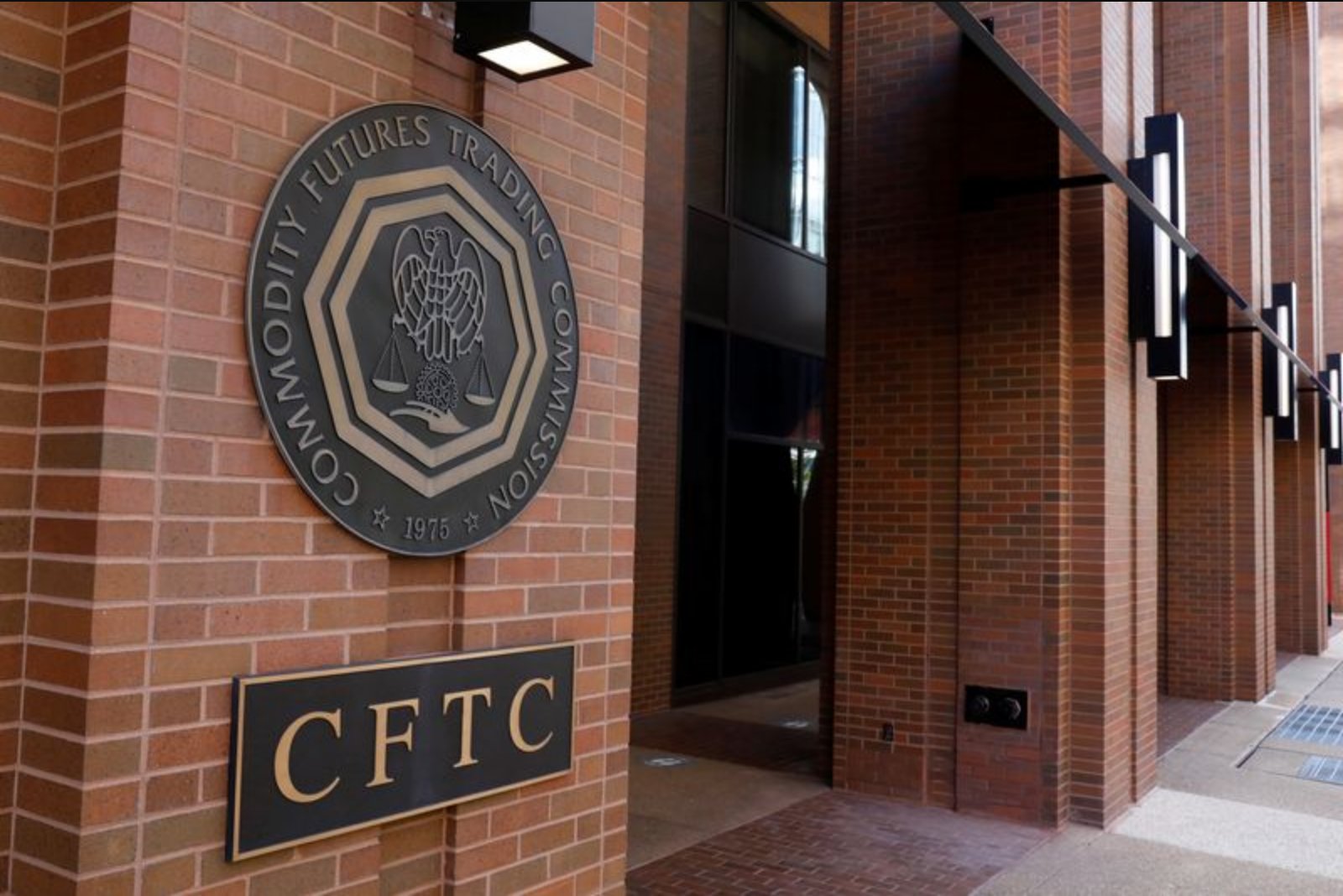
The federal government filed lawsuits on April 2 seeking to stop Arizona, Connecticut and Illinois from regulating prediction markets, saying state steps to police so-called event contracts run afoul of federal authority. The complaints contend that efforts by state gaming regulators to treat platforms that offer event-based trading as subject to state gambling laws are unlawful and undermine the Commodity Futures Trading Commission's exclusive role in overseeing national swaps markets.
According to the filings, attempts by state authorities to force platforms such as Kalshi, Polymarket, Crypto.com and Robinhood to cease operations or obtain state gaming licenses followed cease-and-desist letters issued to designated contract markets and to futures commission merchants. The government said those state enforcement actions were based on findings that event contracts may contravene state prohibitions on unlicensed sports wagering.
The suits represent the first occasion on which the CFTC has sought court orders to prevent state gaming regulators from policing operators of prediction markets. In federal filings the government objected to the letters sent to designated contract markets including Kalshi, Polymarket and Crypto.com, and to futures commission merchants including Robinhood, arguing the letters exceeded state authority.
In a statement quoted in the filings, CFTC Chairman Michael Selig said the regulator "will continue to safeguard its exclusive regulatory authority over these markets and defend market participants against overzealous state regulators."
Who is named and what they are accused of
The defendants in the lawsuits include each state’s governor and attorney general - Katie Hobbs and Kris Mayes in Arizona, Ned Lamont and William Tong in Connecticut, and JB Pritzker and Kwame Raoul in Illinois - as well as state gaming regulators. The filings note that all of those named officials are Democrats and also point out that the Trump administration initiating the suits is Republican-led. The complaints assert that Connecticut and Illinois "misapprehend" the character of event contracts, which the federal government says puts those states in a position to inappropriately regulate and license platforms offering such contracts.
State reactions to the litigation have been mixed. Connecticut Attorney General William Tong said in a statement that the administration is "recycling industry arguments that have been rejected in district courts across the country," and that Connecticut will "aggressively defend" its consumer protection laws. Illinois' attorney general's office said it was reviewing the lawsuit. Officials in Arizona did not have immediate public comment cited in the filings.
Legal context and recent enforcement steps
Event contracts allow participants to trade based on predicted outcomes of discrete events such as sports results or elections. While most U.S. states and the District of Columbia have legalized sports betting, many states and tribal gaming authorities have sought to exclude prediction markets on the grounds that they may violate laws prohibiting wagers by people under 21.
Arizona also has pursued criminal charges against Kalshi. The state filed its criminal case on March 17, accusing the platform of enabling illegal gambling and of unlawfully allowing people to bet on elections. In response, Kalshi said it is not a gambling operation and argued that it should not be subject to a patchwork of inconsistent state laws.
Each of the federal complaints asks the court to halt what the government describes as ongoing efforts by the named defendants to undermine the uniform application of federal law. The suits argue that permitting states to regulate event contracts would conflict with the U.S. Constitution by intruding on the CFTC's exclusive regulatory domain.
Additional note
The reporting also included a separate investor-focused mention of the publicly traded ticker HOOD in an ancillary advisory snippet.