
U.S. stock futures were trading higher early Monday as markets digested an extended U.S.-Israeli campaign targeting Iran and the economic consequences of restricted oil flows through a crucial shipping lane.
By 07:07 ET (11:07 GMT), futures tied to the Dow had climbed 225 points, or 0.5%, S&P 500 futures were up 46 points, or 0.7%, and Nasdaq 100 futures had risen 198 points, or 0.8%.
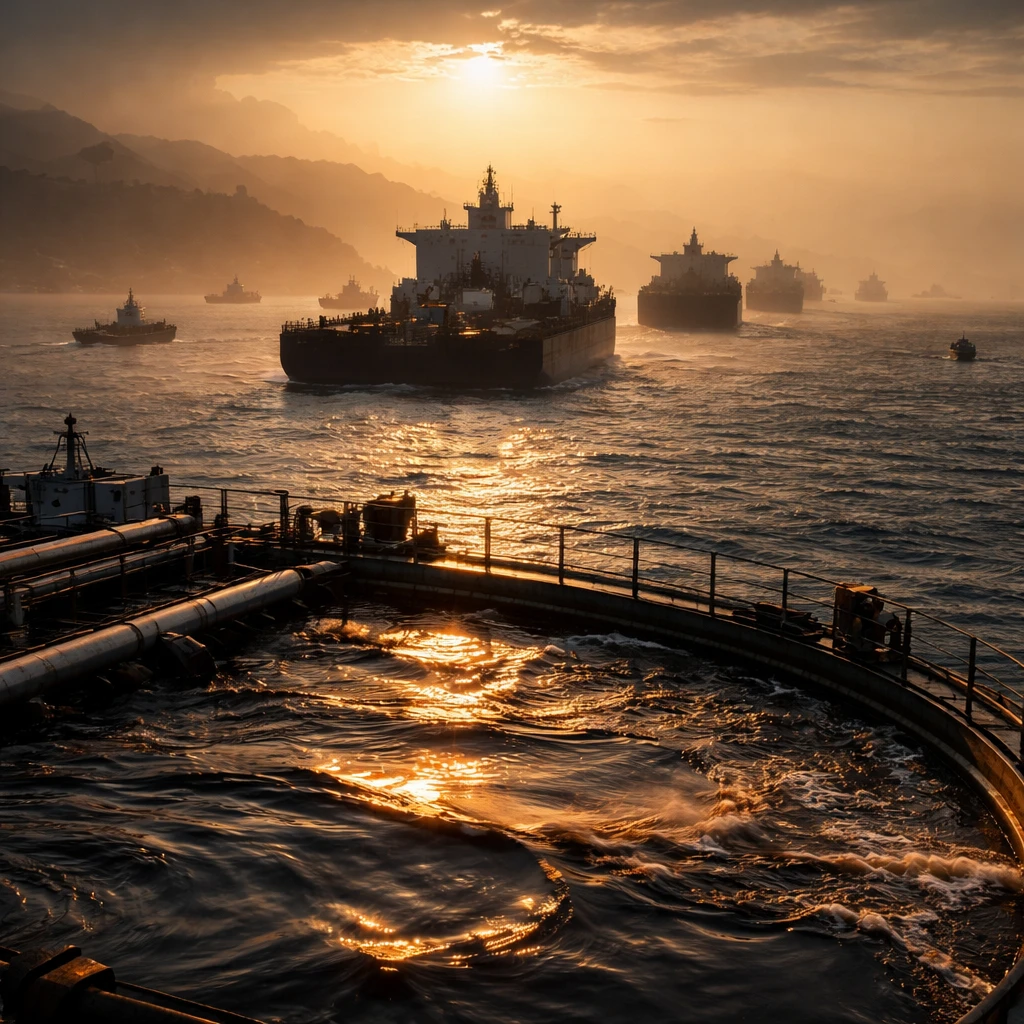
Last week saw the main Wall Street averages move lower, pressured by a sharp jump in oil prices amid mounting concerns about global supply. Iran has effectively shuttered the Strait of Hormuz - the waterway south of Iran through which roughly a fifth of the world’s tanker traffic passes - tightening energy flows and sowing fears for the global economy.
U.S. policy actions aimed at easing supply worries have included the relaxation of some sanctions on Russian oil, yet crude prices have continued to trend upward. Higher oil has pushed up gasoline-pump prices, a component of consumer inflation measures and a politically sensitive cost for American households as attention turns toward the 2026 midterm elections.
President Donald Trump has publicly appealed to multiple countries to assist Washington in reopening the Strait of Hormuz. Speaking to reporters aboard Air Force One on Sunday, he did not indicate whether any countries had agreed to his request. In remarks to the Financial Times, he also urged North Atlantic Treaty Organization members to participate in reopening the waterway, warning that "it will be a very bad for the future of NATO" if member nations fail to respond or decline to help.
Trump singled out China as a nation that could exert influence over the situation, suggesting he might cancel a planned summit with Chinese President Xi Jinping in April if Beijing does not act to help unblock the strait. Reporting has noted that some tankers bound for China have been permitted to transit the strait while other vessels have been struck by projectiles.
The European Union's top diplomat has been cited as saying the bloc is considering options to resume shipping through the Strait of Hormuz. By restricting the passage of most tankers through this narrow chokepoint, Tehran has effectively denied major importers in Europe and Asia access to important energy supplies.
On the commodity front, Brent crude slipped from earlier gains in uneven trading but remained above the $100-per-barrel threshold. U.S. West Texas Intermediate crude futures were trading lower by 1.0% at $95.91 a barrel.
Beyond the geopolitical developments, attention in markets turned to Nvidia, where CEO Jensen Huang will headline the company’s annual developer conference starting Monday. Investors are closely watching any new product announcements as Nvidia seeks to defend its lead in artificial intelligence semiconductors and respond to growing rivalry.
Nvidia faces intensifying competition from chipmakers including Advanced Micro Devices and Intel, as well as from large technology firms such as Alphabet that are pursuing their own AI-optimized processors. The rise of "inference" workloads in AI - where models perform tasks on behalf of users - represents a particular challenge because some inference models run on different chip architectures than Nvidia’s incumbent processors, and several of Nvidia’s customers have indicated plans to develop their own AI chips.
In December, Nvidia spent $17 billion to acquire Groq, a startup focused on low-cost, rapid inference workloads. Last month, Mr. Huang said he would demonstrate how Groq’s technology can integrate with Nvidia’s CUDA software ecosystem.
In addition, Nvidia has invested roughly $2 billion in Lumentum and Coherent, firms that make lasers capable of using beams of light to move data quickly between chips. While optical links could accelerate inter-chip communications for Nvidia’s processors, these laser technologies have not yet been produced at the volumes of Nvidia’s flagship chips.
Analysts at BofA Securities said they expect Nvidia to unveil a broader AI product set at the conference.
Other technology sector headlines included a Reuters report that Meta is contemplating substantial layoffs potentially affecting more than a fifth of its workforce as the company ramps capital spending on AI infrastructure. Meta’s shares were up more than 3% in premarket trading by 05:18 ET.
The Reuters reporting cautioned that potential cuts have not been finalized and that no timeline has been set. According to the report, senior executives have told leaders to begin preparing plans to reduce staff as Meta seeks to offset large AI infrastructure investments and achieve efficiencies through AI-enabled workflows.
Investors continue to balance the macro effects of higher energy prices and the potential for tighter supplies against company-specific developments in the technology sector. The combination of elevated crude, shipping disruptions, and strategic moves by tech companies adds layers of uncertainty for market participants weighing growth, inflation, and corporate earnings prospects.
For traders and investors watching Nvidia in particular, tools such as fair-value assessment calculators are often used to evaluate whether shares represent attractive opportunities given the company’s capital moves and competitive dynamics.
As markets open this week, participants will track developments in the Middle East, any international responses to calls to reopen the Strait of Hormuz, crude price volatility, and announcements from tech companies that could influence sector leadership and capital allocation decisions.