
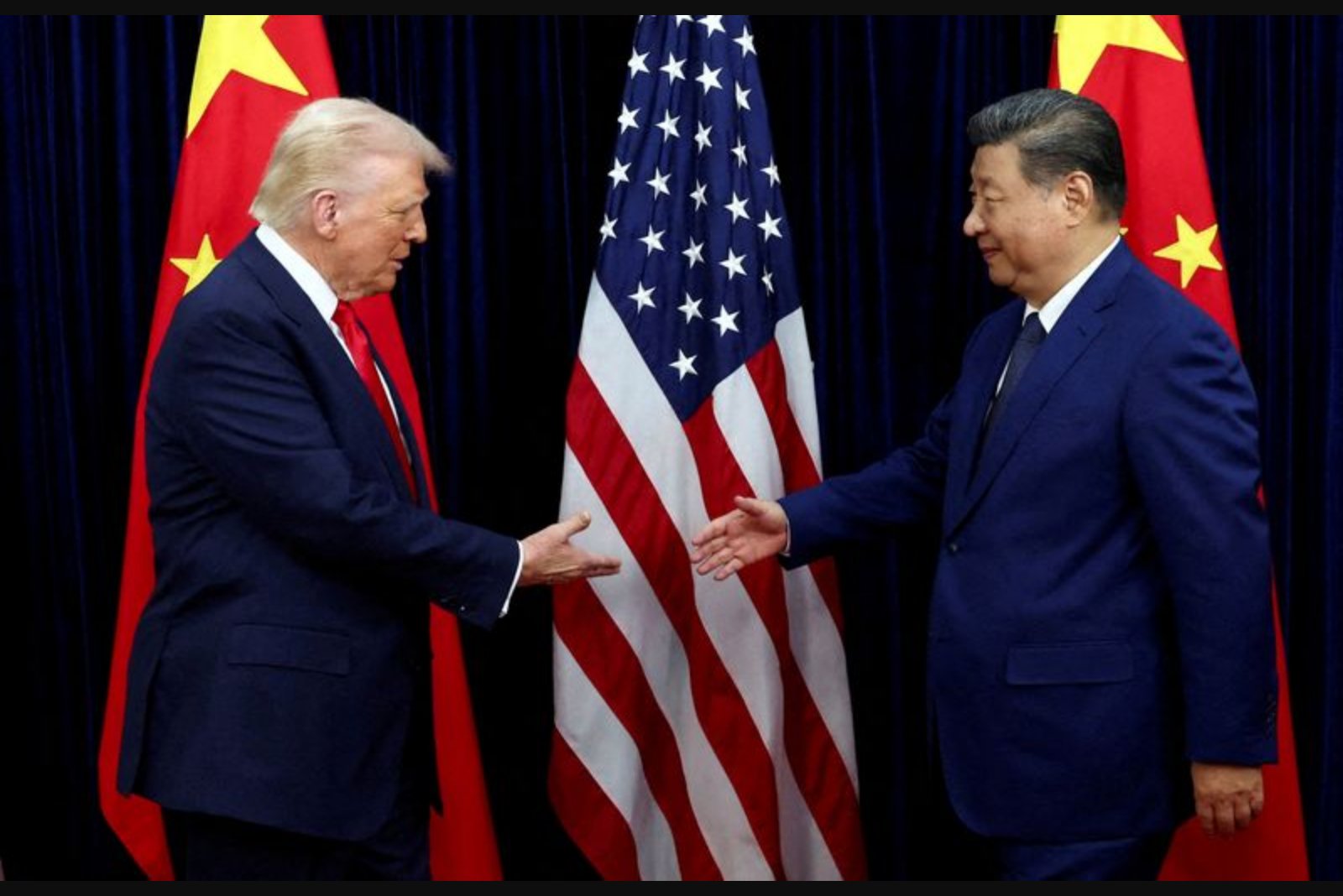
Senior executives from a cross-section of American corporations will travel with President Donald Trump to Beijing on May 14 and 15, aiming to translate face-to-face diplomacy into progress on concrete business issues with Chinese regulators, industry sources said.
The delegation includes leaders from companies such as Tesla, BlackRock, Illumina, Mastercard, Visa and Meta. Unlike the 2017 presidential visit, which was characterized by pageantry and headline trade agreements, this mission features a narrower roster of firms that are primarily seeking to resolve entrenched commercial and regulatory obstacles in China, according to people familiar with trip preparations who asked not to be named.
One strategic view shaping participation is that each company needs to bring a specific, achievable objective to the summit - what one source described as a "tangible ask" - that could yield a handshake, formal approval or clear path forward either during or after the meeting. Several attendees see the summit as a political opening that could accelerate ongoing regulatory conversations in Beijing rather than as a forum for wide-ranging formal announcements, another source said.
Geopolitical strategists note the trip also fits into Washington’s broader messaging on investment reciprocity and supply-chain reliability. Reva Goujon of the Rhodium Group described the delegation as focused more on securing stable inputs and reliable investment partnerships than on signing big-ticket trade accords. Goujon said that, aside from select purchase-linked engagements involving Boeing and Cargill, most participants are seeking progress on critical supply inputs and assurances that China will not weaponize those supply chains.
Several specific corporate priorities were cited by sources:
- Technology and investment scrutiny: Meta must respond to a recent directive from China’s national planner to unwind its acquisition of the AI startup Manus, as Beijing tightens oversight of U.S. investment into domestic startups that work on frontier technologies.
- Solar manufacturing and auto production: China is contemplating limits on exports of solar equipment to the United States, a move that could affect plans by U.S. companies such as Tesla to build or expand factories and boost domestic production. Reuters reported in March that Tesla had been seeking approval to purchase solar panel manufacturing equipment worth $2.9 billion from Chinese suppliers, including Suzhou Maxwell Technologies, and is pursuing export clearances from China’s commerce ministry.
- Autonomous driving approvals: Tesla is also seeking regulatory permission in China to expand rollout of its Full Self-Driving assistance system in the world’s largest car market. Elon Musk has acknowledged challenges created by technology controls in both countries but expressed optimism about gaining approval in China this year.
- Asset deals and scrutiny: BlackRock’s chief executive arrives as a consortium led by the asset manager faces Chinese scrutiny over a proposed $23-billion purchase of ports from Hong Kong-based CK Hutchison, including facilities close to the Panama Canal - a transaction that has drawn criticism amid U.S. efforts to reduce Chinese influence over that strategic waterway.
- Biotech and export controls: Illumina is part of the delegation as it works to re-establish operations in China after an export ban imposed last year was lifted. However, the company remains on China’s so-called "unreliable entity" list amid growing tensions over biotech security and supply-chain dependencies.
- Optical materials and export limits: Coherent, an optical components maker, is navigating Beijing’s export controls on indium and related materials used in high-performance optical chips.
- Payments market access: Payment networks Mastercard and Visa hope the summit will help improve their positions within China’s tightly regulated card-clearing market. One source said Mastercard expected U.S. government support for expanding its stake in a China joint venture that handles yuan-denominated clearing. Visa, which has not yet secured domestic bank-card clearing rights like Mastercard and American Express, is seeking to enter the market potentially with a 100% ownership stake in any future joint venture licence.
- Capital markets and brokerage licences: Citigroup’s CEO is part of the delegation as Citi continues to seek approval for a wholly foreign-owned securities brokerage licence in China after exiting a prior joint venture. Goldman Sachs also joins as Wall Street firms aim to deepen access to China’s capital markets.
The trip carries potential complications as well. Citi is involved in a legal dispute with Zhejiang-based Haiyue Energy Group, which sued Citibank over the freezing of a $27-million payment linked to U.S. sanctions. Meanwhile, concerns persist that Beijing may curb exports of key manufacturing equipment that U.S. firms rely upon.
Agricultural trade could see modest movement: officials from the two countries may reach an agreement to expand China’s purchases of grains and meat at the summit, though market observers do not expect major new soybean buys beyond those arranged in a deal made last October.
Some companies see the summit as an opportunity to move paused regulatory processes forward. Others are focused on securing specific approvals or clarifying policy on sensitive inputs and technologies. None of the companies named in this delegation supplied formal comments on their summit objectives when asked.
Separately, an investment tool promoted within the reporting environment posed a question about investing $2,000 in the stock ticker C and described how its algorithm evaluates Citigroup among many firms using more than 100 financial metrics. That tool cited past selections described as notable winners, though the companies and percentages referenced were presented as part of the tool’s promotional content.
Overall, the business contingent traveling with the U.S. president reflects a pragmatic approach: firms are pursuing narrow, actionable goals tied to regulatory permissions, market openings and supply-chain assurances rather than headline-grabbing trade packages. How much can be achieved will depend on the political will of both capitals and the degree to which companies can translate summit-level goodwill into binding regulatory outcomes.
Summary: A focused U.S. corporate delegation accompanying President Trump to Beijing on May 14-15 is seeking to resolve specific regulatory and market-access issues with Chinese authorities. Firms from sectors including technology, autos, finance and biotech aim for concrete outcomes such as approvals, investment clearances and supply-chain assurances rather than grand trade deals.