
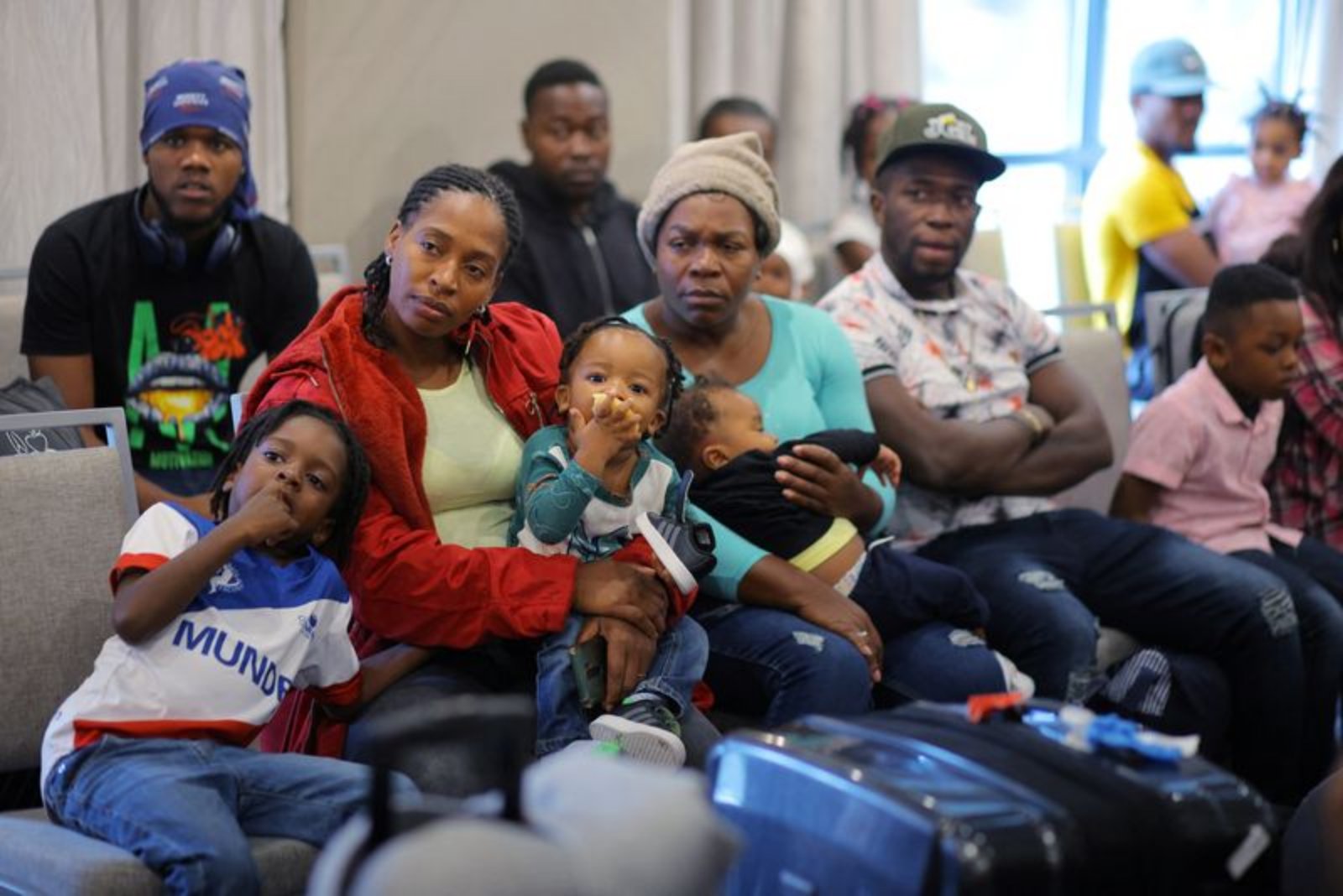
A divided panel of the U.S. Court of Appeals for the District of Columbia Circuit late on Friday denied the Trump administration’s motion to stay a federal injunction that prevents the Department of Homeland Security (DHS) from ending Temporary Protected Status (TPS) for more than 350,000 Haitians.
The D.C. Circuit judges voted 2-1 against pausing U.S. District Judge Ana Reyes’ February 2 order, which halted DHS action to terminate Haiti’s TPS designation while litigation proceeds. The February decision arose from a class-action lawsuit filed by Haitians who sought to stop DHS from placing them at risk of deportation.
TPS is a humanitarian designation that protects eligible foreign nationals from deportation and grants them authorization to work in the United States. The program for Haitians dates to 2010, when the designation was first granted following a devastating earthquake. The U.S. has renewed Haiti’s TPS repeatedly, most recently in July 2024, when DHS cited the country’s "simultaneous economic, security, political, and health crises," attributing those conditions to gang violence and the absence of a functioning government.
Under outgoing Homeland Security Secretary Kristi Noem, DHS moved in November to terminate TPS for a group of designated countries, including Haiti, as part of a broader effort to roll back the program. The administration has argued that TPS was not intended to function as a "de facto amnesty." On appeal, the administration asked the D.C. Circuit to pause Judge Reyes’ order while it pursues appellate review.
In their decision, U.S. Circuit Judges Florence Pan and Brad Garcia, both appointed by President Joe Biden, distinguished the Haitian case from prior litigation the administration had pursued regarding TPS for Venezuelans. The two judges emphasized that Haitians returned to their home country would likely face acute vulnerabilities, including exposure to violence amid what they described as a "collapsing rule of law," as well as limited access to essential medical care.
U.S. Circuit Judge Justin Walker, a Trump appointee, issued a dissent. He characterized the Haitian matter and the earlier Supreme Court litigation allowing TPS termination for Venezuelans as closely analogous, calling them "the legal equivalent of fraternal, if not identical, twins."
A DHS spokesperson said the administration intends to escalate the dispute to the U.S. Supreme Court. In a statement, the spokesperson argued that "temporary means temporary" and criticized judges who they said were effectively making policy from the bench.
The ruling leaves in place the district court’s injunction for the time being, preserving the legal protections that allow the affected Haitian nationals to remain and work in the United States while the appeals proceed.