
United Airlines shares moved lower in premarket trading on Monday after the carrier outlined more capacity reductions designed to eliminate unprofitable flying amid a sharp rise in jet fuel costs related to the Iran conflict. By 05:59 ET, the stock had slipped 1.7% in market pre-open trade.
In a memo to staff on Friday, CEO Scott Kirby said the airline is positioning itself for a scenario in which crude oil could climb to $175 per barrel and remain above $100 a barrel through the end of 2027. At those price levels, Kirby wrote, United's annual fuel bill would rise by roughly $11 billion - an increase he noted is more than double the airline's single-year profit in its "best year ever."
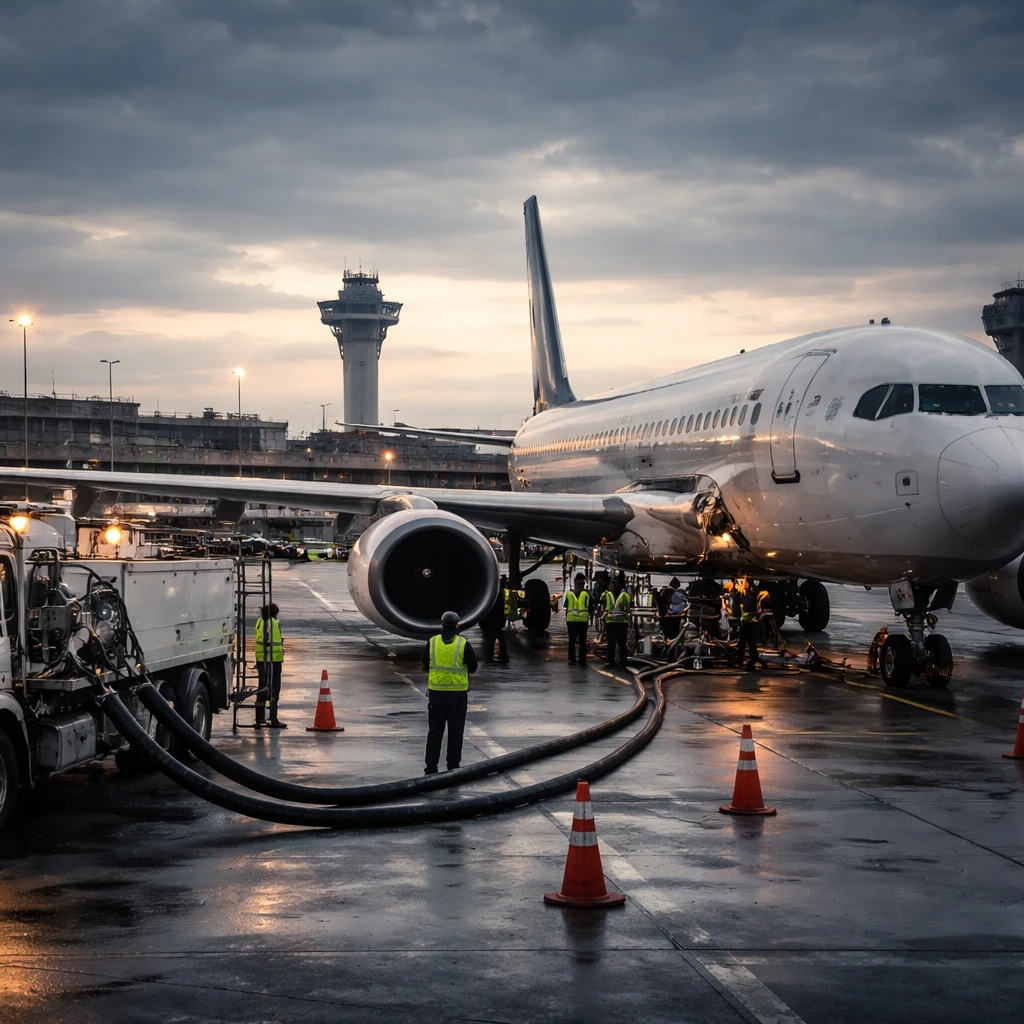
The conflict in Iran has contributed to a renewed fuel shock for carriers, with jet fuel prices nearly doubling since late February. The surge in fuel costs has raised operating expenses across the industry and has forced airlines to make operational adjustments because of airspace restrictions and rerouting.
Despite these headwinds, U.S. carriers have been able to lift fares, supported by steady travel demand and a pullback in capacity. Still, United is taking a conservative posture on marginal flying. Kirby said there is a reasonable chance the most severe fuel scenario will not materialize, but the airline prefers to prepare for that outcome rather than be surprised by it.
United has already trimmed less-profitable flying, cutting certain midweek, Saturday, and overnight services. The additional measures announced will reduce off-peak flying by about three percentage points across the second and third quarters, concentrating on routes and time slots with weaker demand. The carrier will also remove approximately one percentage point of capacity from its Chicago O'Hare hub and will continue to suspend flights to Tel Aviv and Dubai.
Altogether, these steps amount to roughly a five percentage point reduction in planned capacity for the year. Kirby said the airline still expects to reinstate its full schedule in the fall, indicating the cuts are targeted and intended to be temporary if fuel markets normalize.
The CEO has previously emphasized that United would rather leave some passenger demand unmet than operate flights that are unprofitable in a high-fuel-price environment. The latest capacity reductions reflect that stance, focusing on marginal flying where unit economics are weakest.
Market reaction: The immediate market response was negative, with United's shares down in premarket trade. The memo and capacity adjustments highlight the sensitivity of airline margins to fuel prices and the trade-offs carriers face between maintaining schedules and protecting profitability.
Outlook: United's planning centers on a conservative case for elevated fuel costs; management says it will restore capacity if conditions allow. For now, the carrier is prioritizing route and timing adjustments to preserve margins amid a period of price volatility.