
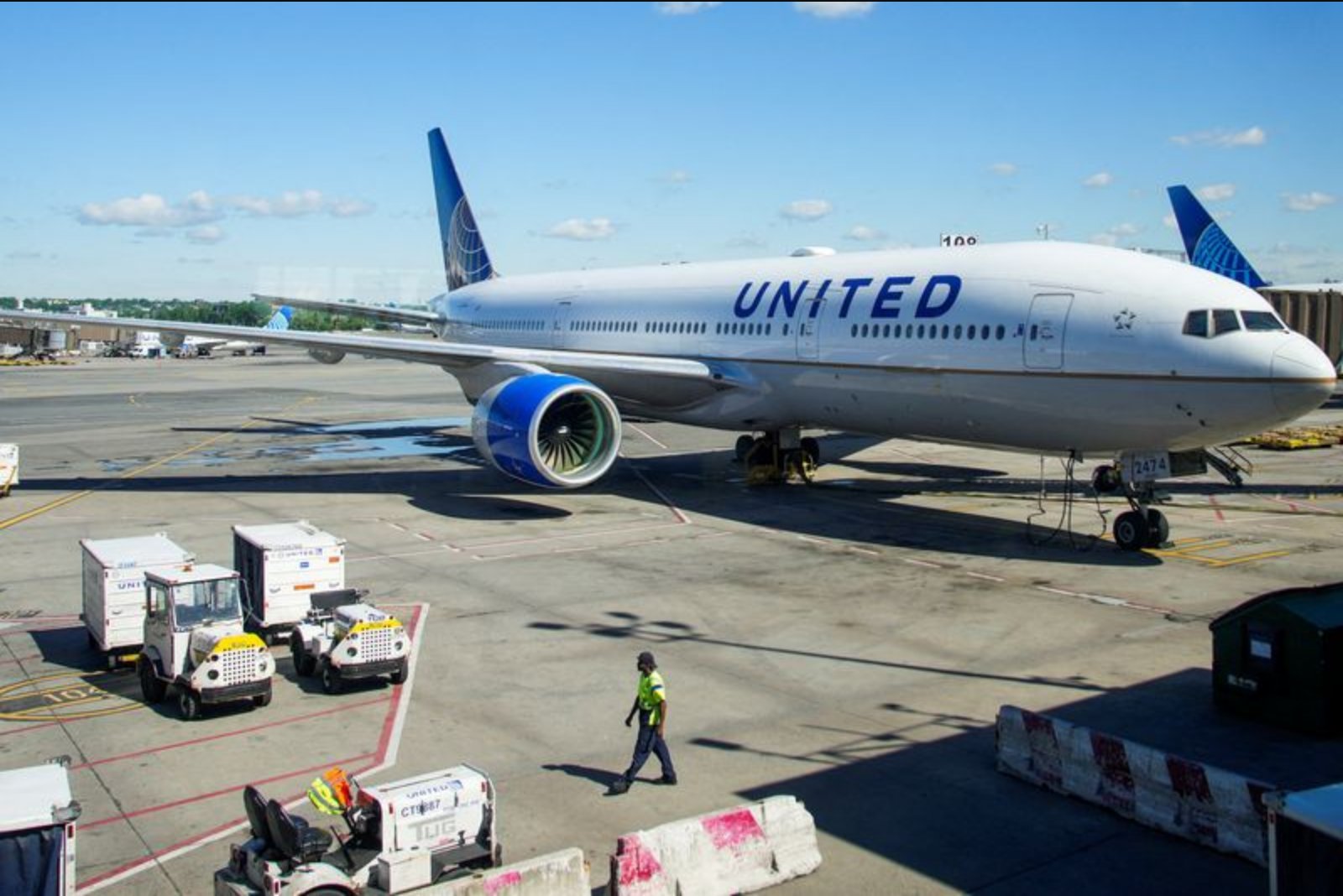
United Airlines announced on Friday that it will roll out a new three-level fare structure for premium cabin travel later this year, expanding the carrier's existing segmented pricing approach in economy to higher-end seats.
Under the planned system, premium cabins will be offered with base, standard and flexible fare options on long-haul international services, transcontinental U.S. routes and selected flights to Hawaii. The company said these tiers will align with the established basic, standard and flexible options already used in United's economy cabins.
United described the premium fare categories as follows: the base tier will offer the lowest price point in premium cabins; the standard tier will include additional benefits such as complimentary seat selection and extra checked baggage; and the flexible tier will provide fully refundable tickets while encompassing the perks available in the standard category.
The carrier indicated it expects to introduce the new premium-cabin categories in select markets this month, with plans to extend the offering to more long-haul international, transcontinental and longer Hawaii flights later in the year.
"These new tiered options give customers more choice and make it easier to find a fare that includes the benefits they want most - whether that’s a great value, added perks, or maximum flexibility," said Andrew Nocella, United’s chief commercial officer.
The announcement follows a broader program unveiled by United last month that reconfigures aircraft and cabin layouts with an emphasis on higher-end seating. United also cautioned in that update that oil prices could remain above $100 a barrel through 2027 and outlined intentions to trim some flights in response.
Industry observers note that major U.S. carriers have increasingly structured their businesses around premium travelers, corporate accounts and loyalty-program members since the COVID-19 pandemic, under the assumption that those passenger segments are less likely to reduce travel as fares rise. United’s new premium-cabin pricing is a direct extension of that commercial strategy, applied to its long-haul, transcontinental and select Hawaii services.
Implementation and timing: United plans a phased rollout, beginning in select markets this month and expanding coverage to additional long-haul international, transcontinental U.S. and longer Hawaii routes later this year.