
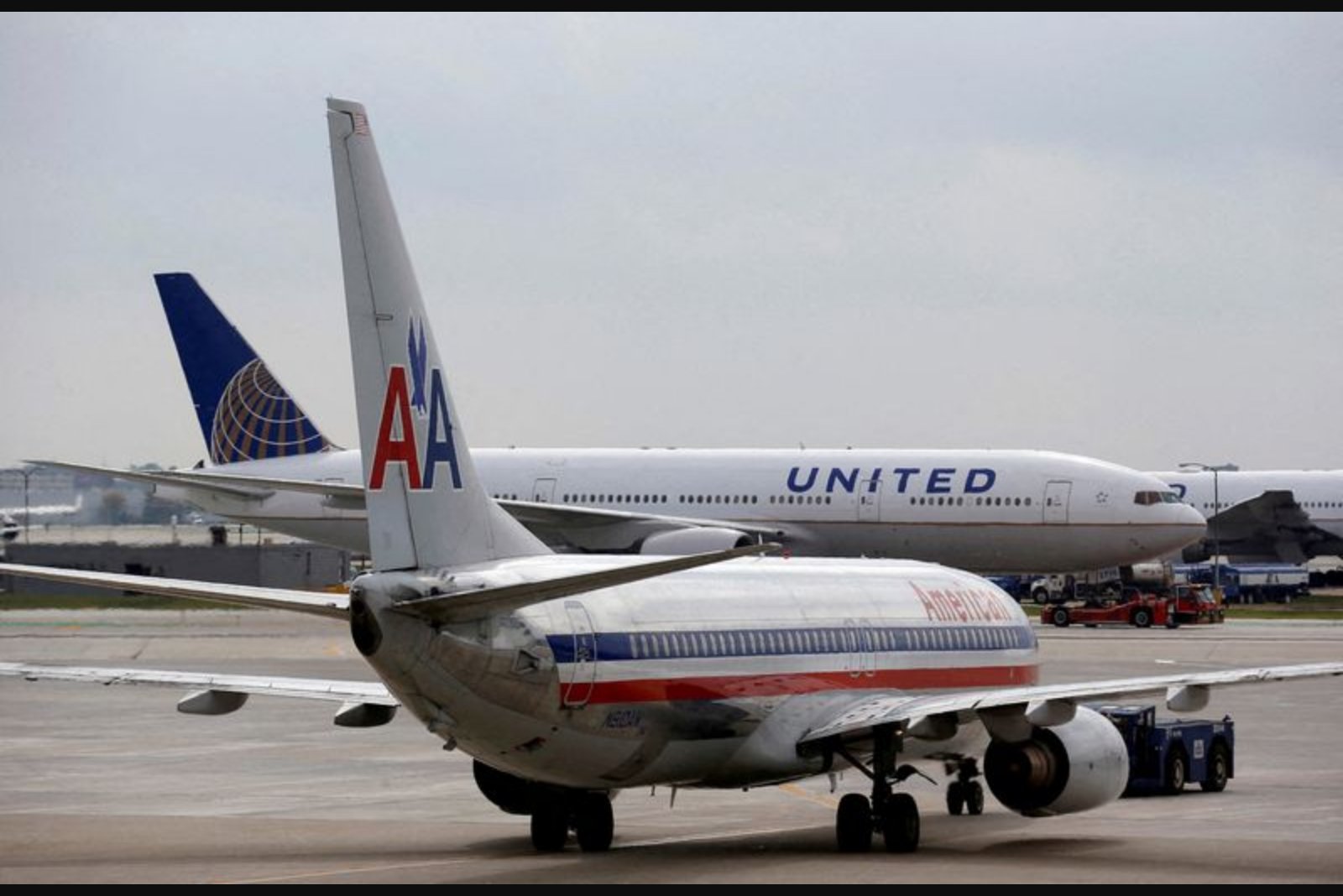
CHICAGO, March 24 - United Airlines unveiled an extensive aircraft and cabin revamp on Tuesday that emphasizes upgraded premium seating as a central plank of its long-term growth strategy. The Chicago-based carrier said it expects to receive more than 250 aircraft by April 2028. Among those deliveries are 68 Airbus A321neo Coastliner and A321XLR jets, which the airline said will feature lie-flat Polaris business-class seats and expanded Premium Plus cabins.
The announcement follows United Chief Executive Scott Kirby's recent warning that oil prices could remain above $100 a barrel through 2027 and might climb as high as $175. In response to that outlook, United flagged plans to trim about five percentage points of planned capacity this year. Kirby has quantified the potential impact of sustained high fuel prices, saying that at those levels United’s annual fuel bill would rise by about $11 billion, an amount he noted is more than twice the profit the carrier achieved in its best year.
Despite that stark scenario, Kirby said the airline is in a stronger position than in prior cycles to withstand shocks, protect margins and continue investing. "We’ve positioned ourselves to get through these storms that are inevitable, stay focused on the long term and keep investing for the long term," he said on a media call.
Fleet and cabin details
Two Airbus variants are central to United's premium push. One model, branded the Coastliner, will be deployed on premium short-haul city pairs, flying exclusively between Los Angeles and San Francisco and between Newark and New York. The Coastliner will be configured with 20 Polaris lie-flat seats and 12 Premium Plus seats.
The other model, the A321XLR, is slated to replace Boeing 757s on certain international routes beginning this summer and to enable service to additional destinations in Europe and South America at a later stage. United said that the 757s currently operating many of those routes typically carry about 16 business-class seats. The A321XLR will offer 32 premium seats on those missions, representing a marked increase in premium capacity per aircraft.
Commercial strategy and demand
United framed the fleet choices as part of a broader industry shift by large U.S. carriers toward serving premium travelers, corporate accounts and loyalty-program members, a cohort management believes is less sensitive to fare rises. Andrew Nocella, United's chief commercial officer, said the U.S. economy and air travel demand remain robust, enabling the carrier to push through fare increases without materially denting bookings. "I can tell you that the environment is strong," Nocella said. "We’ve been able to pass through many of the price increases necessary to cover what is a significantly quick and rapid increase in the price of oil and jet fuel."
The company portrayed the strategy as a way to prioritize higher-yield flying while trimming lower-margin flying in the face of sustained fuel cost pressure.
What the announcement means
United's plan aligns aircraft configuration and network planning around premium product, even as management prepares for a scenario of prolonged, elevated fuel prices and reduces near-term capacity. The combination of more premium seats per aircraft and a selective approach to capacity aims to support yields and margin protection if fuel costs remain elevated.