
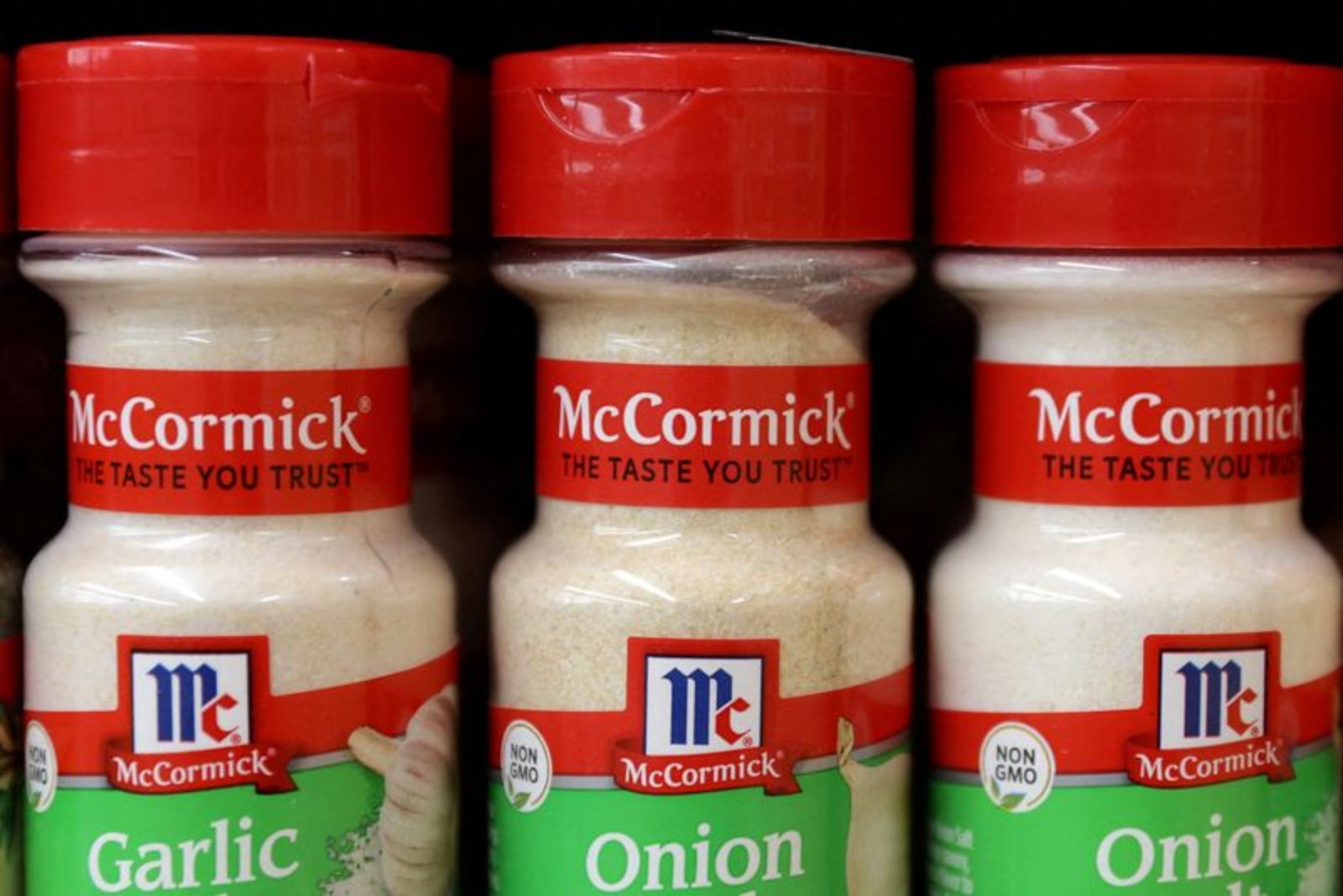
On Tuesday, Unilever said it was in advanced talks to combine its packaged foods business with McCormick in a possible transaction that would provide Unilever with $15.7 billion in cash and leave Unilever shareholders holding a majority stake in the merged entity. The potential move forms part of an accelerated effort by CEO Fernando Fernandez to reshape the company’s portfolio and reallocate strategic focus.
Attempts to shift Unilever toward personal care and beauty and to prune parts of its food portfolio are not new; more than one chief executive has sought to refocus the company in this direction. The latest proposal, however, has prompted investor concern that Fernandez could be distracted from the day-to-day running of Unilever while managing a potential separation. That unease has coincided with the company’s shares trading at their lowest levels since mid-2024 and with scepticism about whether a separation so soon after Unilever’s drawn-out ice cream unit split will yield clear benefits.
Valuation and financial profile of the foods unit
Unilever’s packaged foods division generates more than a quarter of the group’s sales and contains brands such as Knorr bouillon powders, Hellmann’s condiments, and Marmite spreads. The unit’s underlying operating margin - a figure that excludes currency effects - was 22.6% of revenue last year, higher than the 20% margin recorded for the overall group during the same period.
Last year the foods business delivered an operating profit of 2.9 billion euros, a performance that Barclays used to estimate an enterprise value for the division of roughly 30 billion euros. Those numbers sit against a backdrop of several headwinds that have weighed on the unit’s growth and outlook.
Growth headwinds and structural challenges
While the foods arm is Unilever’s second-largest business by sales after personal care, it is growing more slowly than the rest of the group. In the most recent year, the division expanded at 2.5% while repeatedly missing Unilever’s stated mid-term target range for annual sales growth of 4% to 6% - a shortfall that has persisted since pandemic-era peaks.
Several pressures have contributed to softer momentum: a broad shift among consumers away from ultra-processed products; rising competition from private label brands; and changing demand patterns potentially accelerated by the rise of weight-loss medications. These factors have prompted analysts and some investors to question the long-term growth prospects for packaged foods.
Political attention has also entered the debate, with figures such as U.S. Health Secretary Robert F. Kennedy Jr. highlighting potential health risks associated with processed foods - a line of commentary that feeds into concerns about future demand for some packaged food categories.
Market mix - developed versus emerging markets
The foods division operates across developed and emerging markets, and its performance varies by region. Growth has been slower in North America and Europe than in markets such as India and parts of Latin America, where Unilever maintains strong positions and private label competitors are generally less sophisticated.
Unilever stated that the proposed combination with McCormick would exclude certain assets, including its operations in India, but did not provide additional detail on which businesses would be carved out.
Barclays analyst Warren Ackerman noted that emerging markets represent 55% of Unilever’s food sales, but added that this exposure is insufficient to offset the saturated conditions in Europe and the United States.
Investor tools and market context
The announcement prompted attention from market analysts and investment services that track both Unilever and McCormick. One promotional evaluation cited in market coverage assesses McCormick (MKC) alongside thousands of other companies using more than 100 financial metrics and AI-enabled idea generation. That service claims to identify stocks with favorable risk-reward prospects based on current data and referenced past winners such as Super Micro Computer (+185%) and AppLovin (+157%), while offering to indicate whether MKC features in any of its strategies.
What remains uncertain
Unilever provided limited detail on which assets would be excluded from the proposed combination and offered no timeline for completing discussions. The firm also did not elaborate on post-transaction governance or integration plans beyond noting that Unilever shareholders would hold majority control of the merged foods entity if the transaction proceeds as described.
Given the combination of valuation, regional growth differences, margin profile, and evolving consumer preferences, the proposed tie-up with McCormick represents a significant strategic pivot for Unilever and a potential redefinition of its food portfolio going forward.