
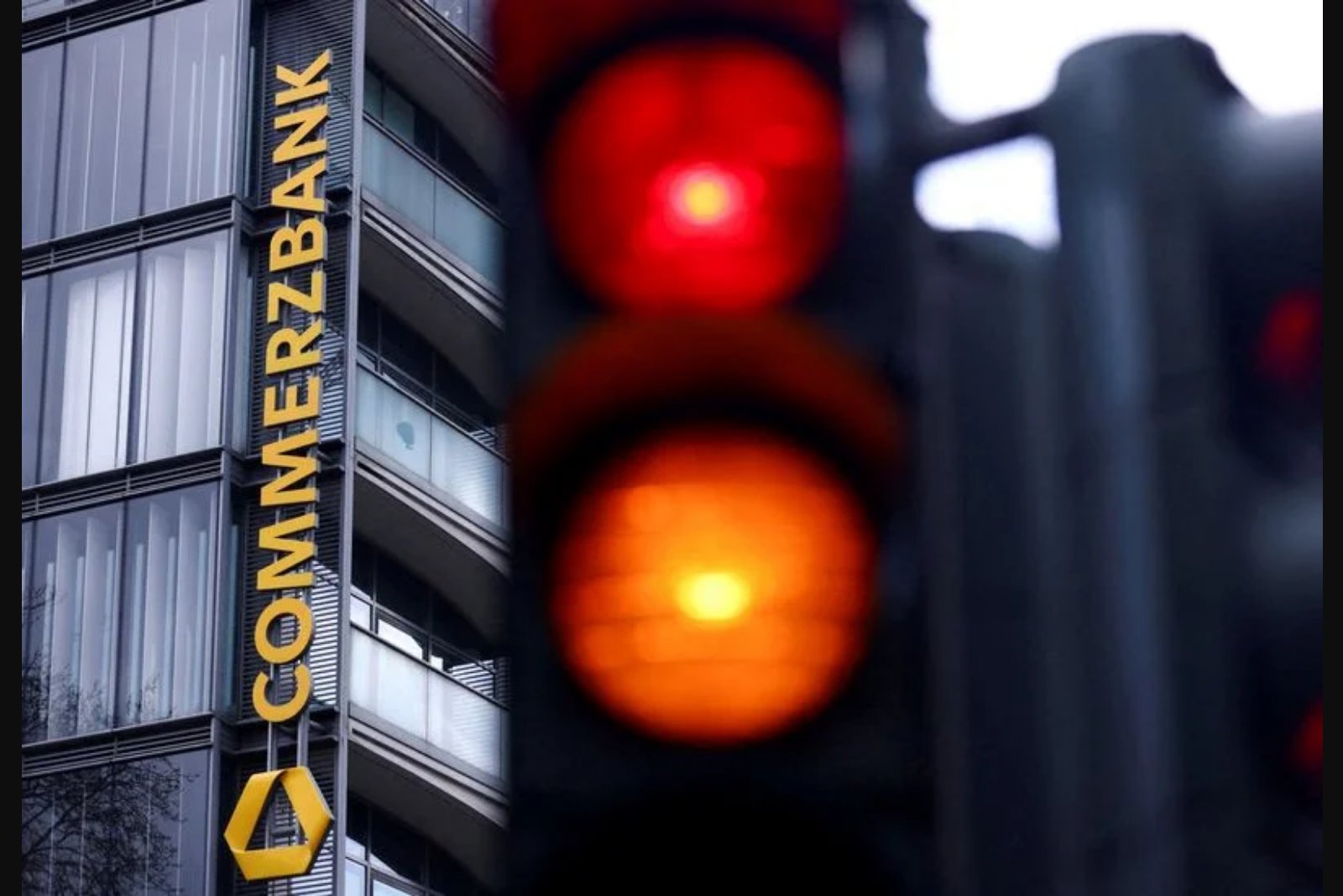
UniCredit’s voluntary €40 billion takeover offer for Commerzbank reaches its scheduled close on Tuesday. The Italian bank will provide a daily update later in the day showing the volume of Commerzbank shares tendered up to the customary 1200 GMT cut-off.
A more complete update, reflecting acceptances lodged up until midnight in Frankfurt on Tuesday (2200 GMT), is set to be published on June 19. Although the formal offer period ends on June 16, investors will have an additional two weeks - from June 20 through July 3 - to tender their shares. Those late tenders will be accepted on the same terms, and UniCredit has said there will be no further interim disclosures about take-up during that extension. The final, binding outcome of the takeover process will be released on July 8.
Current position
As of Monday, take-up of the offer stood at 11.91% of Commerzbank’s capital. That level of acceptances results in UniCredit holding an overall economic interest of 41.9% in Commerzbank when combining instruments and positions. This total includes a previously accumulated 26.77% equity stake and 3.22% held through share-settled derivatives. Separately, UniCredit has 13.19% of Commerzbank represented in cash-settled derivatives.
On Tuesday the German government reiterated its opposition to UniCredit’s approach and formally rejected the offer.
UniCredit’s objectives and regulatory milestones
UniCredit has stated that the primary aim of the voluntary offer is to raise its direct stake above Germany’s 30% mandatory bid threshold. Clearing that threshold would enable the bank to purchase additional Commerzbank shares in the market once the takeover process concludes. The European Central Bank must authorise the completion of the process, and that clearance is not expected to arrive before the third quarter.
The bank has also flagged a capital-ratio consideration that guides its approach. Accounting rules treat a declared controlling interest differently from majority ownership; being deemed in control with less than 50% plus one share would reduce UniCredit’s core capital ratio by 280 basis points, versus a 200 basis point deduction for majority ownership. To avoid a potentially larger capital hit, UniCredit could use its cash-settled derivatives to lower its visible stake. If counterparties to those swaps agree, the contracts could be amended to become share-settled, which would help UniCredit achieve outright majority ownership.
Implications for Commerzbank’s future
UniCredit has indicated that, should it obtain majority control, any substantive changes at Commerzbank would take time. The bank expects that integrating Commerzbank with UniCredit’s German unit, HypoVereinsbank (HVB), would require a couple of years of work while Commerzbank continued to operate as a standalone entity initially. UniCredit has not detailed how it would combine the two groups or whether the combined bank would be headquartered in Frankfurt, where Commerzbank is based, or Munich, where HVB is located.
The Italian lender has also signalled a potential management shake-up at Commerzbank by asserting it could secure enough votes to appoint investor representatives to the supervisory board, which in turn selects management. The German government retains representation on Commerzbank’s supervisory board owing to a roughly 12% stake it acquired when rescuing the bank during the global financial crisis.
Commerzbank’s chief executive, Bettina Orlopp, has repeatedly said she is willing to discuss a transaction only if it comes with a higher premium and guarantees for Commerzbank’s business model - factors at odds with UniCredit CEO Andrea Orcel’s stated plans for change. Orlopp has argued that any combined structure should reflect Germany as the principal market.
UniCredit has ruled out relocating its group head offices to Germany, although Italian authorities have expressed concern that the chief executive could make concessions on location to alleviate German resistance.
Who this affects
The outcome and subsequent steps will be material for shareholders of both banks, market participants monitoring European banking consolidation, and regulators who must sign off on any change in control. The German government’s stance and the ECB’s timetable will be key determinants of how the situation evolves.