
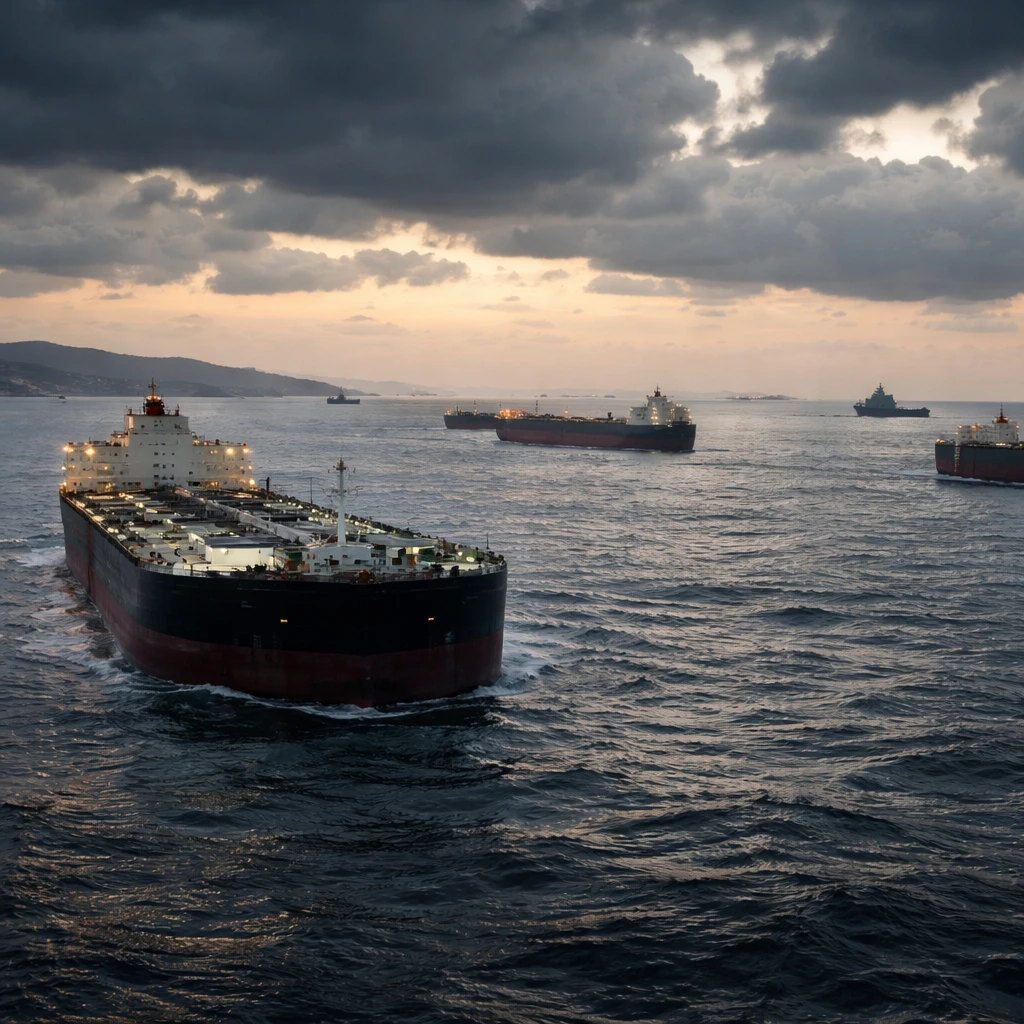
UBS Global Oil and Gas says the ongoing conflict with Iran leaves oil and gas markets exposed to upward price pressure while uncertainty remains over when transit through the Strait of Hormuz will normalize.
The firm noted that visibility is limited on whether and when flows through the strategically important waterway will resume fully. UBS quantified the current supply disruption, estimating a shortfall of 12 million barrels per day relative to normal conditions, compared with a pre-conflict disruption figure exceeding 20 million barrels per day. The firm attributes the gap chiefly to Saudi Arabia and the United Arab Emirates redirecting roughly 6 million barrels per day, while Iranian crude continues to move.
When accounting for emergency reserve releases, UBS said the effective shortfall would be reduced to about 9 million barrels per day. The firm also assessed global oil stockpiles, concluding that inventories likely declined to the five-year average by the end of March. If the disruptions persist, UBS warned stocks would fall below the bottom end of that range by the end of April.
Highlighting the potential market consequences, UBS said oil prices could exceed $150 per barrel within the month if there is no visible improvement in supply conditions.
Meanwhile, statements from U.S. leadership have underscored the heightened tensions. President Donald Trump said Wednesday that the United States is very close to achieving its objectives in Iran but indicated that U.S. pressure would continue intensely over the next two to three weeks. He added that, should Iran not accept an agreement in that period, U.S. forces would target all of the country’s power plants.
The president also emphasized the strategic importance of Iran’s energy infrastructure, though such assets have not been directly targeted so far in the conflict. Iran has previously stated it would retaliate against regional energy infrastructure if its own energy facilities were struck.
On the critical shipping lane, President Trump reiterated that countries dependent on oil transiting the Strait of Hormuz should take responsibility for efforts to reopen it, adding that the Strait should naturally reopen once the conflict ends.
Reports this week have suggested steps being taken by regional actors. Bloomberg reported that Iran is establishing a system under which vessels seeking to transit the Strait of Hormuz would need to be from friendly countries and could face fees. Separately, the Wall Street Journal reported that the UAE is considering joining the United States and other allies in operations to reopen the Strait by force, according to Arab officials.
UBS’s analysis frames a market environment where constrained flows, strategic responses from regional players, and the potential for targeted strikes on energy-related infrastructure combine to elevate upside risk for oil prices. The firm’s scenario analysis points to a material tightening of supply and a drawdown of inventories, with a clear price implication should disruptions remain unresolved.