
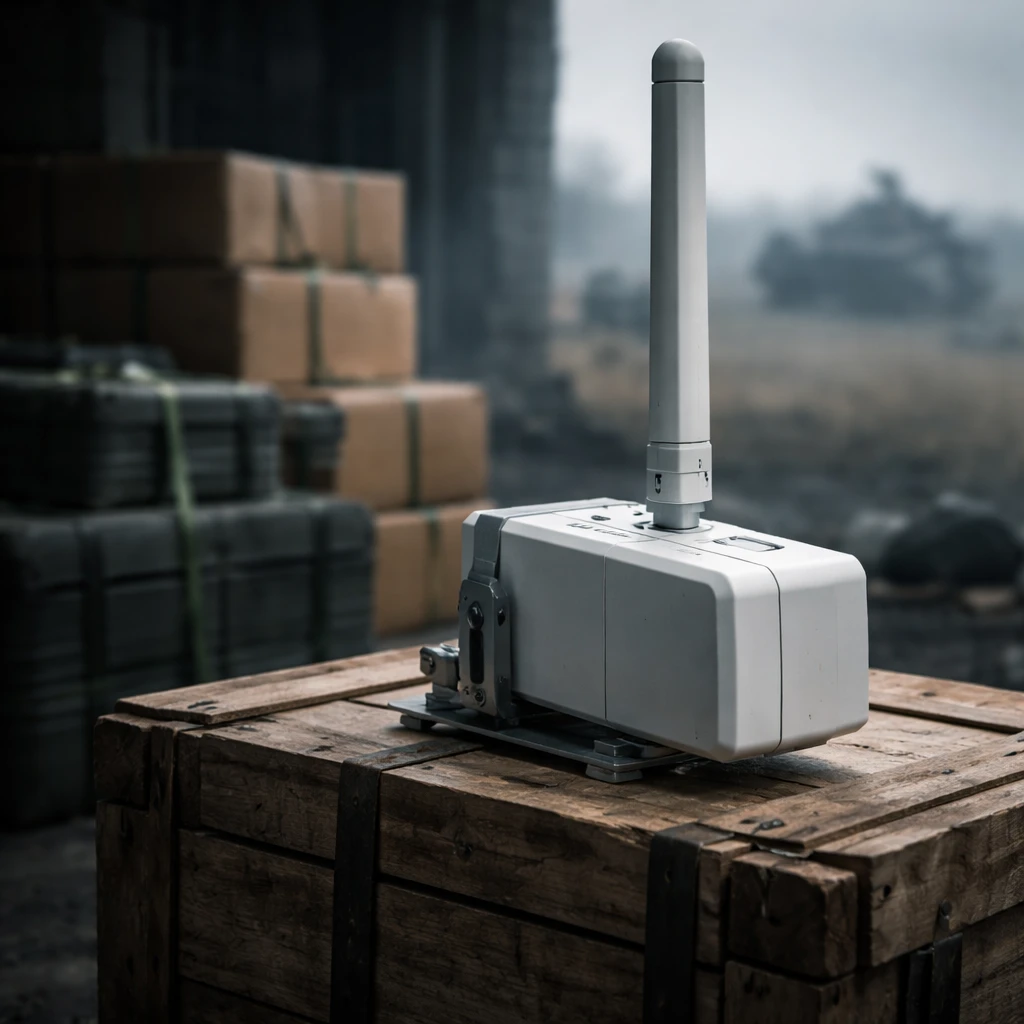
Ubiquiti Inc. (NYSE:UI) shares declined 8% on Tuesday following publication of a Hunterbrook investigation that alleges the company’s radio bridge antennae are being used by Russian military forces operating in Ukraine.
The Hunterbrook report contends that Ubiquiti devices meet "a critical communications need for the Russian military in Ukraine," with specific reference to their use in controlling or supporting drone operations. A Ukrainian communications officer quoted in the report estimated that roughly 80% of the Russian radio bridges observed on the battlefield were products made by Ubiquiti, characterizing those units as "basically plug-and-play" and noting there are "tons of tutorials on YouTube."
Hunterbrook’s findings also identify at least nine Russian military units that the report says, and that have been accused of war crimes, are among those using Ubiquiti equipment in Ukraine. The report asserts that the total value of Ubiquiti shipments entering Russia rose by 66% after the invasion, a rise the investigation says occurred despite existing U.S. and EU sanctions and export controls.
As part of its probe into how export-restricted equipment could reach Russian forces, Hunterbrook said it contacted nearly a dozen vendors and a number of official Ubiquiti distributors around the world while posing as a Russian military procurement officer. According to the report, those vendors and distributors agreed to sell export-banned equipment under those circumstances.
The report places the current allegations in the context of prior regulatory action, noting that in 2014 U.S. authorities fined Ubiquiti after at least $589,000 worth of prohibited equipment was diverted to sanctioned entities in Iran. Hunterbrook further highlights potential compliance weaknesses in Ubiquiti’s global distribution network, citing instances beyond Russia in Paraguay, Mexico, and potentially Iran.
Ubiquiti has not issued a public response to the allegations described in the Hunterbrook report.
Observers reading the report will see it as raising questions about the controls and oversight within Ubiquiti’s distribution channels and export compliance processes. The investigation’s claims - including the reported rise in shipments to Russia, the willingness of distributors to sell export-banned units when approached by an apparent procurement agent, and the reference to earlier regulatory action - are presented in the report as evidence of potential systemic gaps in enforcement of sanctions and export controls.
Given the specifics laid out in the report, the issues outlined relate most directly to the company’s operations and compliance functions, and touch on broader considerations for international trade in communications hardware.