
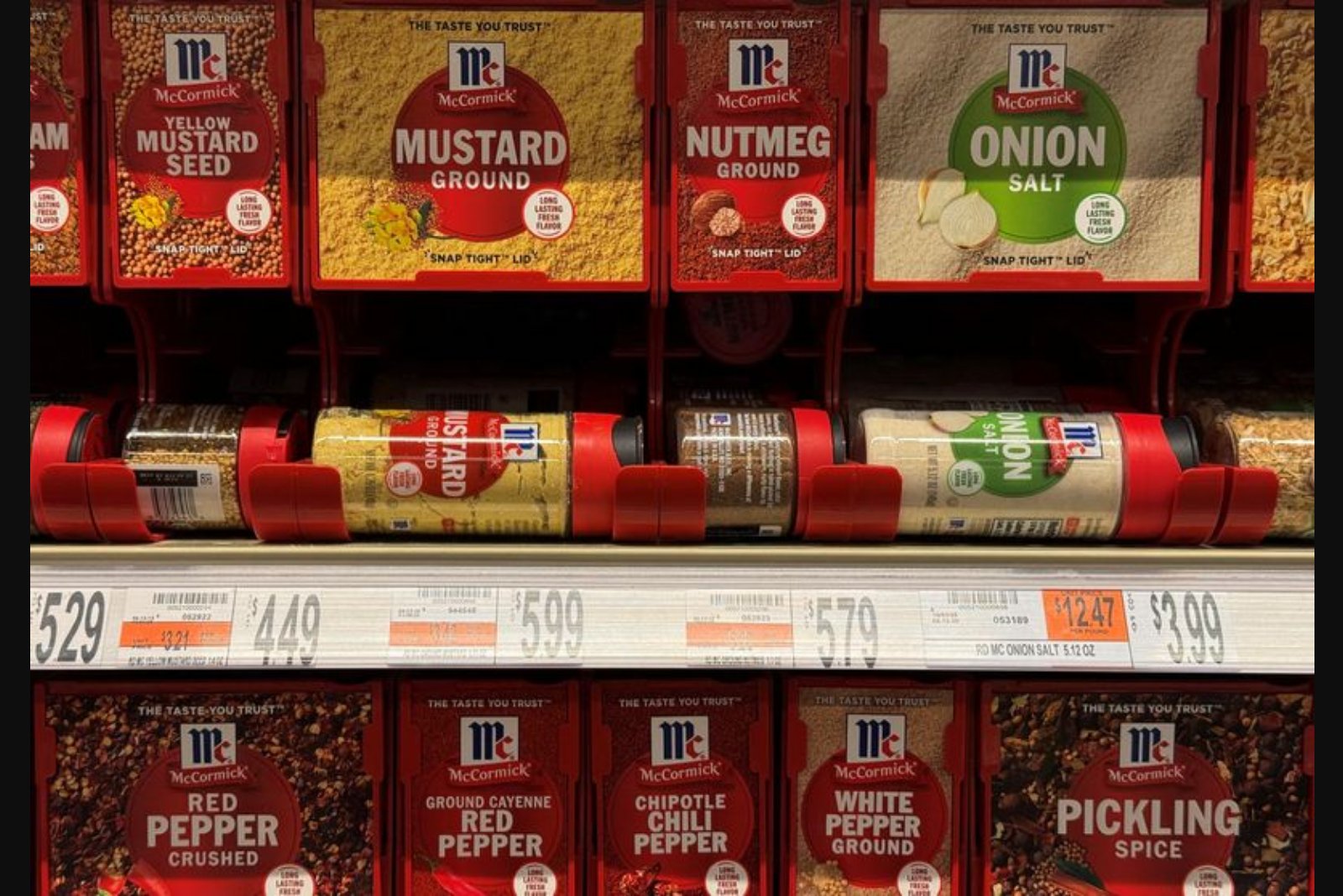
Two headline-making transactions in the U.S. food industry, announced within a single day, have pushed consumer companies back into the ranks of the quarter’s largest global deals - a development not seen in the sector for more than a decade. Sysco agreed to acquire Jetro Restaurant Depot for $29 billion, while McCormick moved to buy Unilever’s food business for nearly $45 billion.
Those two deals landed near the top of global deal rankings for the first quarter. McCormick’s purchase of Unilever’s food arm was the second-largest deal globally for the quarter, trailing only Amazon’s $50 billion investment in OpenAI, while Sysco’s acquisition was seventh on the list, according to LSEG data. The appearances of two U.S. consumer transactions in the top 10 of a single quarter are the first such occurrences since 2015.
Consumer-sector megadeals are uncommon on the global leaderboard, which tends to be dominated by technology and energy transactions. LSEG data shows the last time two consumer deals cracked the top 10 in the same quarter was in 2015, when Coty purchased Procter & Gamble’s beauty unit and three Coca-Cola bottlers merged.
Industry participants said the recent activity reflects a broader reshaping of consumer businesses to confront changing consumer preferences, heightened tariff uncertainty and slowing growth rates. Those pressures have nudged companies toward scale through acquisition as a way to secure growth and diversify risk.
Jens Welter, co-head of North America investment banking coverage at Citi, described the variety of dynamics playing out across consumer sub-sectors: "The dynamics around spirits are different from soft drinks, which are different from food, which are different from beauty. A lot of the fast-moving consumer goods companies have come out of a period of high inflation that has been passed along to consumers that has impacted volume growth... So you’re looking at alternative ways of growth, and that has been coming through consolidation."
For McCormick and Sysco, the transactions were not sudden moves but the culmination of strategic positioning over years. Unilever has been narrowing its food portfolio for some time, completing the separation of its ice cream unit in December and leaving Hellmann’s and Knorr among its largest remaining food brands. Company signals about a sharper focus on beauty and wellness under new leadership were interpreted by McCormick as an opening to pursue the food business, according to a source familiar with the matter.
In September, Unilever’s Fernando Fernandez outlined a set of seven priorities that emphasized a tilt toward beauty and personal care, among other objectives: "I have seven clear priorities: more beauty, more wellbeing, more personal care, more premium, more ecommerce, more U.S., more India ... Beauty and personal care now are 51% of our revenue and our ambition is to make it two thirds of our revenue in the mid-term."
At Jetro Restaurant Depot, succession considerations were central to the decision to sell. The private, family-owned company was founded by Nathan Kirsh, who is in his 90s, and the founder’s children do not run the business. Sysco’s CEO Kevin Hourican said the family concluded Sysco was the most suitable steward to carry the business into the next generation.
Similar family dynamics appear in other potential transactions under discussion across consumer categories. Talks are ongoing between Brown-Forman, maker of Jack Daniel’s, and Pernod Ricard in France, and between beauty company Estée Lauder and Barcelona-based Puig. Public reports indicate such combinations, if completed, would create entities valued in the tens of billions of dollars.
Jeannette Smits van Oyen, JPMorgan’s global head of consumer and retail investment banking, emphasized the strategic logic for consolidation amid market volatility: "You have a market environment that has been volatile and really shows no signs of stabilizing, so that scale and diversification are incredibly critical. It’s also no coincidence that in these times, these decisions become more fundamental for family constituents in evaluating what their alternatives could look like." Many of the companies in these discussions are also backed by founding families, she noted.
Analysts and industry sources described some prospective deals as partly defensive. The spirits sector is contending with slowing sales and a generational shift as younger consumers drink less, while prestige beauty brands face greater pressure to compete following L'Oréal’s acquisition of Kering’s beauty division last year. Those dynamics are prompting companies to seek scale, new capabilities or geographic diversification through M&A.
Mike Ross, PwC’s U.S. consumer markets deals leader, framed the urgency facing consumer companies: "There’s a need to be much more agile... and ready to adapt to those signals much faster than I think these companies have ever had to do before."
Market participants noted that megadeals overall reached record levels in the first quarter, and that many of those transactions were cross-border. Expanding global footprints - while avoiding excessive exposure to any single market - is seen as a hedge against mounting volatility.
Taken together, these recent transactions and ongoing talks suggest momentum for further consolidation in the consumer space for the remainder of the year. As Smits van Oyen observed: "These deals are never going to happen until they happen, and then deals beget deals."
Key Points
- McCormick’s near-$45 billion purchase of Unilever’s food business and Sysco’s $29 billion acquisition of Jetro Restaurant Depot rank among the largest global transactions of the quarter, according to LSEG.
- The back-to-back consumer megadeals are the first time two U.S. consumer transactions have appeared in the top 10 of a quarter since 2015, highlighting renewed consolidation in food and adjacent consumer sectors.
- Ongoing talks in spirits and beauty - including potential Brown-Forman/Pernod Ricard and Estée Lauder/Puig combinations - indicate consolidation pressure across multiple consumer subsectors.
Risks and Uncertainties
- Slowing sales and generational shifts in consumer preferences, particularly in spirits, could weaken organic growth and increase reliance on M&A - a risk for the spirits sector.
- Market volatility and tariff pressures create uncertain operating conditions, potentially complicating integration and the expected benefits of large cross-border deals - a risk affecting food and global consumer companies.
- Family ownership and succession decisions create uncertainty around timing and terms of potential transactions, which could delay or alter strategic outcomes in family-backed consumer firms.