
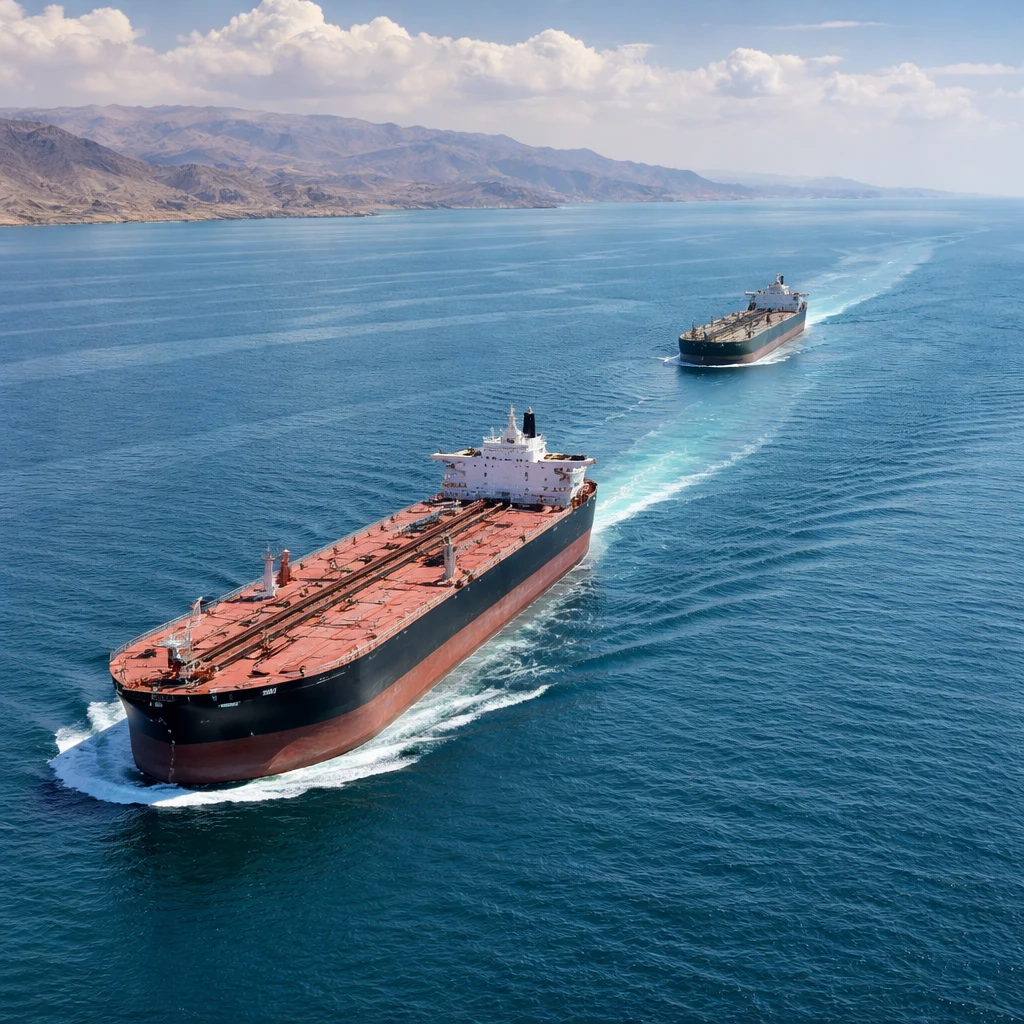
Two tankers transited the Strait of Hormuz outbound on Tuesday, according to tracking information compiled by Morgan Stanley. The pair comprised a crude oil tanker originating from Saudi Arabia and a fuel oil tanker from Kuwait, both recorded as leaving the strategic waterway.
These vessel movements occurred as U.S. officials provided Iran with a 15-point plan aimed at resolving the conflict and arranged a meeting in Pakistan for this weekend to discuss possible off-ramps. Multiple outlets reported the diplomatic initiative and the planned meeting as part of ongoing efforts to create a pathway toward de-escalation.
State-run Iranian media reported an initial rejection of the U.S. plan, stating that any ceasefire would require international guarantees and compensation for damages. That account described conditions Iran considers necessary for accepting a halt to hostilities. Following that report, Reuters said Iran was still reviewing the 15-point proposal after the first negative response.
Meanwhile, Reuters reported that Iraqi oil production has fallen by about 80%, to approximately 800 thousand barrels per day (kb/d). The drop reflects continued shut-ins attributed to a lack of available outflows and constraints on storage capacity, according to the same report.
The facts reported in tracking and diplomatic accounts stand as provided: Morgan Stanley's vessel movements, the U.S. delivery of a 15-point plan and planned Pakistan meeting, the Iranian state media report on rejection and conditions for a ceasefire, Reuters' follow-up reporting on Iran's review of the plan, and Reuters' reporting of the reduction in Iraqi output to roughly 800 kb/d due to shut-ins and storage limits.
Reporting limitations - The article reflects the movements and statements as reported by the named sources and does not add additional details beyond those accounts. Where follow-up reporting was noted, the description reflects the sequence presented rather than any subsequent developments.