
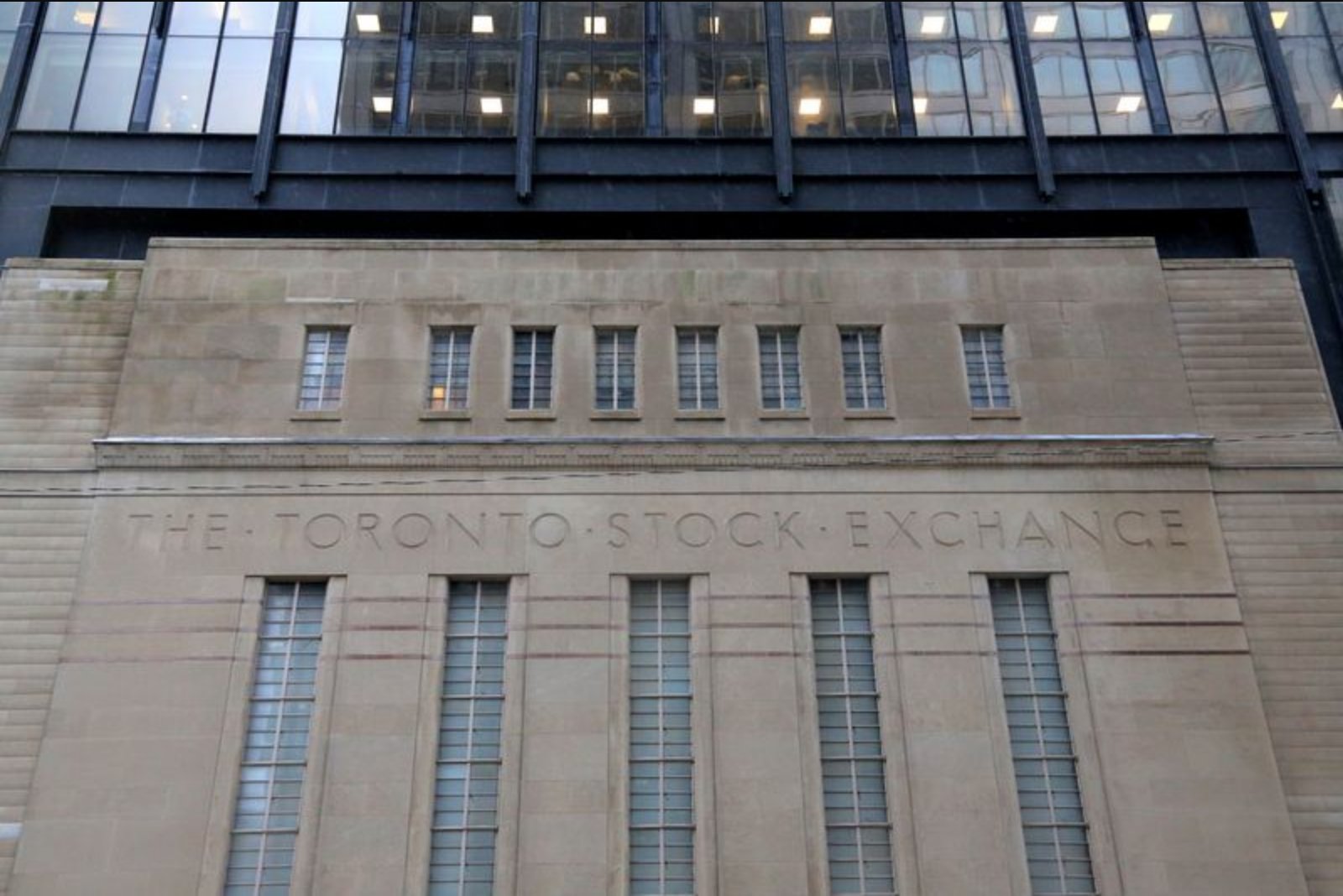
March 9 - Futures linked to Canada’s main stock index moved lower on Monday as renewed instability in the Middle East sent oil prices higher and revived investor anxiety over inflation.
March futures on the S&P/TSX composite index were down about 0.92% as of 6:50 a.m. ET. Wall Street stock futures likewise traded sharply lower in reaction to developments in the region.
Geopolitical tensions were heightened after Iran named Mojtaba Khamenei, the son of the late Ali Khamenei, as supreme leader. Market participants interpreted the appointment as an indication that hardliners remain influential in Tehran’s leadership, with the confrontation involving the United States and Israel entering its tenth day - a dynamic that has strengthened concerns the conflict may persist.
As fighting and political uncertainty intensified, oil surged to price levels not seen since mid-2022. The rise reflected a combination of voluntary supply reductions by major producers and growing fears of extended shipping disruptions. Crude did retreat from session highs, however, after reports said G7 finance ministers would consider discussing the possible release of emergency oil reserves. Traders also noted that Saudi Aramco had offered more than 4 million barrels of Saudi crude in rare tenders, which provided additional downward pressure on intraday peaks.
Precious metals moved in the opposite direction to energy markets at times, with gold coming under pressure as the dollar strengthened.
Canada’s benchmark equity index - led by large mining and energy companies - pulled back from record levels hit last month. The index has declined roughly 3.7% so far in March amid investor concern that rising oil costs will feed into broader inflation.
Market participants are looking ahead to upcoming data for further direction. U.S. inflation readings and Canadian jobs figures, both due later in the week, are expected to be closely watched for signals about the monetary policy outlook.
On the corporate front, brokerage J.P. Morgan revised its coverage of two mining names. First Quantum Minerals was downgraded to "underweight" from "overweight," and Lundin Mining Corp was lowered to "underweight" from "neutral."
Market context
The price action reflects an environment where geopolitical uncertainty, supply adjustments among major oil producers, and the prospect of shipping interruptions are combining to raise commodity prices. For Canada, where the equity benchmark is heavily weighted to energy and mining companies, that dynamic increases concerns around inflation and the potential for tighter monetary policy if data confirms persistent price pressures.