
Stock Markets April 2, 2026

Trump Proposes $1.5 Trillion Defense Request Emphasizing Missile Shield, Jets and Ships

Administration aims to boost weapons production to deter China and replenish stocks depleted by Middle East and Europe conflicts

By Sofia Navarro GD
Trump Proposes $1.5 Trillion Defense Request Emphasizing Missile Shield, Jets and Ships
GD

The administration plans to unveil a $1.5 trillion defense budget request for fiscal 2027, the largest year-over-year increase since World War Two. The package is expected to fund the $185 billion 'Golden Dome' missile defense shield, procurement of F-35 fighters, warships and Virginia-class submarines, and broader weapons production to deter Chinese aggression and rebuild inventories drawn down by conflicts in Israel, Iran and Ukraine. Additional budget details will follow on April 21 and the proposal will face congressional debate.

Key Points

  • The administration plans to request $1.5 trillion for defense in fiscal 2027, the largest year-over-year increase since World War Two.
  • The package is expected to fund the $185 billion 'Golden Dome' missile defense shield and include procurement of F-35 jets, warships and Virginia-class submarines.
  • Funds are intended to increase weapons production to deter Chinese activity in the Indo-Pacific and to replenish stocks depleted by conflicts in Israel, Iran and Ukraine; congressional debate will determine final outcomes.

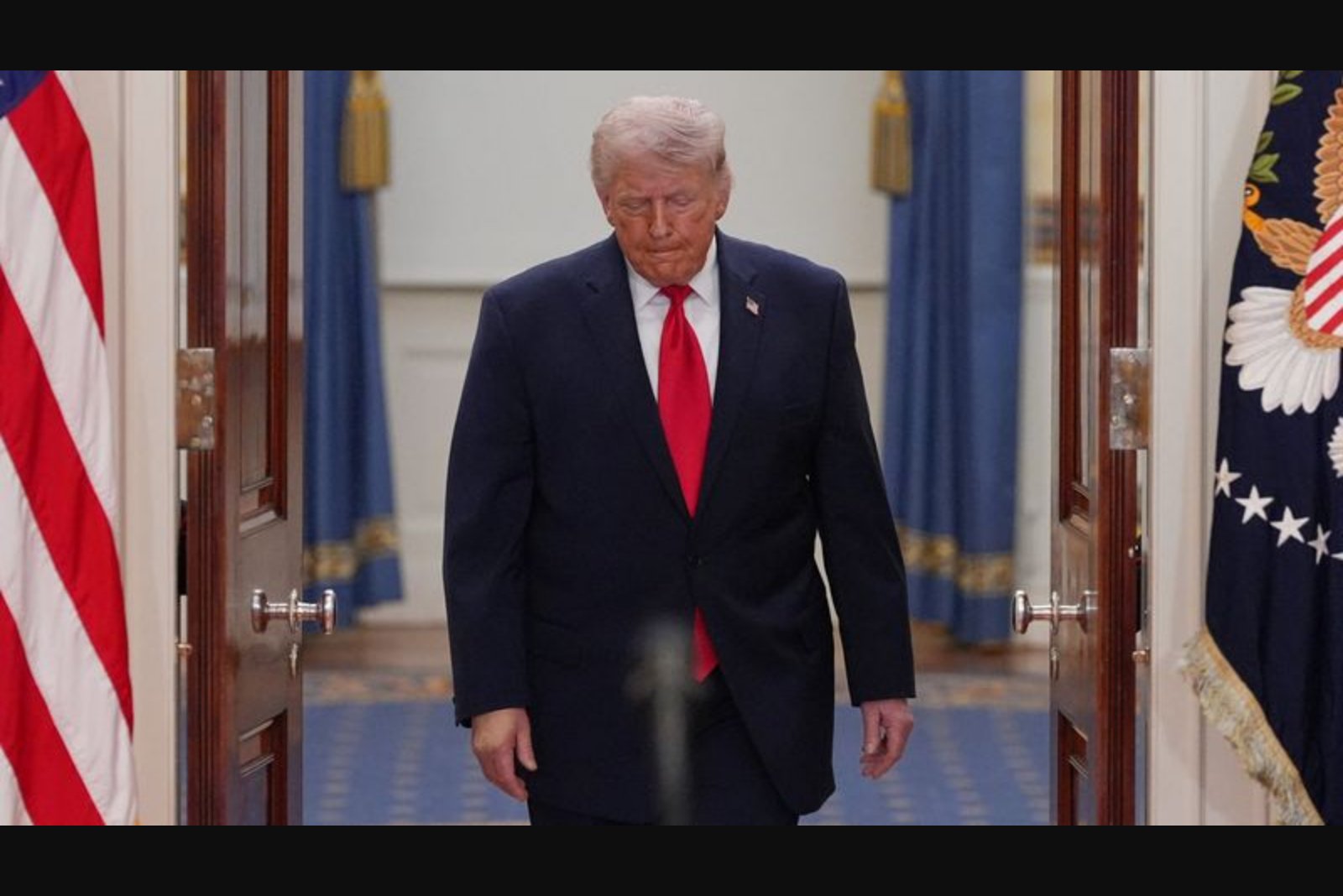
President Donald Trump is preparing to present a $1.5 trillion defense budget request for the fiscal year ending September 30, 2027, a scale of increase described by the administration as the largest year-over-year rise in U.S. defense spending since World War Two. The request is expected to include funding for the administration's centerpiece missile defense program, the $185 billion 'Golden Dome' shield, alongside continued investment in Lockheed Martin F-35 aircraft and surface combatants.

Shipbuilding priorities named for procurement in the request include Virginia-class submarines built by General Dynamics and Huntington Ingalls Industries, as well as other top shipbuilding programs. The package is intended to accelerate weapons production and address shortfalls in inventories after sustained conflict-related draws in the Middle East and Europe.

Last year the administration put forward a national defense budget of $892.6 billion and later supplemented that with an additional $150 billion through a supplemental request, pushing the total beyond $1 trillion for the first time. For the current planning cycle, officials have indicated a possible use of a split structure similar to 2026 - a core national security budget combined with a separate, larger supplemental request - although final format and allocations remain to be clarified.

While the broad framework for the fiscal 2027 request will be made public on Friday, Pentagon officials have said more granular budget details will be released on April 21. The administration has framed the higher spending levels as measures to deter Chinese aggression in the Indo-Pacific and to rebuild weapons stocks that policymakers say have been depleted by operational requirements tied to conflicts in Israel, Iran and Ukraine.

The proposal will enter a congressional review and appropriation process in the coming weeks and months, where lawmakers will debate the scope, scale and structure of the request. Those legislative deliberations will determine final spending and procurement outcomes for the programs identified in the administration's request.


Context limitations: The article reports on the administration's planned request and stated objectives. Further specifics of allocations and program-level funding will be announced by the Department of Defense on April 21 and are subject to congressional action.

Risks

  • Congressional approval is uncertain and will determine which programs and procurement plans receive final funding, affecting defense contractors and shipbuilders.
  • Details of the budget breakdown remain unclear until the Pentagon's April 21 announcement, creating near-term uncertainty for suppliers and program managers.
  • The potential use of a split budget structure - a base national security budget plus a supplemental request - introduces timing and appropriations risks for manufacturers dependent on contract award schedules.

More from Stock Markets

HMH Holding Prices IPO at $20 a Share, Raises About $193.8 Million Net Apr 2, 2026 SpaceX Seeks IPO Valuation Above $2 Trillion, Files Confidential Paperwork for Market Debut Apr 2, 2026 NLRB Orders Amazon to Bargain with Staten Island Warehouse Union Apr 2, 2026 Microsoft Says Paid Copilot Subscriptions Hit Ambitious Targets After Strategic Shift Apr 2, 2026 Sixteen Major Drugmakers Agree to U.S. Price Parity, Commit to Direct Sales via TrumpRx.gov Apr 2, 2026