
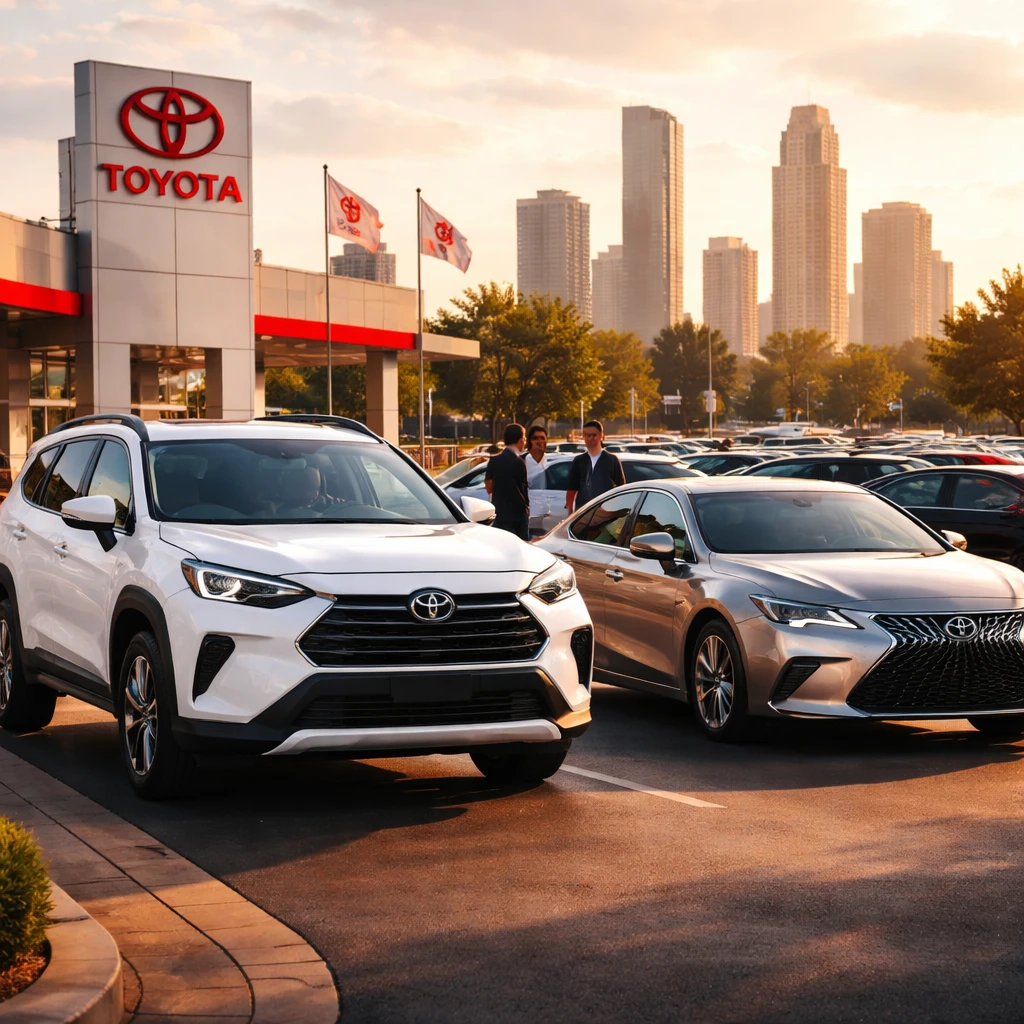
Toyota Motor has again been confirmed as the world’s best-selling automaker for 2025, announcing record global sales of 10.5 million vehicles on Thursday. The Japanese manufacturer said combined sales across its Toyota and Lexus brands increased 3.7% from the prior year.
That volume keeps Toyota ahead of Volkswagen Group, which recorded 9 million units, and Hyundai Motor Group, which delivered 7.27 million units.
U.S. demand was a standout for Toyota. Sales of Toyota and Lexus vehicles in the United States climbed 7.3% to 2.93 million units, with hybrid models such as the Prius and RAV4 cited as key contributors to stronger U.S. performance.
The company navigated a challenging trade environment in the U.S. after President Donald Trump initially imposed 25% tariffs on Japanese-made vehicles before cutting the levy to 15%. Toyota said it elected to shoulder tariff-related costs rather than broadly passing them on to consumers, and placed emphasis on local production and other measures to control costs.
In November, Toyota estimated the U.S. tariffs would cost the company 1.45 trillion yen, equivalent to $9.7 billion, in its fiscal year ending March 2026. Despite that projected burden, Toyota raised its full-year operating profit forecast, attributing the revision to successful cost-reduction efforts and firm demand in markets outside the United States.
Company commentary highlighted a strategy centered on absorbing some tariff impacts and expanding local manufacturing footprint while pursuing additional efficiencies. Toyota’s ability to expand sales and improve profit guidance, even while factoring in significant tariff costs, underscores both demand for its hybrid lineup and the effectiveness of its cost controls.
Looking across the industry, Toyota’s results demonstrate its continued global market leadership and resilience amid trade-related headwinds, with a particular emphasis on hybrid vehicle momentum in the U.S.
Summary
Toyota reported record 2025 global sales of 10.5 million vehicles, up 3.7% year-on-year, led by strength in U.S. hybrid models and supported by cost-control measures that allowed the company to raise its operating profit forecast despite tariff-related expenses estimated at 1.45 trillion yen for the fiscal year ending March 2026.