
Stock Markets January 28, 2026

ThriveCart Introduces ThrivePay Installments to Let Buyers Split Payments Using Existing Credit Lines

New offering aims to position itself as an alternative to traditional BNPL by leveraging consumers' pre-authorized credit and paying merchants up front

By Marcus Reed
ThriveCart Introduces ThrivePay Installments to Let Buyers Split Payments Using Existing Credit Lines

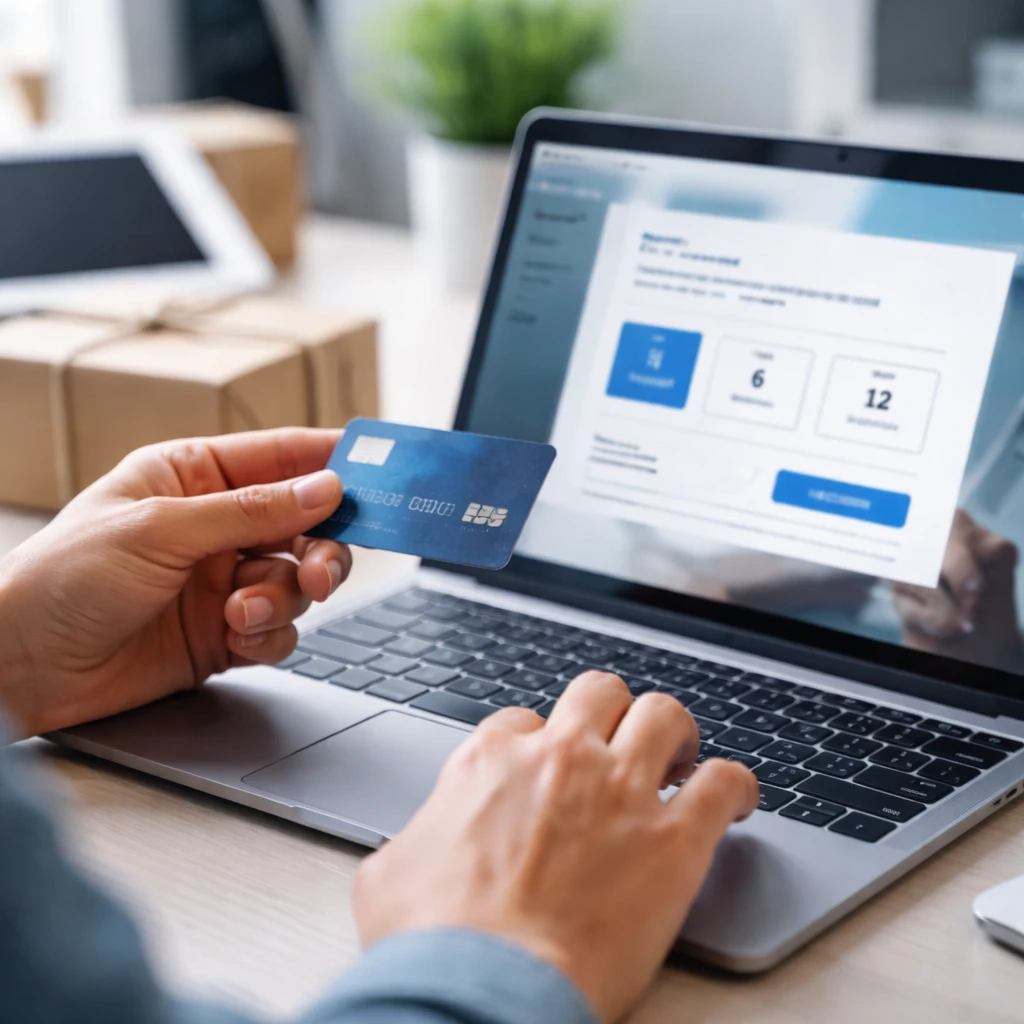
ThriveCart will roll out ThrivePay Installments later on Wednesday, a feature that lets customers divide purchases into 3, 6, or 12 monthly payments by using available capacity on their existing credit cards rather than creating new loans. The company says the product targets both one-time digital and physical purchases as well as subscriptions, and that it pays merchants immediately. ThriveCart highlights large pools of unused pre-authorized credit and projects higher authorization rates than some BNPL providers.

Key Points

  • ThriveCart will launch ThrivePay Installments to allow payments to be split into 3, 6, or 12 monthly installments using existing credit card limits.
  • The company received a $35 million investment from LTV SaaS Growth Fund in 2023 and has processed over $8 billion across 70 million transactions.
  • ThrivePay Installments targets one-time digital and physical purchases and subscriptions, and ThriveCart expects authorization rates around 85%, citing $4.1 trillion in U.S. pre-authorized credit with about $3.3 trillion unused.

ThriveCart will unveil ThrivePay Installments later on Wednesday. The new capability enables buyers to split the cost of a purchase into 3, 6, or 12 monthly payments, while drawing on available limits of their current credit cards rather than initiating new lines of consumer credit or loans.

The company, which secured a $35 million investment from LTV SaaS Growth Fund in 2023, frames the service as an alternative to conventional buy now, pay later offerings. Traditional BNPL services typically depend on underwriting models, location-based approval systems, and the creation of new consumer debt. By contrast, ThrivePay Installments relies on existing credit lines.

ThriveCart says it is aiming to access what it characterizes as a largely untapped source of consumer purchasing power. The company cites an estimate that U.S. consumers hold approximately $4.1 trillion in pre-authorized credit, with about $3.3 trillion of that capacity remaining unused. By using that existing credit, ThriveCart expects authorization rates for transactions to be near 85 percent - roughly double the approval rates it says some BNPL providers achieve.

The new product covers multiple use cases. It applies to one-time purchases of both digital and physical goods, and can also be used for subscription billing. ThriveCart will pay merchants up front for transactions completed through ThrivePay Installments, preserving merchant cash flow while offering buyers a way to spread payments over time.

ThriveCart has processed more than $8 billion in sales across 70 million transactions to date, and it sees the installment option as particularly relevant for higher-ticket digital products. The company notes that BNPL approval rates often decline for larger-ticket digital offerings because of lending limits and cross-border constraints; the new feature is designed with those limitations in mind.


Context and mechanics

The service will let shoppers use current credit card capacity to break payments into set monthly installments. ThriveCart projects that leaning on existing credit limits will yield materially higher authorization success than some BNPL alternatives, and that immediate merchant payout supports sellers who offer larger or cross-border digital goods.

What the announcement does not specify

  • No new timelines beyond the launch day are provided in the announcement.
  • No pricing terms, fees, or merchant rates for ThrivePay Installments were detailed.

Risks

  • Approval and authorization projections reflect company expectations and may not match actual outcomes - this affects payments and e-commerce sectors.
  • No detailed pricing, fee structure, or merchant cost terms were provided, creating uncertainty for merchants considering adoption - impacts retail and digital goods sellers.
  • The reliance on existing credit lines may face constraints in practice, particularly across borders or for very large transactions, which could limit uptake in cross-border digital sales.

More from Stock Markets

European equities tick up as metals rebound; Publicis and earnings cycle take center stage Feb 3, 2026 UK Grocery Price Growth Slows to 4.0% as Own-Label Spending Hits Record Share Feb 3, 2026 Tokyo Shares Surge to Record High as Nikkei Climbs Nearly 4% Feb 3, 2026 Price Guarantee Helped Close Anta's $1.8 Billion Acquisition of Puma Stake Feb 3, 2026 Australian Shares Finish Higher as Gold, IT and Mining Stocks Lead Gains Feb 3, 2026