
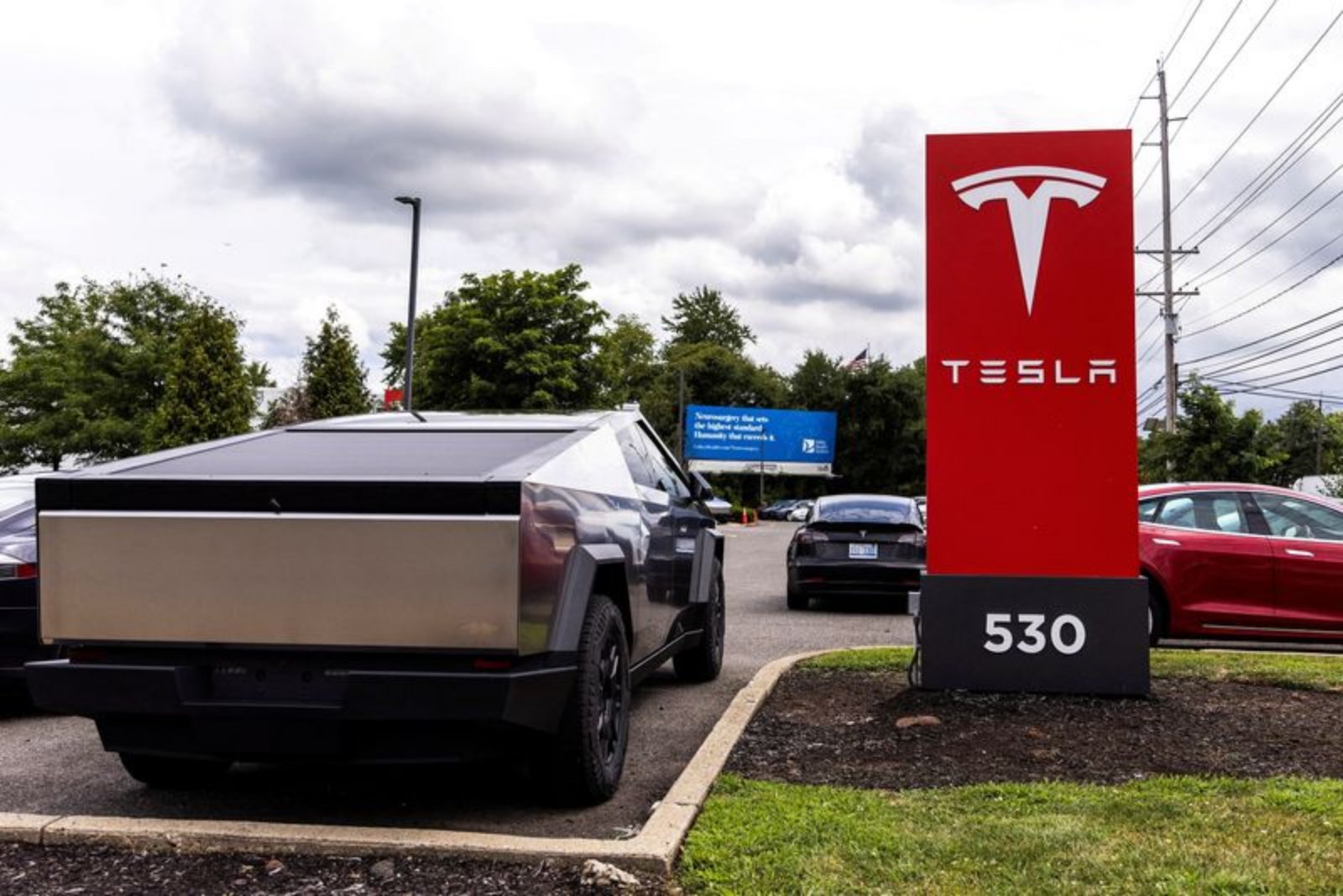
Tesla reported lower-than-expected vehicle deliveries for the first quarter, a miss that weighed on its shares ahead of the market open. The company delivered 358,023 vehicles in the January-March period, a figure that was 14.4% below deliveries in the fourth quarter but 6.3% higher than the same quarter a year earlier. Visible Alpha data shows analysts were looking for 368,903 deliveries on average for the quarter.
Shares of the automaker moved lower in premarket trading, falling nearly 4% as investors reacted to the shortfall relative to Wall Street’s estimates.
Delivery trends and forecasts
Tesla’s first-quarter results extend what has become a notable trend for the company: two consecutive years of declining annual deliveries, a first in its history. Analysts have likewise pared back delivery forecasts for 2026, with some forecasting a potential third straight year of lower annual volumes.
Industry ranking also shifted last year, when BYD’s surge in battery-electric vehicle sales pushed it ahead of Tesla, ending the American automaker’s run as the world’s largest EV maker.
Regional performance: China and Europe diverge
Regionally, Tesla showed signs of improvement in China, where China-made electric vehicle sales rose for a second consecutive quarter. For the January-March period, China sales were up 23.5% from a year earlier, accelerating from the 1.9% increase reported in the fourth quarter.
By contrast, Europe weighed on Tesla’s global performance in the prior year. The company has since shown signs of stabilization in parts of the continent, including reported gains in market share in France during the first quarter of 2026, although competition in Europe has intensified.
Incentives and demand
A significant factor cited in the company’s weakened U.S. demand is the expiration of a $7,500 federal tax credit at the end of September. That tax incentive’s removal is widely viewed as having eroded a key financial motivation for potential EV buyers in the United States. Analysts expect the loss of the credit to dampen EV demand through the current year, compounding the headwinds Tesla already faces from tougher competition.
Competitive pressures and product lineup
Competition has intensified in Europe, with both established automakers and Chinese EV brands increasing pressure on Tesla. Analysts note that Tesla’s core passenger model lineup has seen little change in recent years, a factor that some market watchers see as limiting its ability to fend off rivals gaining share.
Strategic priorities beyond vehicle sales
Market observers have increasingly emphasized that quarterly delivery counts are only one measure of Tesla’s prospects. Chief Executive Elon Musk has been steering the company toward broader initiatives including solar energy, humanoid robotics and autonomous taxis, and Wall Street’s assessment of the company factors these ambitions into its valuation.
Tesla’s market value of $1.4 trillion reflects heavy investor focus on those future opportunities, even as auto sales remain the primary contributor to revenue. In June, Tesla launched a robotaxi service in limited form in Austin, Texas. According to statements reported by the company, plans call for rapid expansion of that service during 2026, following the removal of safety monitors from vehicles in January.
The company also expects production of the Cybercab, a purpose-built autonomous two-seater, to ramp up through the year. Despite these initiatives, Tesla’s robotaxi footprint remains small at present, limited to Austin and a ride-hailing service in San Francisco, and is described as modest when compared with Waymo’s broader commercial rollout across the U.S.
Investor context
While some investors and analysts weigh the long-term potential of Tesla’s non-automotive businesses, near-term revenue and demand dynamics continue to center on auto sales and regional market performance. The combination of the tax credit lapse in the U.S., heightened competition in Europe and shifting market leadership globally creates a layered set of challenges for the company in the months ahead.
Given these developments, market participants will be watching upcoming quarters for signs that deliveries and market share can stabilize or rebound, particularly in key regions such as China and Europe, while also tracking the rollout and commercial traction of Tesla’s autonomy-related initiatives.