
Summary: Israel struck targets across Tehran amid reports that the United States has sent a 15-point proposal to Iran and is pursuing negotiations to end hostilities. The strikes were reported by both Israeli military channels and Iranian media. Simultaneously, regional drone attacks and retaliatory launches have hit Gulf-area infrastructure and raised concerns over continued disruption to global energy and markets.
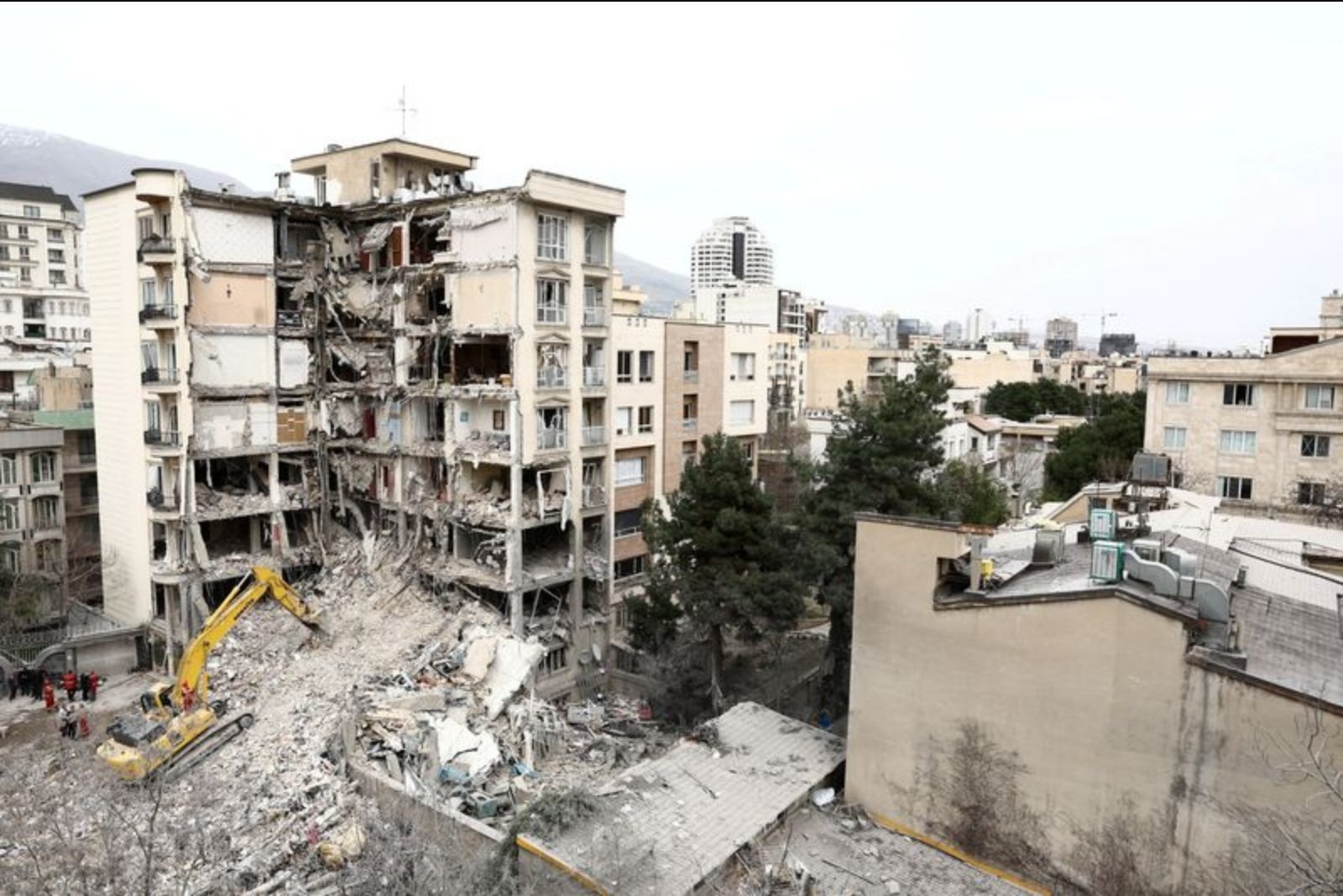
CAIRO/WASHINGTON March 25 - Israeli military forces said they carried out a wave of strikes aimed at infrastructure across Tehran on Wednesday, a move that Iranian media said struck residential areas and sent rescuers searching through rubble. The Israeli Defense Forces posted details of the operation on Telegram, while Iran’s semi-official SNN News Agency described damage in the city.
At the same time, President Donald Trump told reporters that the United States was making progress in negotiations to end the war, and that a 15-point plan had been sent to Tehran for consideration. Reports of the plan and a proposed month-long ceasefire were cited as drivers for gains in stocks and declines in oil prices on Wednesday, as markets reacted to the possibility of a resumption of oil exports from the Persian Gulf.
Regional states reported additional hostilities. Kuwait and Saudi Arabia each said they had repelled new drone attacks on Wednesday, although they did not specify the provenance of the drones. In Kuwait, drones struck a fuel tank at Kuwait International Airport, sparking a fire that Kuwait’s Civil Aviation Authority said caused no casualties.
Iran’s Revolutionary Guards reported launching another series of attacks against locations in Israel, including Tel Aviv and Kiryat Shmona, along with strikes on U.S. bases in Kuwait, Jordan and Bahrain, according to Iranian state media.
President Trump said the U.S. was in "negotiations" to halt hostilities and that Washington was talking to what he described as "the right people" in Iran, adding that the Iranians wanted an agreement badly. Iran’s parliament speaker Mohammad Baqer Qalibaf, however, dismissed media reports of U.S.-Iran negotiations as "fake news."
Details on the reported 15-point plan and ceasefire: Multiple media reports cited in recent days said Washington had sent Iran a 15-point plan to end the war, with some outlets reporting that the U.S. seeks a month-long ceasefire to create space for discussions. An Israeli television channel, citing three sources, said the U.S. was pursuing a temporary ceasefire tied to the plan.
A source familiar with the matter confirmed to reporters that a plan had been transmitted to Iran but offered no additional details. Israeli media reporting suggested the proposed measures could include steps such as the dismantling of Iran’s nuclear programme, a cessation of support for proxy groups including Hezbollah in Lebanon, and the reopening of the Strait of Hormuz. The source material behind those suggestions was not detailed further in these accounts.
Background to recent strikes and maritime disruptions: The U.S. and Israel conducted strikes on Iran on February 28 after saying talks had not yielded sufficient progress on curbing Iran’s nuclear activities, even as an Omani mediator stated that some progress had been made. Since that escalation, Iran has mounted attacks on countries that host U.S. forces, struck Gulf energy infrastructure, and taken actions that effectively closed the Strait of Hormuz, a key maritime chokepoint for global oil and liquefied natural gas shipments.
International authorities were informed by Iran that "non-hostile vessels" may transit the Strait of Hormuz if they coordinated with Iranian authorities, according to a note seen by journalists. The effective closure of the waterway, where roughly a fifth of the world’s oil and gas typically transits, has been identified in reporting as a driver of a severe energy supply shock, contributing to soaring fuel prices and disruptions to global aviation.
Diplomatic offers and troop movements: Pakistan’s Prime Minister Shehbaz Sharif said he was willing to host talks between the U.S. and Iran aimed at ending the war. The offer came after President Trump announced he had postponed threats to strike Iranian power plants following what he described as "productive" discussions.
Despite media accounts of a U.S.-Iran dialogue, the Pentagon is reportedly preparing to send additional troops from the U.S. Army’s 82nd Airborne Division to the Middle East, with sources saying the deployment would add to an already significant U.S. presence in the region. Those forces would join roughly 50,000 U.S. troops already stationed in the area and are part of a broader military buildup that officials say could lengthen the duration of the conflict.
Market response and economic implications: Financial markets reacted to the reports of U.S. diplomacy. Stocks rose and oil prices fell on Wednesday, fueled by optimism that a month-long ceasefire and the 15-point plan could reopen Persian Gulf oil flows. The reporting linked the potential de-escalation to a reduction in the severe energy shock that has disrupted fuel supplies and global markets.
At the same time, ongoing attacks on infrastructure, repeated strikes, and expanded military deployments underscore continuing uncertainty for energy, aviation, and defense sectors. The trajectory of negotiations and military activity will be key variables for markets and supply chains as the situation evolves.
Given the fluidity of events and competing reports from official and media sources, many questions remain unsettled about the content of the plan sent to Tehran, the precise scope of the strikes in Tehran, and whether a ceasefire can be implemented and sustained.