
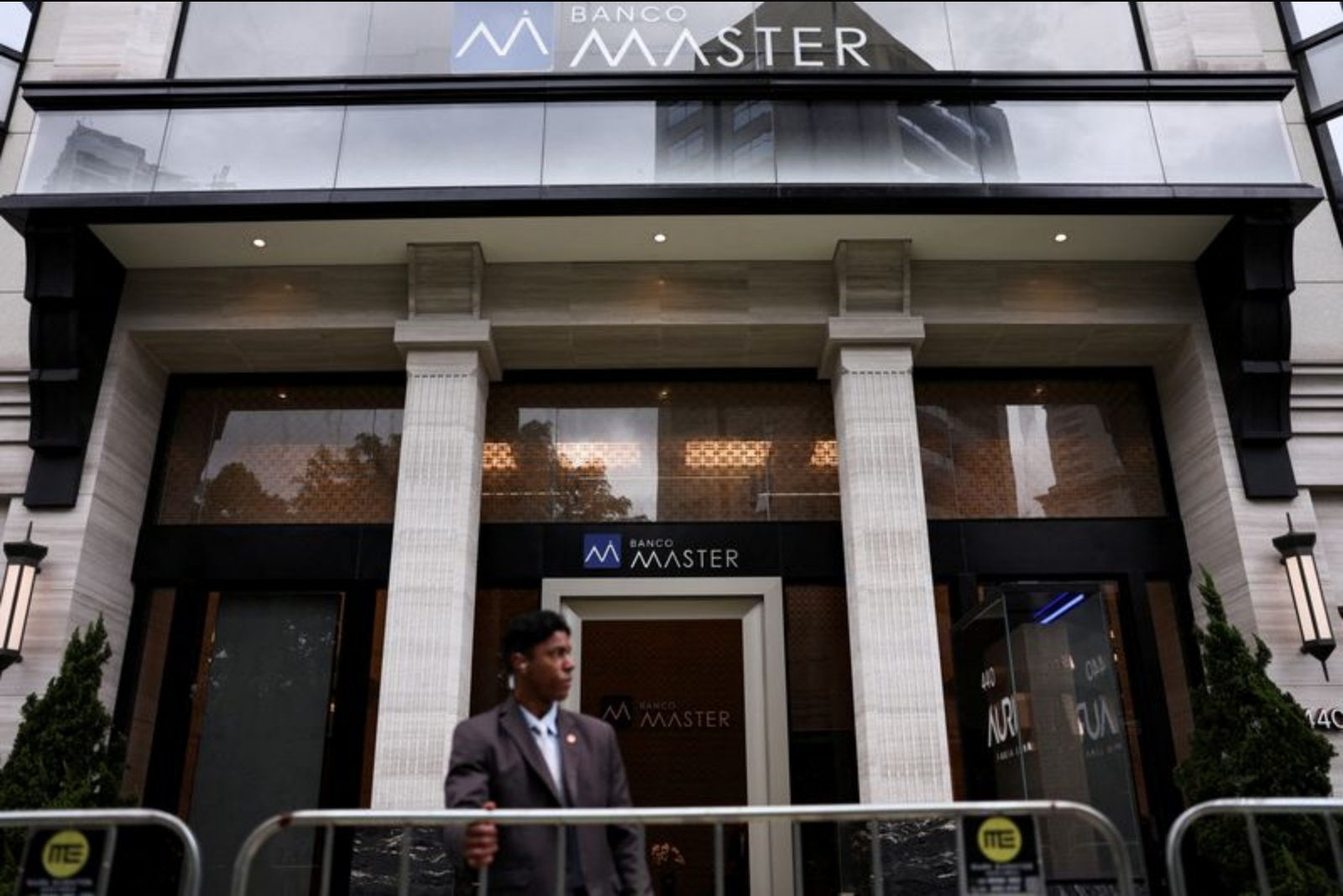
BRASILIA - Brazil’s federal audit court (TCU) has opted to defer a final ruling in the Banco Master case even after completing its internal technical review, the presiding judge said on Tuesday. Judge Jhonatan de Jesus explained that elements still under investigation by other authorities are material to the audit court’s capacity to arrive at a fully formed decision.
The TCU’s internal review, completed earlier, did not include recommendations about how the central bank conducted the liquidation of Banco Master last November during a severe liquidity squeeze and amid allegations that the bank sold fraudulent credit portfolios. Judge de Jesus said he would not issue a ruling "at the risk of reaching a decision with a lower degree of completeness than desirable." He declined to disclose the technical review’s findings.
Rather than concluding the matter independently, de Jesus ordered that the TCU incorporate findings from several ongoing probes into its proceedings. Specifically, he directed that evidence emerging from investigations by the central bank itself, the Office of the Comptroller General and a case pending before the Supreme Federal Court be added to the TCU record.
The judge emphasized that "the existence of investigations being conducted in other spheres, using different fact-finding tools and with the potential to uncover new elements, reinforces the case for awaiting a more developed evidentiary record before this court reaches a final judgment." By pausing its decision, the TCU is effectively signaling that it will wait for a broader evidentiary picture rather than move forward based solely on the audit court’s internal review.
TCU’s involvement has been closely watched because de Jesus had previously hinted he might impose "precautionary" measures designed to prevent the sale of assets during Banco Master’s liquidation. Such steps would aim to avoid irreversible outcomes while parallel probes determine whether the conduct surrounding the bank’s collapse and the liquidation steps were appropriate.
Earlier orders by de Jesus included an inspection of central bank documents that supported the regulator’s decision to close the lender. With the latest deferral, the audit court retains a role in shaping the sequence of events and potential safeguards that could affect the liquidation process.
The deferral follows revelations earlier this month tied to federal police work. That investigation uncovered evidence that two senior central bank regulators secretly advised Daniel Vorcaro, the controller of Banco Master. Federal police concluded Vorcaro likely bribed former central bank director Paulo Sergio Neves de Souza and Belline Santana, a former head of the banking supervision department, in return for tips and reviews of documents, according to cellphone messages obtained through court-authorized access to communications records.
By requesting that these external investigative results be folded into the TCU proceedings, the court is effectively linking its eventual judgment to the trajectory and findings of these other inquiries. The move preserves the court’s ability to consider any newly uncovered evidence before taking steps that could affect the lender’s liquidation and related asset dispositions.
Key points
- TCU deferred its ruling on Banco Master, citing ongoing investigations whose findings are necessary for a complete decision - sectors affected: banking, regulatory oversight.
- Judge Jhonatan de Jesus ordered incorporation of probes from the central bank, the Office of the Comptroller General and a Supreme Federal Court case into the TCU file - sectors affected: financial regulation, legal system.
- Federal police investigations indicate that Banco Master’s controller likely bribed two former central bank officials, based on cellphone messages obtained under court authorization - sectors affected: banking supervision, corporate governance.
Risks and uncertainties
- Potential for asset disposals to be restricted by "precautionary" measures, which could influence recoveries in the liquidation - sector impacted: banking, creditors.
- Ongoing criminal and regulatory probes may produce new findings that alter the course of liquidation and regulatory accountability - sectors impacted: financial supervision, legal/justice system.
- Incomplete evidentiary record at the TCU until other authorities conclude their work introduces timing and outcome uncertainty for stakeholders in the liquidation - sector impacted: markets, investors in distressed assets.