
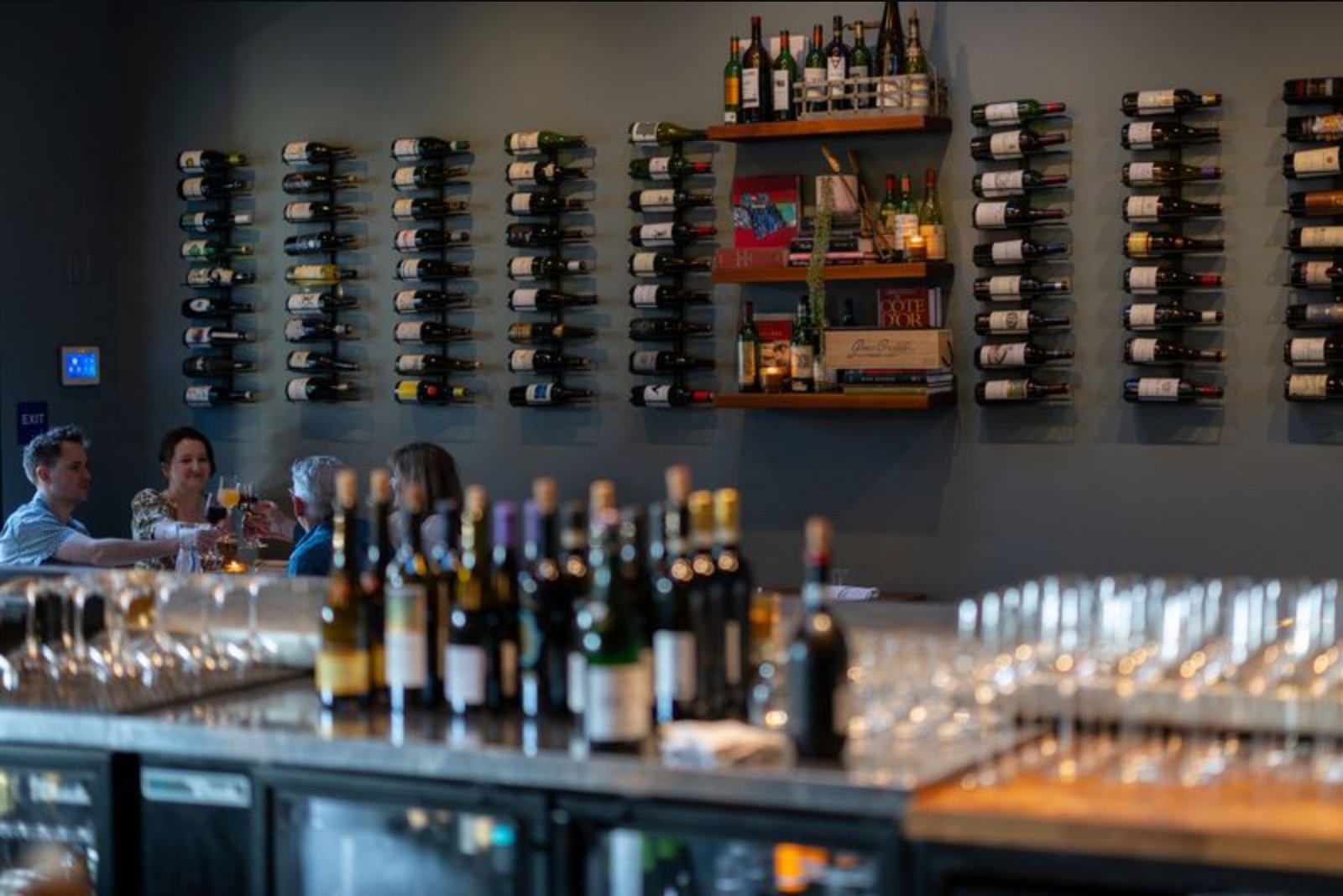
Several U.S. restaurants and retailers are removing longstanding champagne and cremant selections from their menus or replacing them with less expensive alternatives after recent tariff moves made those bottles materially more costly, according to industry buyers and wholesalers interviewed by five U.S. restaurants, retailers or wine and spirits wholesalers.
Kristen Goceljak, who buys wines for New York-based Kent Hospitality Group’s fine dining restaurants, bars and members’ clubs, said she began to phase out some labels after seeing wholesale prices climb. One champagne she had been purchasing for private events, previously retailing at $48 a bottle, rose by roughly $5 at her wholesaler. A cremant from the same supplier increased by about $3 a bottle. Other vendors have told her they are applying price hikes of as much as 20% this year, she said. Faced with those changes, Goceljak said she planned to swap out several cremant and champagne brands - products that can only be produced in France - for cheaper options. "It's just too expensive," she said.
The recent round of tariff adjustments on European goods began last August, when a U.S.-EU trade arrangement set the rate for many European imports at 15%. In February, a suite of tariffs introduced under U.S. President Donald Trump was overturned by the U.S. Supreme Court; those levies were quickly replaced with a new set of measures that left many European products facing at least a 10% surcharge. Separately, the sweeping tariff regime announced in April 2025 by the administration had an immediate effect on large shipments of alcohol bound for the United States.
European exports of wines, spirits and aperitifs to the United States were valued at about 9 billion euros in 2024, according to Eurostat data. Producers initially used several approaches to limit immediate price pain for U.S. consumers: shipping inventory ahead of the levies, absorbing tariffs within margins, or holding prices steady through peak selling months. But wholesalers and distributors say those measures are becoming harder to maintain as the additional costs accumulate.
Lance Emerson, senior vice president of commercial finance at Republic National Distributing Company, said the pressure to pass costs to buyers is intensifying. He described the trend as particularly pronounced in wine categories, where margins and pricing flexibility are more constrained than for many spirits producers, which typically have greater ability to absorb tariff-related costs. Emerson added that retail shelf prices on some imported wine brands had already climbed between 5% and 12% in 2025, and he expected further, more pronounced increases from additional suppliers in 2026.
Wholesalers and commercial intelligence leaders report that restaurants and retailers are responding in multiple ways. Menus are being revised to emphasize lower-cost wine and cocktail options; retailers are narrowing product ranges and balancing imported choices with domestic offerings; and some venues are replacing Old World wines with U.S. alternatives. Zach Poelma, senior vice president of commercial intelligence at Southern Glazer's Wine and Spirits, said that imported-to-domestic substitutions are likely to accelerate.
Sales volume data from wholesalers indicate changing consumer patterns in the short term. Imported wine volumes fell by about 8% between October and January, while domestic wine volumes were down roughly 3% over the same period, Poelma said, with similar trends observed through February. Trade body representatives said wholesalers are working directly with customers to refresh wine lists and cocktail programs, including proposing domestic replacements.
One example of a U.S. brand benefitting from these shifts is California-based Josh Cellars, which posted an 8.3% sales increase in the 13 weeks ending in mid-March, even as the broader wine category declined by 3.6% over the same timeframe. Dan Kleinman, chief marketing officer at Deutsch Family Wine & Spirits, the owner of Josh Cellars, attributed part of that performance to tariff pressure on imported competitors. Deutsch Family has held prices steady on both Josh Cellars and imported brands in its portfolio. Kleinman noted the typical price tolerance in on-premise U.S. venues, observing that the "sweet spot" for a glass of wine is around $10 to $12; moving above that range reduces the likelihood of a wine remaining on many menus. Josh Cellars Cabernet is priced at about $10 a glass.
Operators in Los Angeles are already feeling the squeeze. Owners of Wife and the Somm said they removed some Old World European wines from their by-the-glass list in favor of domestic bottles. They also reported dramatic price jumps this year for European artisanal cheeses and cured meats, which formed part of their charcuterie program. As a consequence, they moved their entire cheese and charcuterie offering to U.S.-sourced products, though in some instances they now pay more for American versions than they had for European imports.
Wholesalers expect the adjustments to continue as the industry works through inventory positioned prior to the tariff changes and as producers and suppliers reassess pricing. Some margins and stockpiles have helped delay the most visible effects on shelves and menus, particularly through the key holiday season from October to December, but sources say those buffers are wearing thin.
Summary: Tariff-driven increases on European alcohol imports have forced U.S. restaurants, bars and retailers to alter wine and food offerings. While some producers and distributors absorbed costs or pulled forward shipments to blunt the impact, rising wholesale prices are prompting a shift toward domestic wines and lower-cost labels. The effects are most pronounced in wine categories such as champagne and cremant, and wholesalers warn further price adjustments are likely.