
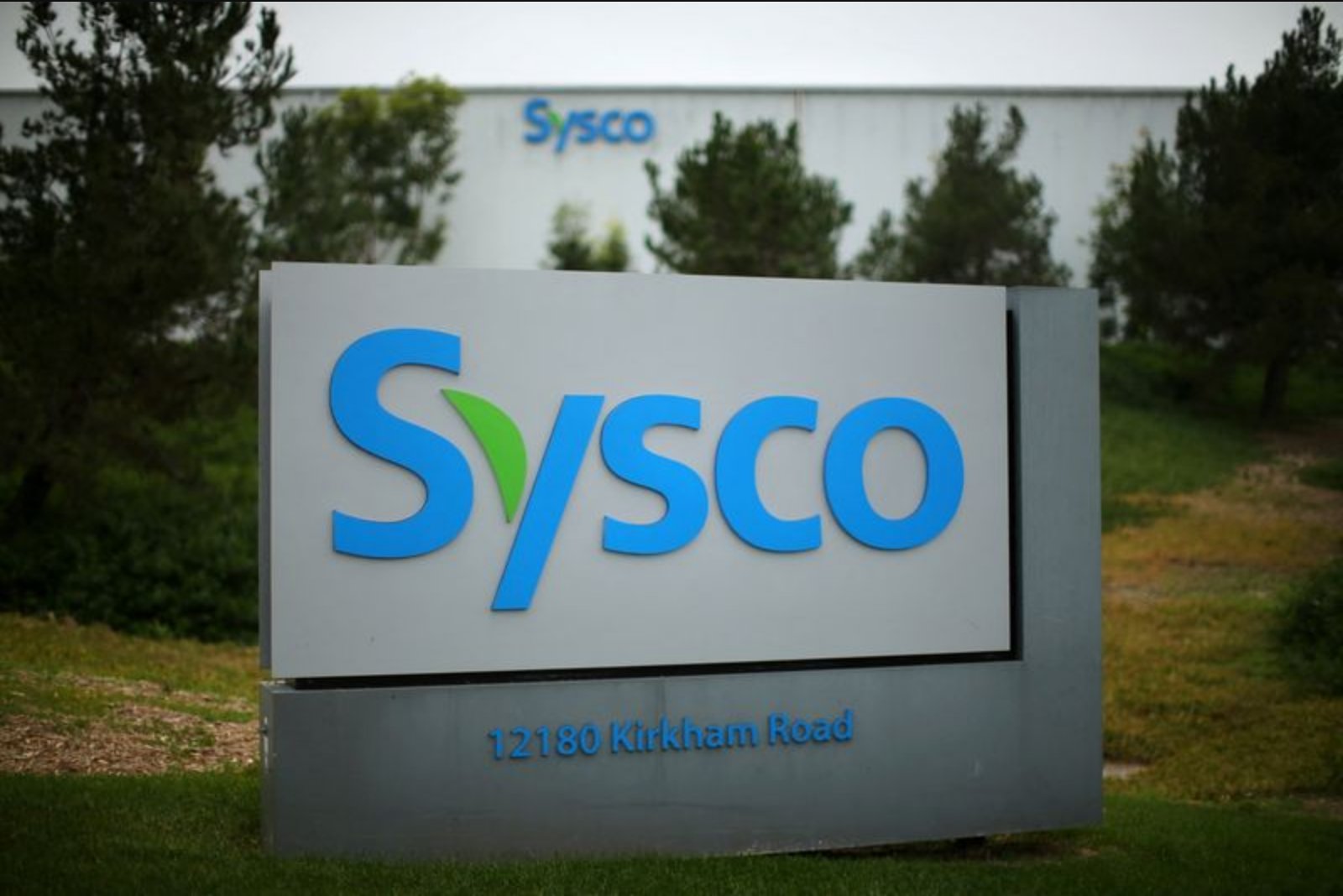
Sysco said on Monday it will acquire Jetro Restaurant Depot in a transaction valued at $29 billion including debt, expanding the distributor's reach among price-sensitive independent restaurants. The announcement sent Sysco shares down roughly 8% in premarket trading after the company said it would fund the purchase with $21 billion of new and hybrid debt plus $1 billion in cash and equity on hand. Sysco's market capitalization at the time was $39.2 billion.
The acquisition introduces Sysco to the cash-and-carry segment operated by family-owned Jetro, which runs a wholesale model where customers pay upfront for goods such as food, beverages and takeaway containers. Restaurant Depot operates about 166 warehouse locations across 35 U.S. states, a footprint that complements Sysco's existing delivery network serving restaurants, hospitals and hotels.
Sysco said the move will allow it to enter the higher-margin cash-and-carry business, which the company described as a way to provide more affordable and convenient options to smaller independent foodservice operators. "Sysco and Jetro Restaurant Depot will enhance value for small independent restaurants and the consumers they serve by expanding access to more affordable, fresh food products and delivering more choice and convenience," Sysco CEO Kevin Hourican said in a statement, noting the combination could help lower prices for more customers.
Under the terms announced, Restaurant Depot shareholders will receive $21.6 billion in cash and 91.5 million Sysco shares, a package that would give them a roughly 16% stake in the combined company, the firms said.
Company executives framed the deal as part of a wave of large transactions across consumer-facing industries as firms seek scale to manage softer demand and persistent cost pressures. The announcement follows recent merger discussions in other consumer sectors involving companies such as Unilever, Estee Lauder and Pernod Ricard, the companies noted.
The pact also comes against a backdrop of prior consolidation activity in the food-service distribution sector. Last year, US Foods ended merger talks with Performance Food, a combination that would have paired the nation's No. 2 and No. 3 distributors in an effort to challenge Sysco and reduce costs. In June 2015, a U.S. federal judge granted the Federal Trade Commission's request to block Sysco's proposed $3.5 billion acquisition of US Foods after the regulator argued the deal would create a dominant player that could raise prices on goods delivered to national customers.
On expected financial outcomes, Sysco said it anticipates the acquisition will lift earnings per share by a mid- to high-single-digit percentage in the first year following closing, which the company expects to complete by the third quarter of fiscal 2027. In connection with the transaction, Sysco said it was pausing its share repurchase program and reaffirmed its annual forecasts.
Sysco, known for supplying proteins, frozen goods and other foodservice items to chains including quick-service restaurants, had raised its full-year profit forecast earlier this year after demand held steady in the face of broader macroeconomic pressures. The company did not provide additional financial guidance beyond the EPS accretion expectation and the financing plan announced.
Context and strategic implications
- The acquisition gives Sysco significant exposure to a cash-and-carry wholesale model that serves value-oriented independent operators.
- Financing the deal predominantly with new and hybrid debt increases leverage on Sysco's balance sheet and triggered a market reaction as reflected in the premarket share decline.
- Restaurant Depot's nationwide warehouse footprint is intended to expand Sysco's channel reach beyond its traditional delivery business to hospitals, hotels and chain restaurants.
What remains to be seen
The companies have outlined the transaction economics and a timeline for closing by the third quarter of fiscal 2027, but integration details, potential regulatory review and how Sysco will manage the enlarged debt load will be areas to watch as the deal progresses.