
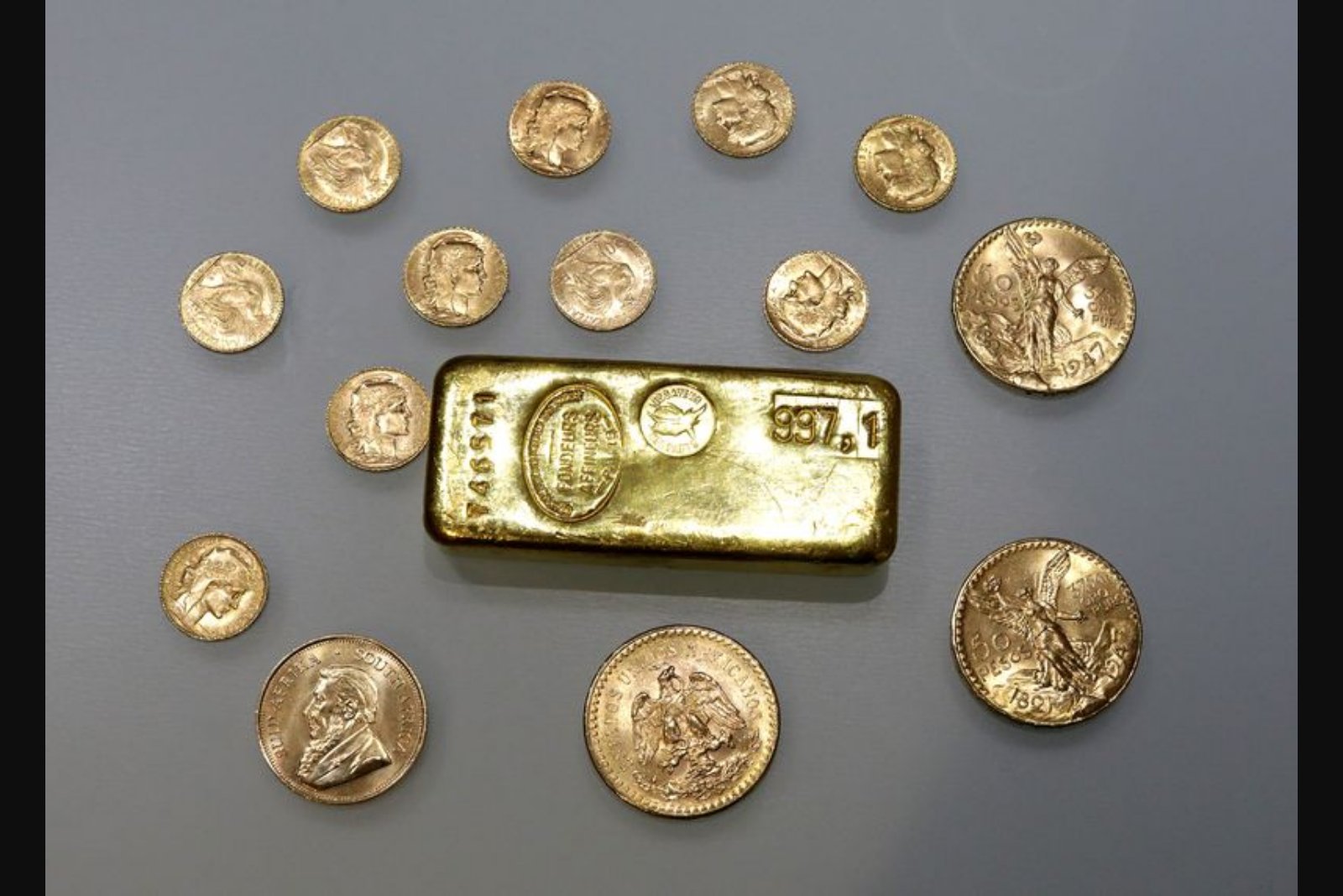
The recent jump in gold prices has accelerated demand for tokenized forms of the metal, a growing segment of the digital-asset space that converts physical gold into blockchain-issued tokens. Industry participants say the tokens allow both retail and traditional investors to gain exposure to gold without taking possession of coins or bars, but experts caution there are custodial and regulatory issues that may not be apparent to buyers.
Gold tokens are created by crypto firms that issue digital coins on distributed ledgers and claim each unit is backed by an equivalent amount of physical gold stored in vaults. Firms such as Paxos and Tether operate offerings in this niche, which has expanded quickly in recent months. Data from CoinGecko showed nearly 20 gold tokens with a combined market capitalization approaching $6 billion as of Monday, with Paxos and Tether together representing more than half of that aggregate market value. The overall sector has increased in size by more than four times since the end of 2024.
Investor protection under stress
Traders and analysts warn that sharp swings in the spot gold price could put pressure on investor protections tied to tokenized products. Spot gold raced to a record high of $5,594.82 on Thursday, only to record its largest one-day drop since 1983 the next day. Observers say such abrupt moves could trigger a wave of redemption requests for the underlying metal, potentially exposing shortcomings in how certain tokens are backed and managed.
One key worry is that, for some token offerings, details about where the physical gold is located and who controls it are not always clearly disclosed. That opacity, critics say, leaves token holders with less clarity than investors who participate in conventional gold markets.
"It’s not clear what you actually own when you buy any digital token ’backed’ by a physical asset," said Adrian Ash, head of research at online marketplace BullionVault. "If you needed to assert your ownership in a legal dispute, the court might decide that you in fact own only the token, not the gold."
Issuers of some tokens dispute the suggestion of inadequate protections. Paxos issued a statement saying it operates under federal oversight and that reserves are secured in the event of bankruptcy. Paxos said every token is 100% backed by fully allocated, institutional-grade physical gold held in London vaults and that tokens are redeemable for physical delivery at any time.
Tether did not provide a response to a request for comment, but on its website the company states that its Tether Gold product provides "ownership of real physical gold." Tether disclosed last month that it held about 16.2 tonnes of physical gold at the end of December as reserves for the token.
Broader tokenization trend and regulatory ambiguity
Tokenization has spread across a variety of asset classes over the last year, extending beyond commodities into stocks and bonds. Digital-asset firms argue tokenization can enable faster, and in some cases near-instant, settlement cycles, which can enhance liquidity and reduce transaction costs for market participants.
Nevertheless, critics point to the absence of a clearly defined U.S. regulatory framework for tokenized assets, which has led to inconsistency in investor protections. For gold tokens specifically, the central questions are whether the physical metal backing the tokens is held on a strict one-to-one basis, whether holdings are independently audited, and whether the metal is readily available for redemption when token holders request it.
The issue of ownership of the underlying metal has been the subject of legal disputes during past commodities-related bankruptcies, and some investors say adding a digital token layer could complicate similar contestations in the future. Michael Ashley Schulman, a partner and chief investment officer at Running Point Capital Advisors, emphasized the distinction between direct, bankruptcy-remote claims on specifically allocated bars and contractual claims against an issuer or custodian.
"Most of the risk sits off-chain in whether the token represents a direct, bankruptcy-remote claim on specific allocated bars or a contractual claim on an issuer and its custodians, and that huge distinction determines whether holders own an asset or own a promise," Schulman said.
Oversight of tokenized assets remains unsettled. A bill working its way through Congress would place responsibility for such products with the Commodity Futures Trading Commission, but it is unclear whether the legislation will ultimately be enacted. Observers say any custodial arrangement of this kind poses operational and legal challenges.
"Anytime you have got a custodial arrangement like this, it is challenging," said Campbell Harvey, a professor of finance.
Demand dynamics and market positioning
Investors have long used gold as a hedge against inflation, and the recent rally in the metal - amplified by geopolitical tensions that boosted demand for safe-haven assets - has contributed to renewed interest in tokenized gold. Some analysts say the surge in token adoption reflects engagement from a newer, younger cohort of investors who may be disillusioned by the price performance of other crypto assets.
Independent analyst Ross Norman said the rapid rise in the popularity of gold-backed tokens may be driven by younger investors who became interested in gold amid slumping momentum in bitcoin. Over the same period that gold strengthened, bitcoin - widely followed as another inflation hedge in crypto portfolios - weakened and was down around 38% from its October peak.
Paxos reported record inflows into its gold token in January, increasing the token's market value by the equivalent of roughly 1.68 metric tonnes of gold and raising its total physical holdings in London to more than 13 metric tonnes. Proponents of tokenized gold argue it has the potential to supplant bitcoin as the preferred inflation hedge within some crypto investment allocations.
"We are going to have around 10% in bitcoin and 10% to 15% in gold," Paolo Ardoino, chief executive officer of Tether, said in an interview last month when discussing his company's investment posture. "It’s hard to decide which one I like the most," he added.
As tokenized gold products continue to gain traction, market participants and regulators will be watching whether rapid price swings expose weaknesses in custody arrangements, audit practices and legal clarity. The combination of volatile precious-metal prices and an evolving regulatory framework may test whether token issuers can deliver the transparency and protections that investors expect when they buy an asset tied to a physical commodity.