
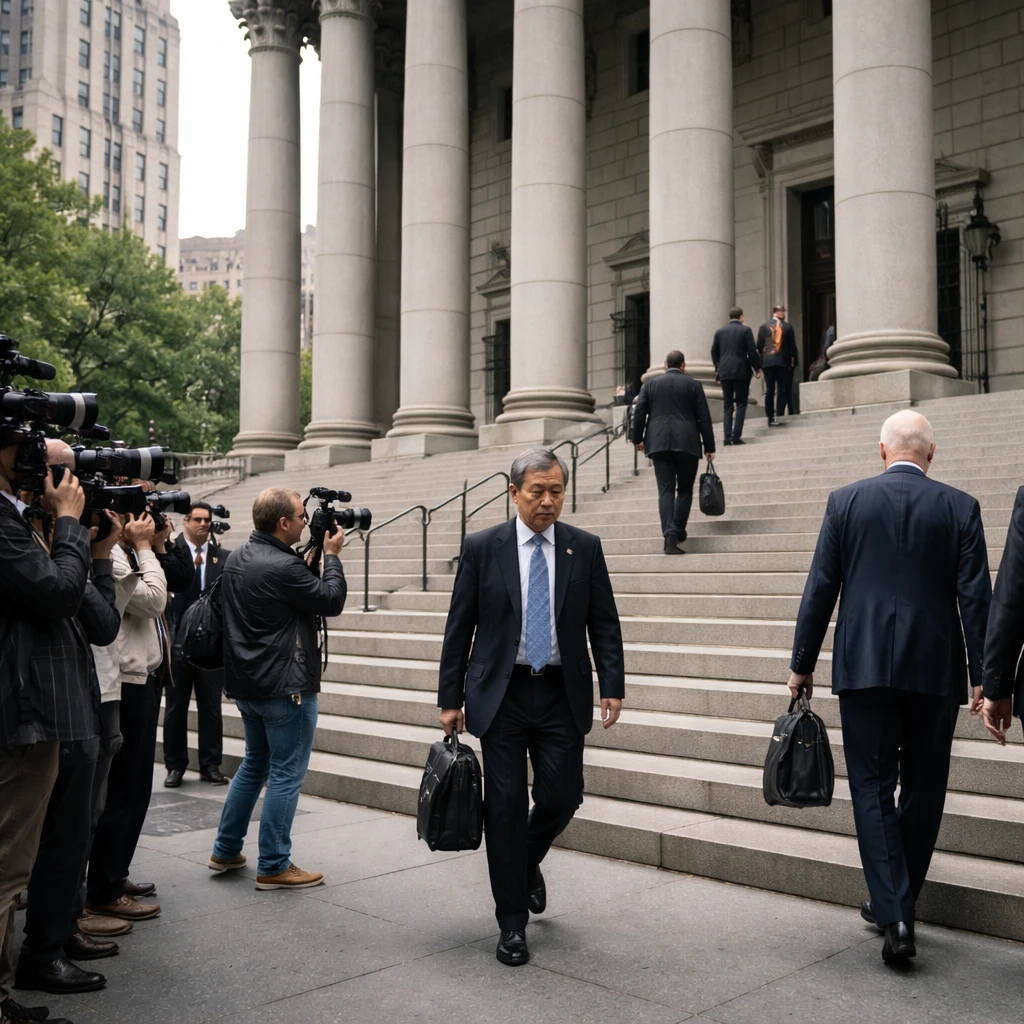
Yih-Shyan "Wally" Liaw, a co-founder of Super Micro Computer Inc., entered a plea of not guilty Wednesday in a Manhattan courtroom to federal charges that he illegally diverted servers powered by Nvidia Corp. chips to Chinese customers, prosecutors said. The indictment alleges the scheme involved billions of dollars worth of U.S.-assembled hardware shipped in contravention of U.S. export rules.
Federal prosecutors say Liaw and two other individuals tied to Super Micro sold servers to an unnamed Southeast Asian intermediary and then coordinated shipments onward to customers in China. The government characterizes the case as a major enforcement action targeting the alleged smuggling of restricted artificial intelligence technology to China.
Also charged in the indictment were Ruei-Tsang "Steven" Chang, identified as a general manager in Super Micro’s Taiwan office, and Ting-Wei "Willy" Sun, described by authorities as an outside contractor who acted as a "fixer" to assist in the diversion. Sun pleaded not guilty at the same hearing before U.S. District Judge Edgardo Ramos. Chang was not taken into custody.
According to court filings reported at the hearing, Sun’s attorney said the lawyer is working with prosecutors to assemble a bail package for his client. Liaw was released on a $5 million bond. No additional custody status was reported for Chang.
Judge Ramos scheduled the case for trial beginning November 2. The timeline sets the matter on a collision course toward a potentially high-profile criminal trial later in the year.
The disclosure of the smuggling allegations on March 19 prompted a steep fall in Super Micro’s share price, and Liaw subsequently resigned from the company’s board. Those market and governance developments followed the appearance of the charges in public filings and news reports.
Context limitations: The public court filings and the hearing record provide the basis for these allegations and the attendant procedural steps. The charges and procedural events described above reflect what prosecutors have alleged and what occurred at the March hearing; they do not constitute findings of guilt.