
Stifel has moved to a more favorable stance on Shake Shack's shares even as the fast-casual burger operator posted first-quarter results that fell short of expectations and reported softer sales in April. The brokerage raised its rating on the stock to Buy from Hold, while cutting its target to $85 from $105, saying the market reaction to recent results has been overly punitive.
The firm pointed to the stock's discounted valuation as a key factor behind the upgrade. Stifel noted Shake Shack now trades at roughly 12.5 times next-twelve-month EBITDA, a level the brokerage described as a decade-low multiple. That compressed valuation, the analysts argued, creates an appealing entry point for investors prepared to look past short-term volatility.
Stifel's investment case rests on several operational and financial levers. The brokerage expects the chain to generate meaningful long-term earnings growth by leveraging operating scale and widening restaurant margins. Management initiatives to pare back general and administrative costs and to boost free cash flow generation were flagged as central catalysts that could prompt a future multiple expansion.
Although same-store sales decelerated in April, Stifel reported an uptick in traffic in early May following the rollout of the company's Smoky BBQ menu. The firm kept its second-quarter same-store sales projection unchanged at 3.5%, which implies it anticipates momentum to pick up through the remainder of the quarter. Analysts also highlighted Shake Shack's exposure to U.S. World Cup host markets as a potential support for demand later in the year.
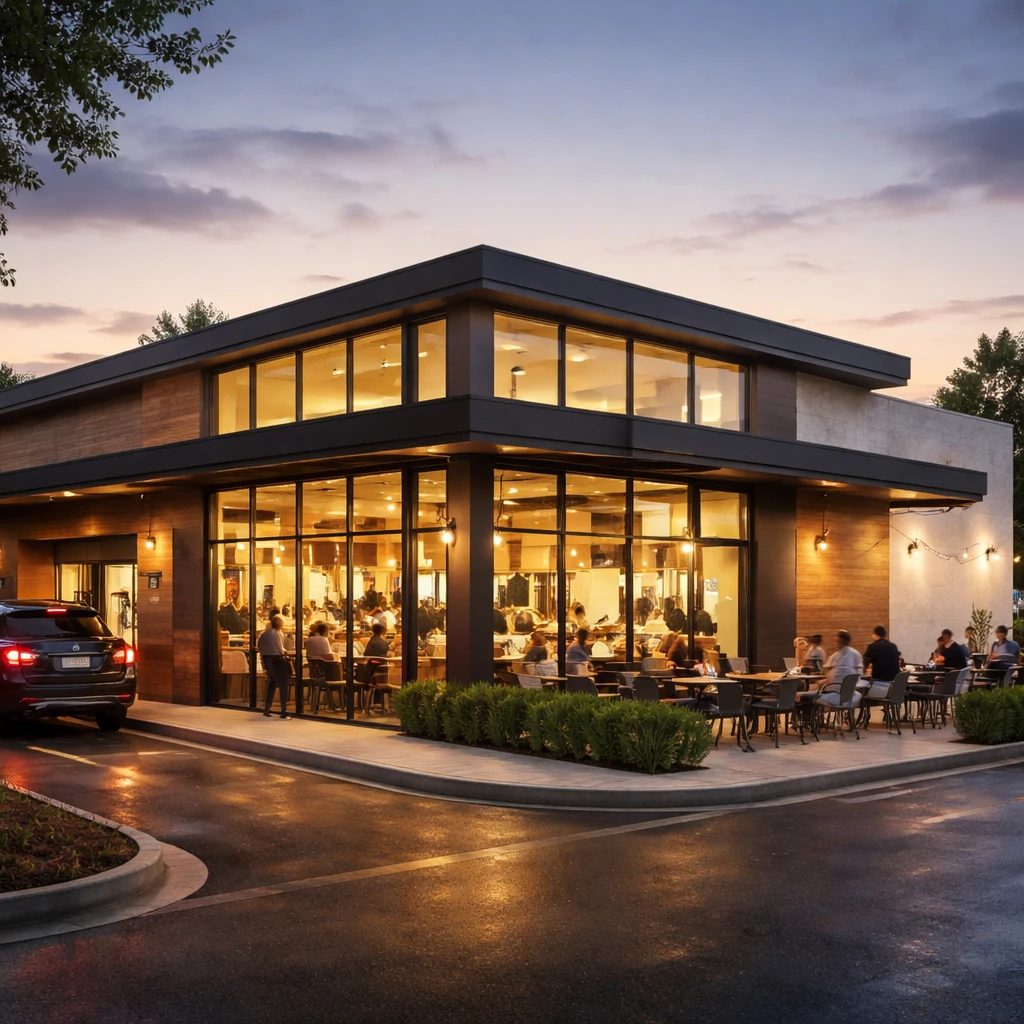
Looking further out, Stifel said the long-term growth profile for Shake Shack remains intact. The firm cited a plan for mid-teens unit expansion, continued menu innovation, digital engagement initiatives, and operational improvements aimed at increasing throughput and enhancing the customer experience. New restaurant prototypes, including drive-thru formats, were specifically identified as evidence that the company can scale more than 1,500 locations globally over time.
In sum, Stifel's move reflects a view that current share pricing overstates near-term challenges and underweights the potential payoff from margin expansion, cost discipline, and growth initiatives. The reduced price target signals some caution on timing, but the upgrade indicates confidence in the company's ability to translate operational changes into stronger earnings and cash flow over the long run.