
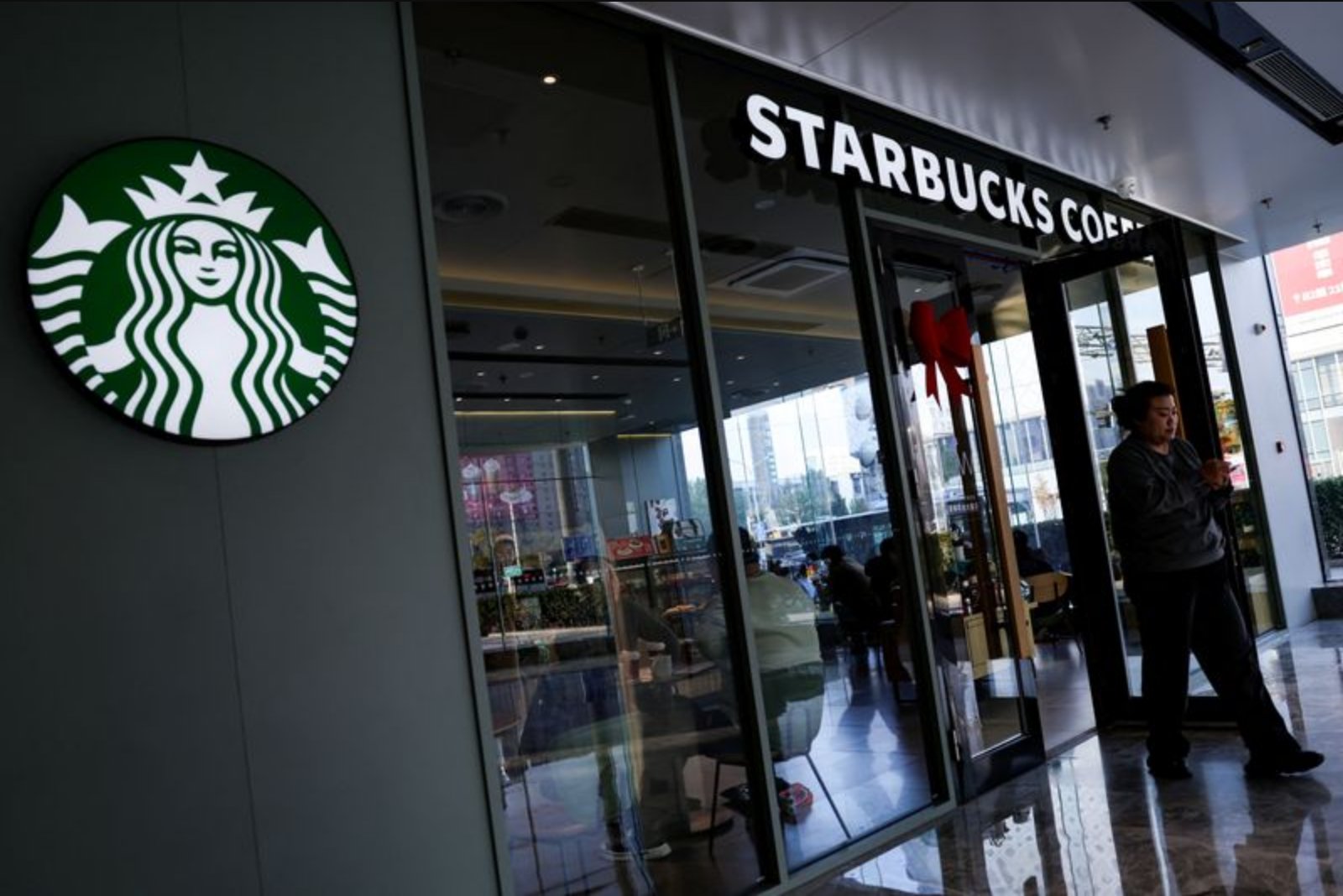
April 2 - Starbucks has completed the previously announced transaction with funds managed by Boyu Capital that hands control of its China business to the investment group, the company said Thursday.
The agreement, the contours of which were disclosed in November, gives Boyu-managed funds a 60% stake in Starbucks' China store operations. Starbucks will keep the remaining ownership share and will continue to license the Starbucks brand and associated intellectual property to the new venture.
Starbucks framed the deal as a strategic step to invigorate the company's growth in China, the world's second-largest economy, where lower-priced local rivals such as Luckin and Cotti have been successful in gaining customers and market share.
Molly Liu, chief executive officer of Starbucks China, said in a statement the partnership with Boyu will enable "hyper-localization" of the Starbucks brand in China. The company noted the country currently hosts about 8,000 Starbucks stores.
Under the terms discussed by the companies, the enterprise aims to increase that footprint substantially. With Boyu as the majority partner in the China venture, Starbucks said the plan is to expand the store base to roughly 20,000 locations.
The completed transaction shifts operational control of the China stores to Boyu-managed funds while preserving Starbucks' role as the licensor of its name and intellectual property, a structure the company intends to use as it pursues an accelerated growth trajectory in the market.
Context and strategic considerations
The move is intended to position Starbucks to respond more assertively to local competitors that have pursued lower pricing strategies and rapid footprint growth. By placing a majority stake with Boyu, Starbucks is signaling a willingness to partner with a local investment group to drive expansion and tailor the brand to regional preferences.
Operational scale
Existing operations in China total about 8,000 stores. The stated target of 20,000 stores would represent a significant scaling effort for the joint venture, encompassing site selection, store development, supply chain coordination, and workforce deployment across Chinese markets.
Bottom line
Starbucks has closed its deal with Boyu Capital, ceding majority control of its China store operations while maintaining a licensing role. The partnership aims to accelerate growth and localize the brand in a market where domestic rivals have gained traction through lower prices. The company plans to expand its China store count from roughly 8,000 to 20,000 under the new arrangement.