
Overview
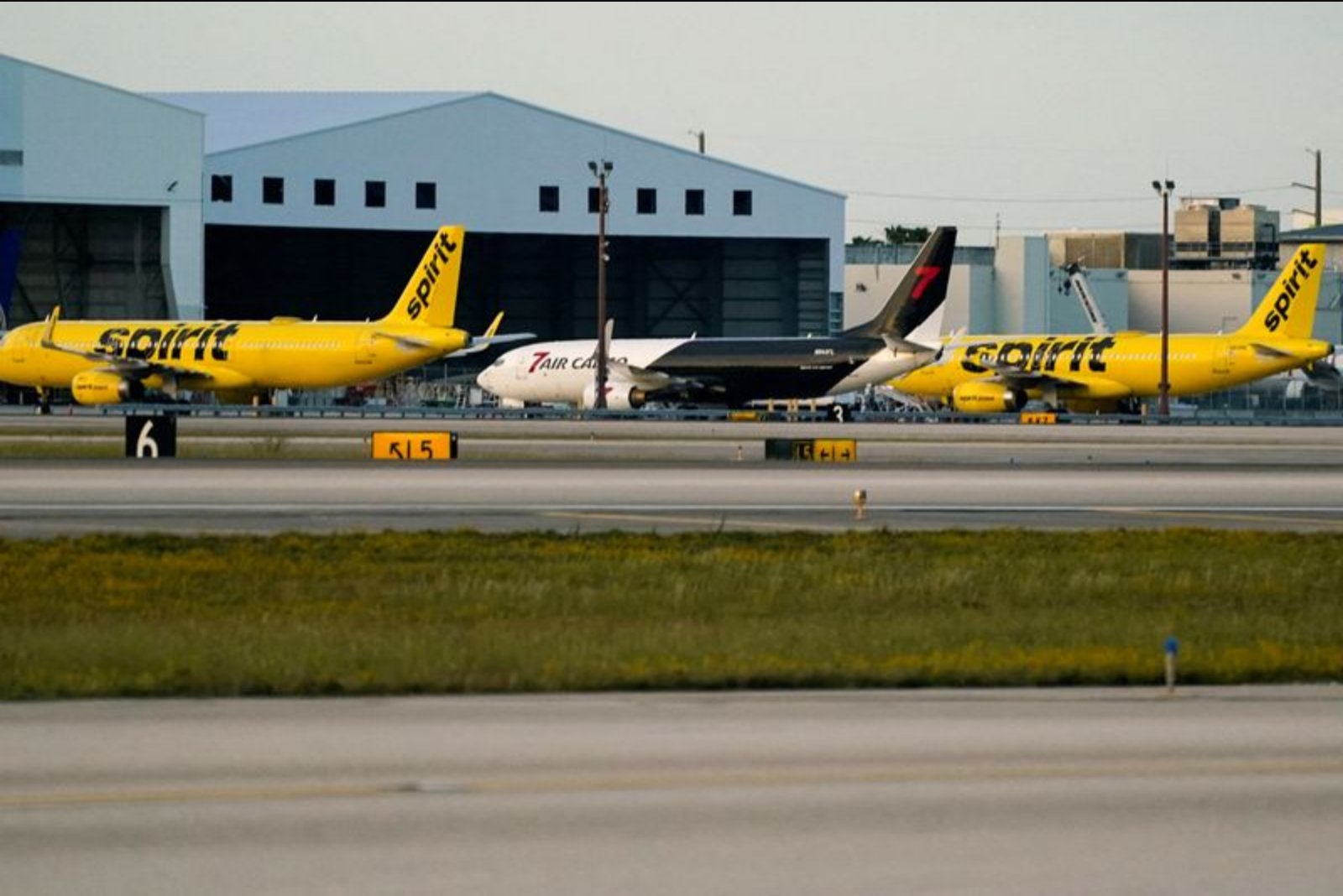
The decision by Spirit Airlines to stop flying its Airbus-only fleet on May 1 and accelerate asset sales under bankruptcy supervision has produced an unexpected source of spare engines for airlines and maintenance providers. Several industry executives and analysts say the availability of Spirit A320neo airframes has encouraged dismantling and the harvesting of next-generation RTX Pratt & Whitney Geared Turbofan (GTF) engines to support other grounded late-model single-aisle aircraft.
Supply pressure and temporary relief
Spirit's grounding, prompted in part by elevated jet-fuel prices, is adding to an ongoing trend in which near-new A320neos are being stripped for parts amid a pronounced shortage of GTF spare engines. Austin Willis, chief executive of Willis Lease Finance Corp, said some GTF units are being removed from Spirit airframes and placed on lease to support aircraft currently on the ground. He noted that leasing rates for GTF engines have not fallen, and that these moves provide limited short-term relief for the imbalance between supply and demand.
Industry participants point to multiple causes behind the pressure on spares: long queues for engine inspections and repairs, and a manufacturing issue at Pratt & Whitney that constrained GTF output. The result has been hundreds of A320neo jets sidelined worldwide. GTF powerplants now equip at least 40 percent of A320neo aircraft in service and compete with CFM International's LEAP engines for operator contracts.
Where the parts are coming from
Consultants and aftermarket firms describe a market in which engines can be worth considerably more to buyers than the airframes that housed them. KP Aviation, an Arizona-based supplier, said several former Spirit aircraft are actively being marketed for disassembly and teardown. Scott Butler, KP Aviation's chief commercial officer, characterized engines as the primary source of value, adding that there may be less demand for the airframes themselves as more Spirit aircraft enter the market.
Dublin-based EirTrade Aviation and Chicago-based lessor RESIDCO disclosed plans in February to dismantle two near-new Spirit A320neos for parts. KP Aviation also plans to disassemble five-to-six-year-old planes from an earlier group of bright-yellow Spirit aircraft that returned to the market in late 2025, according to the company. After engines, Butler said there is appetite for auxiliary power units, landing gear, and flight controls.
Industry consultant Dick Allewelt, founder of Allewelt Aviation Consulting GmbH, said teardowns of some Spirit aircraft could ease the spare engine market over time. Several lessors that had placed late-model jets with Spirit declined to comment when asked, and at least one large lessor was not immediately available to respond.
Responses from manufacturers and lessors
RTX, which encompasses Pratt & Whitney, declined to comment on the recent events cited by industry participants. In April, the company said grounded A320neo cases were beginning to decline as repair shops expanded capacity. Airbus has publicly raised concerns about shortages of GTF units for new aircraft and the competition between final assembly lines for new jets and operators awaiting repairs. Lars Wagner, chief executive of Airbus' Commercial Aircraft business, declined to comment specifically on GTF availability during a recent interview.
Court filings associated with Spirit's bankruptcy indicate the carrier had 114 Airbus A320-family aircraft as of May, 66 of which were leased. The filings show that Spirit had 17 GTF engines owned by lessors, and lessors also own roughly 30 planes fitted with GTF engines. Industry sources cautioned that those lessor-owned A320neos are unlikely to be available on the market for at least several months, as lessors assemble detailed technical records on each asset before offering them for sale or teardown.
Bankruptcy process accelerates disposition
Earlier in the week, a U.S. bankruptcy court approved a request to speed up Spirit's liquidation plan, enabling expedited sales of aircraft. That legal permission is helping to push more airframes and their components into channels where engines can be leased or sold to operators with grounded aircraft facing long repair wait times.
Market implications
While the dismantling of Spirit jets and subsequent leasing of GTF engines is described by market participants as providing a measure of relief, executives stress that the effect is limited and likely temporary. Many grounded A320neos remain awaiting inspections and repairs, and the alignment of incentives between lessors, repair facilities, and operators will shape how quickly spare engine availability improves.
Investor advisory excerpt included in original reporting
The reporting included a separate investment-oriented passage asking whether an investment of $2,000 in the ticker AIR would be appropriate, followed by a description of an AI-driven stock evaluation product called ProPicks AI. That text noted ProPicks AI assesses companies using over 100 financial metrics and claims to identify risk-reward opportunities without bias, citing past winners as examples. The original piece offered readers a prompt to explore whether AIR is featured in any ProPicks AI strategies or if other opportunities exist in the same sector.
Reporting for this analysis incorporated statements and data supplied by industry executives, court filings, and public comments by manufacturers and market participants included in the material reviewed.