
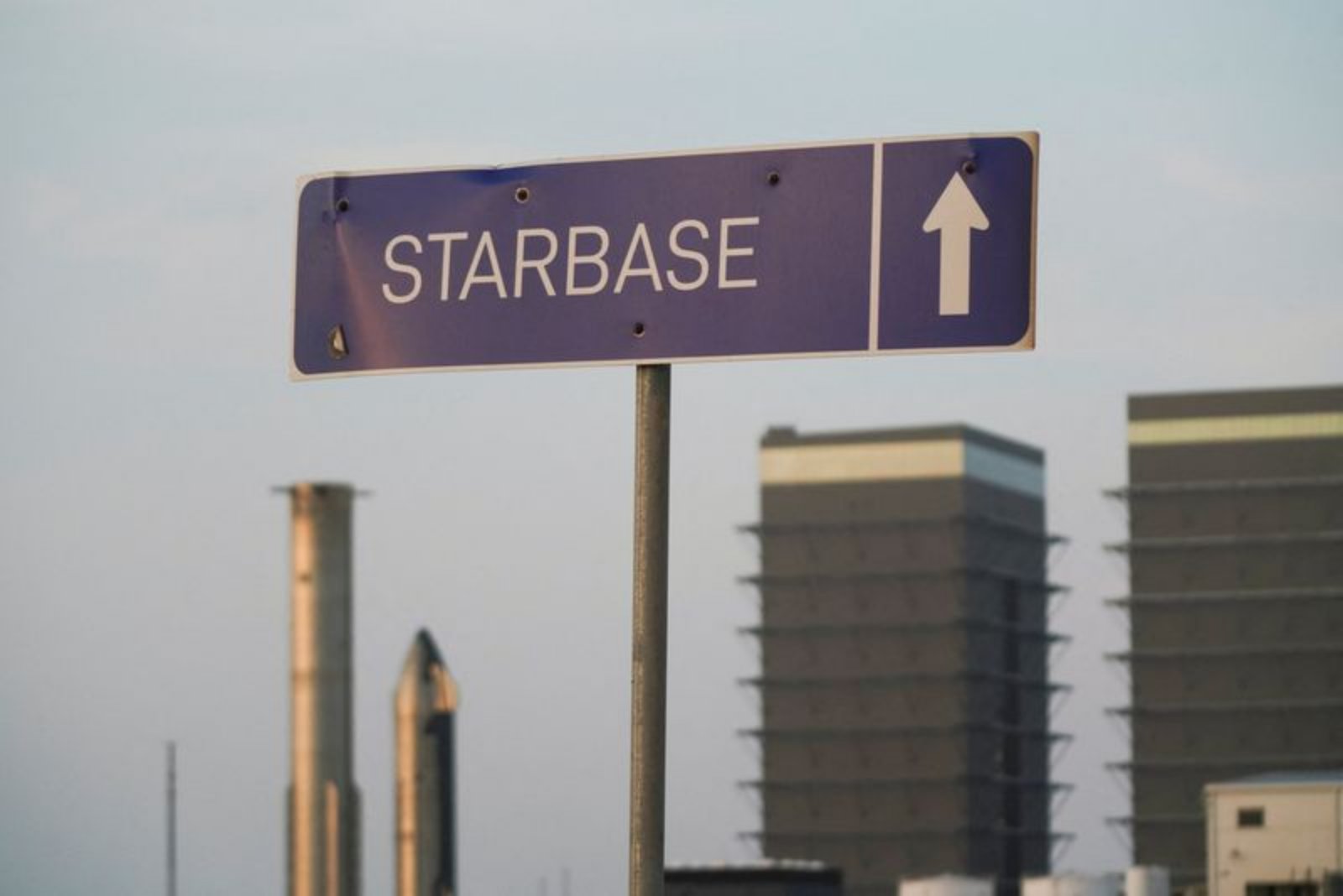
SpaceX has taken a formal step toward a U.S. initial public offering by filing confidentially, moving the company closer to a potential blockbuster listing. The filing, reported in early April, follows more than two decades of development, high-profile achievements and notable setbacks that have defined the company’s rise.
This account traces the company’s progression from its founding to the IPO filing, detailing key launches, contracts, program milestones and recent strategic shifts.
Founding and early launch attempts
March 2002 - Elon Musk established SpaceX using proceeds from the sale of PayPal.
March 2006 - The company launched its first rocket, the Falcon 1, but that maiden flight failed.
September 2008 - The Falcon 1 achieved its first successful launch, becoming the first privately developed liquid-fuel rocket to reach Earth’s orbit.
Commercial contracts and the first private ISS missions
December 2008 - SpaceX secured its first major contract with NASA to transport cargo and supplies to the International Space Station (ISS).
May 2012 - A Dragon capsule, launched atop a Falcon 9 rocket, went to space and docked with the ISS, marking the first time a private spacecraft completed such a docking.
Development of reusability and test setbacks
June 2015 - A Falcon 9 rocket exploded in mid-air.
December 2015 - The Falcon 9 achieved its first successful vertical landing, a soft touchdown that represented the first controlled recovery of a large rocket after delivering a payload into orbit.
February 2018 - The inaugural Falcon Heavy launch carried Elon Musk’s Tesla Roadster and its mannequin driver, Starman, into space.
April 2019 - A Crew Dragon test vehicle capsule exploded during a ground test.
Starlink, operational milestones and crewed missions
May 2019 - SpaceX began launching Starlink satellites, establishing a constellation designed to deliver high-speed internet from space to paying customers globally.
October 2020 - The company completed its 100th successful Falcon rocket flight since Falcon 1 first reached orbit in 2008.
November 2020 - The Crew-1 mission became the first operational crewed flight under NASA’s Commercial Crew Program.
September 2021 - SpaceX launched the first all-civilian crew ever to circle the Earth.
Interplanetary, planetary defense and lunar programs
November 2021 - A SpaceX rocket carried NASA’s Double Asteroid Redirection Test (DART) mission into an interplanetary transfer orbit, the mission being the world’s first test of a planetary defense system intended to prevent a potential asteroid collision with Earth.
April 2021 - NASA awarded SpaceX the contract for the first commercial human lander, as part of its Artemis program.
Starship development, failures and operational impacts
April 2023 - The first Starship rocket exploded after losing control.
November 2023 - A Starship launch failed minutes after reaching space.
January 2025 - SpaceX’s Starship rocket broke up in space minutes after launching from Texas, an event that forced airline flights over the Gulf of Mexico to alter course to avoid falling debris.
June 2025 - Starship exploded during a ground test.
Legal, strategic and corporate moves
November 2023 - A U.S. judge blocked the Department of Justice from pursuing an administrative case that accused SpaceX of illegally refusing to hire refugees and asylum recipients.
February 2026 - SpaceX acquired Elon Musk’s artificial-intelligence startup xAI in a transaction reported at $250 billion, bringing together the company’s satellite and rocket operations with an AI developer that created the Grok chatbot.
February 2026 - The company articulated a shift in focus toward building what Musk described as a "self-growing city" on the moon.
March 2026 - A NASA official stated that Starship has accumulated at least two years of development delays since NASA selected the rocket as an astronaut moon lander in 2021, and that additional time will be required to clear remaining technical hurdles before a lunar landing can be attempted.
April 2026 - IPO filing
April 2026 - SpaceX confidentially filed paperwork to pursue a U.S. initial public offering, a move that lays the groundwork for what could be one of the largest stock market flotations if and when it proceeds to a public listing.
The confidential filing represents a significant corporate milestone that follows a long sequence of operational achievements, high-profile experiments, commercial service rollouts and regulatory and legal events. The company’s record of both successful missions and notable failures is central to the narrative that precedes this IPO filing.
While the filing itself does not disclose an offering size or timetable publicly, the step signals that SpaceX is preparing to transition certain aspects of the private business to public markets, subject to the usual regulatory and market processes.