
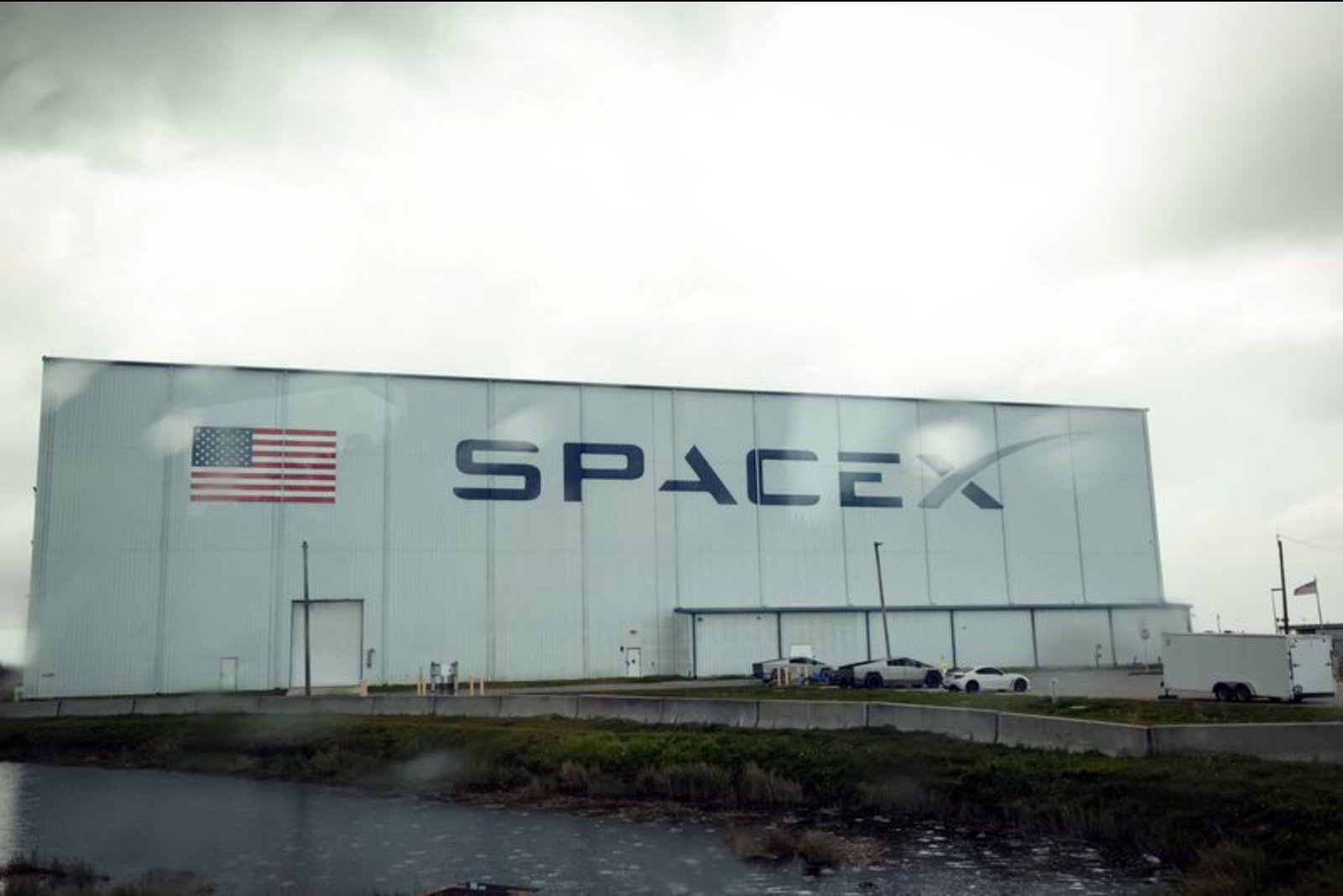
As a potential SpaceX initial public offering edges toward what could be a $75 billion valuation, bankers and analysts are raising red flags about the effect a deal of that magnitude could have on the broader IPO market. The concern is straightforward: a single, headline-heavy listing could soak up a disproportionate share of investor interest and underwriting resources, leaving little room for other companies that had hoped to take advantage of a revived IPO window.
Market participants point to the depth and liquidity of U.S. exchanges as a key strength for issuers. Yet they also say that depth will be tested if a mega-deal such as the SpaceX offering arrives while many other firms seek to list in 2026. Several bankers and analysts told Reuters that the SpaceX transaction would likely divert investor attention and capital, and that companies planning to come to market may choose to delay in order to avoid being overwhelmed by the media and investment-banking focus on the space venture.
"History tells us that a mega IPO like SpaceX can suck up the oxygen in the market. We saw that with Facebook in 2012," said Matt Kennedy, senior strategist at Renaissance Capital. He added that IPOs are major marketing events, and many companies will not want their offerings to be drowned out by the noise surrounding a SpaceX listing. The implication, he said, is that listing activity may slow during the weeks around such a headline deal.
U.S. equity markets have already seen a muted start to the year on the IPO front. Renaissance Capital data show 35 IPOs have priced so far this year, a decline of 37.5% compared with the same period last year. That contraction could accelerate if investor attention and underwriting capacity become concentrated around a handful of very large transactions, clouding expectations for a broader resurgence in 2026.
Broader market frictions compound the challenge
Analysts and bankers note that the IPO pipeline for the coming year is among the largest in decades, yet a number of macro and market-specific disturbances are already weighing on the odds that all those deals will reach the market successfully. The war in Iran, rising oil prices, concerns about private credit availability and AI-driven disruption hitting legacy software companies have combined to raise the bar for which IPOs can cut through volatility and capture investor demand.
Against that backdrop, an exceptionally large and high-profile offering would add another layer of competition for attention. While large clients of major banks are likely to be advised to avoid launching deals that would coincide with the SpaceX event, market watchers say that a different dynamic could emerge for smaller offerings.
"Smaller IPO debuts may benefit from a tag-along effect in retail enthusiasm that could mentally lump IPOs together under the assumption that if one does well, others will too," said Michael Ashley Schulman, partner at Cerity Partners. In other words, smaller listings might see secondary benefits from increased retail interest sparked by a market spectacle, even as institutional focus concentrates on the mega-deal.
Timing pressures and additional mega-deal competition
Picking the right window to list is often as important as the company’s fundamentals. Historically, May and June present an attractive corridor before markets enter a summer lull and larger offerings are typically postponed until the autumn. Bankers working around the SpaceX process say Musk is aiming for a June listing, while OpenAI and rival Anthropic are reportedly targeting the second half of the year for their potential debuts.
PitchBook analyst Kyle Stanford noted that the presence of several very large listings could have lasting effects on the IPO cycle. In a report, Stanford said the attention span of the market for mega deals could push a broadly open IPO window into 2027. He illustrated the potential scale by noting that if SpaceX raised between $50 billion and $75 billion and OpenAI and Anthropic combined for another $50 billion, those totals would approximate the aggregate amount raised by U.S. venture capital-backed company IPOs over the past decade.
Stanford added that it is not only media attention these mega-deals would claim. He warned underwriting capacity would also be constrained, because the sheer sums sought by a handful of blockbuster offerings could capture much of the capital that underwriters typically allocate across deals.
The Musk effect and the absence of a precedent
SpaceX sits in uncharted territory; no offering of this scale has been attempted in the U.S. IPO market. That lack of direct precedent creates uncertainty about how demand will actually manifest. Observers point out that Musk’s brands, the promise of space assets like Starlink, and broader technological themes can generate intense marketing interest from investment banks and public enthusiasm among investors.
"SpaceX is going to be big, no doubt about it," said James Angel, faculty affiliate at Georgetown McDonough’s Psaros Center for Financial Markets and Policy. Angel highlighted the combination of well-known brands, technological themes and Musk’s capacity to attract attention as factors that will make it straightforward for bankers to drum up initial interest in an offering.
Elon Musk’s track record of commanding investor attention across market cycles is well-known, and his businesses have at times dominated investor flows. That pattern has been described by analysts as the accumulation of capital around a single entrepreneur’s ventures. The phenomenon is best seen in prior listings associated with Musk’s ecosystem.
As an historical data point, Tesla raised $226 million at its 2010 IPO at a market value of roughly $1.6 billion. Today, Tesla is a vastly larger company in market capitalization terms, now valued at more than $1.3 trillion. While past successes tied to Musk-backed companies illustrate his ability to attract capital and deliver long-term growth in certain cases, market participants warn the current IPO environment may blunt that gravitational pull.
"We don’t believe that SpaceX can escape the realities of the U.S. IPO marketplace, in the sense that it has become a buyer’s market," said Josef Schuster, CEO of IPOX. Schuster emphasized that even compelling IPO candidates in attractive sectors must remain flexible on pricing and could face downward pressure to secure successful listings.
Systemic pressures if many large offerings coincide
Beyond headline effects and underwriting constraints, some experts warn of a broader structural risk if multiple mega-deals hit the market in a concentrated timeframe. A surge of new listings followed by secondary offerings could, in extreme scenarios, overwhelm buyers and push markets away from equilibrium.
"There is an old market saying that bull markets end when the money runs out, and there are plenty of historic examples where a deluge of IPOs and new stock market entrants, and then subsequent secondary offerings, meant sellers eventually swamped buyers," said AJ Bell investment director Russ Mould. This risk, if materialized, would affect not just issuers and underwriters but also secondary market liquidity across sectors that participate in high volumes of public issuance.
What lies ahead
For companies weighing the decision to go public in 2026, the calculus now includes not only macroeconomic and geopolitical variables but also the potential for a single listing to dominate attention and capital flows. Bankers are likely to steer larger clients around any timing conflict with a SpaceX transaction, while some smaller debuts may seek to capitalize on ancillary retail interest.
Ultimately, the coming months will test the resilience of the U.S. IPO ecosystem. The size and spectacle of a SpaceX offering - should it proceed at or near the levels being discussed - will be a real-time experiment in how markets allocate attention, capital and underwriting capacity when confronted with a blockbuster supply of new equity. Whether that experiment crowds out other listings or lifts some by association remains an open question among market participants.