
SpaceX has acquired xAI, Elon Musk's artificial intelligence venture, the companies confirmed in a letter released by SpaceX on Monday. The announcement frames the transaction as a strategic step toward combining AI research and deployment with SpaceX's launch and satellite capabilities.
In the written statement, Musk set out an ambition to create "the most ambitious, vertically-integrated innovation engine on (and off) Earth," bringing together AI, rocket systems, space-based internet and communications technologies into a single organizational effort.
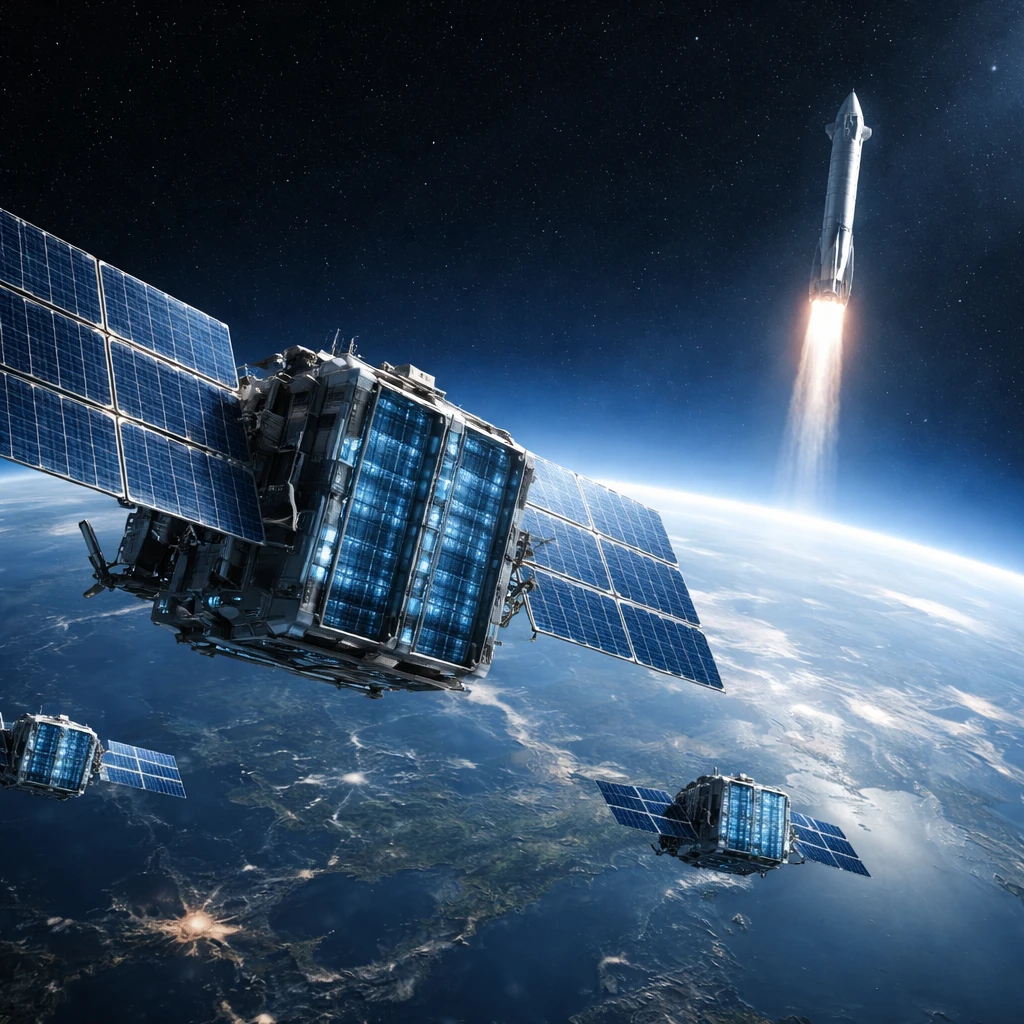
Musk signaled that the acquisition is intended to tackle what he describes as unsustainable energy demands from terrestrial AI data centers. His proposal envisions deploying a constellation of satellites that would operate as orbital data centers powered by solar energy, moving a portion of compute capacity off the ground.
"In the long term, space-based AI is obviously the only way to scale," Musk wrote in the letter. He added an estimate that "within 2 to 3 years, the lowest cost way to generate AI compute will be in space." The plan sets out an operational model that would leverage SpaceX's Starship rocket to deliver what Musk characterized as "millions of tons" of satellites per year.
According to the outline in the announcement, each satellite would deliver on the order of 100 kW of computing capacity. Musk suggested that scale-up could amount to roughly 100 gigawatts of AI compute capacity added annually under this approach.
The acquisition comes as the private space company remains the subject of market speculation about a potential initial public offering, with some reports suggesting that such a listing could imply a valuation as high as $1.5 trillion. The company has not provided additional detail on any listing timetable in the announcement.
The confirmation of the SpaceX-xAI combination has also refocused attention on Tesla, amid reports late last week that the billionaire entrepreneur was considering a possible tie-up between SpaceX and Tesla. That report, which cited unnamed sources, said such a deal could draw interest from infrastructure investors and Middle Eastern sovereign funds. Musk has not commented on the possibility of combining SpaceX and Tesla.
The move to fold xAI into SpaceX and the concept of solar-powered orbital data centers underscore an effort to link compute demand, launch capacity and satellite communications under one roof. The announcement leaves open a number of execution questions, including timelines for building and launching the proposed satellite fleet and the commercial arrangements that would support large-scale orbital compute deployment.