
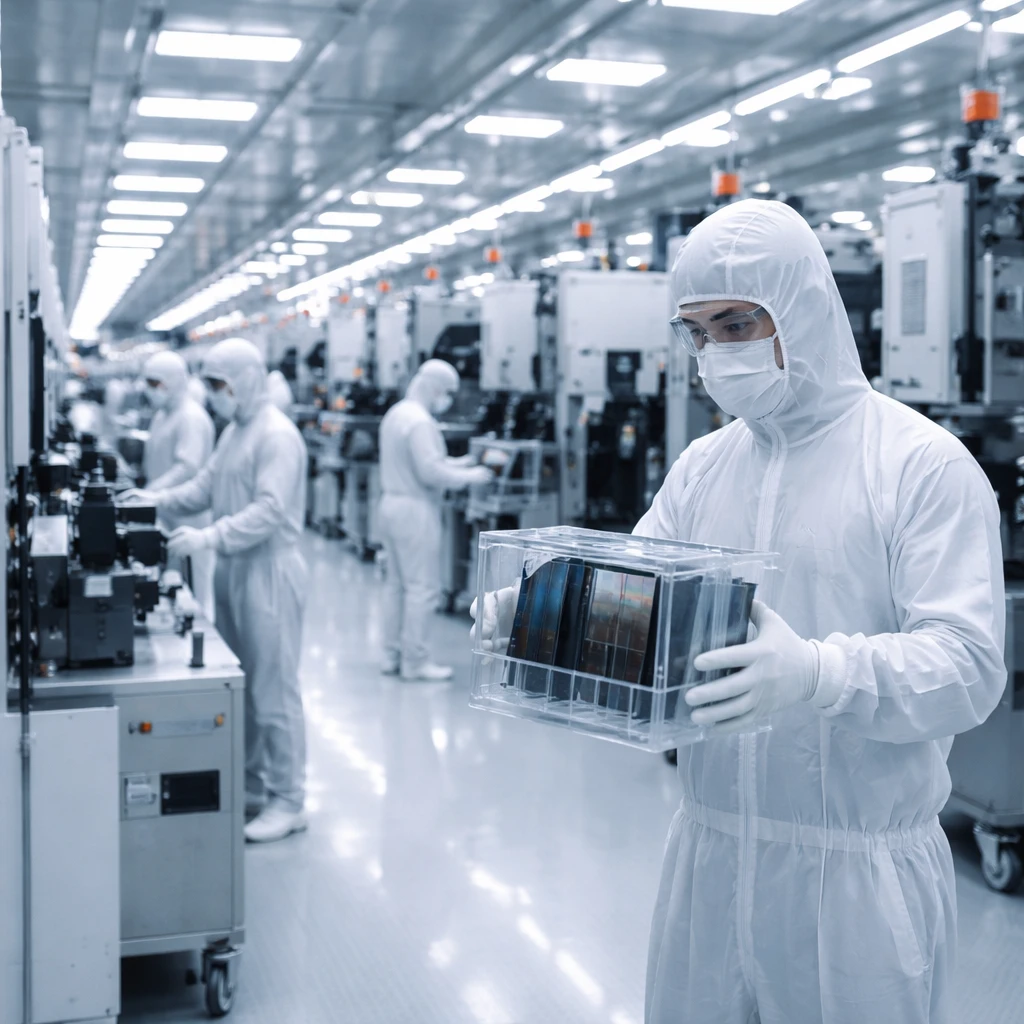
South Korea's factories registered a notable pickup in activity in March as chip demand and fresh product introductions supported stronger production, according to a private-sector purchasing managers index (PMI) released Wednesday.
The index, compiled and published by S&P Global, climbed to 52.6 in March from 51.1 in February. That reading represents the highest PMI level since February 2022 and signals an expansionary trend across the manufacturing sector.
Output was a particular bright spot, rising at the fastest pace since August 2024. The survey attributed the acceleration to a combination of new product launches and increased semiconductor-related activity. Semiconductors, identified in the survey as a key support factor for production, remain a core export for South Korea and have experienced rapid growth over the past year amid rising demand from the artificial intelligence industry.
Despite the overall improvement in activity, new order growth eased slightly compared with February. The survey noted that export orders were especially affected, with growth in exports falling to a four-month low as the Middle East war weighed on external demand.
Costs for manufacturers also moved higher in March. Input prices rose at the sharpest rate since June 2022, a development that the survey said points to a near-term upward pressure on inflation for the sector.
Context and implications
The PMI's rise to 52.6 signals broadening momentum in manufacturing driven by technology-related demand and product cycles. Output gains linked to semiconductors underline the continued importance of chip production to South Korea's factory sector. At the same time, the moderation in new orders and the deterioration in export order growth highlight vulnerabilities tied to the geopolitical environment and external demand fluctuations.
What the survey explicitly shows
- S&P Global's PMI was 52.6 in March, up from 51.1 in February.
- Output increased at the fastest rate since August 2024, supported by new products and semiconductors.
- New export orders slowed, with export order growth at a four-month low amid the Middle East war.
- Input prices rose at the fastest pace since June 2022, suggesting near-term inflationary pressure.