
Stock Markets May 8, 2026 04:38 AM

Sony and TSMC to Launch Japan-Based Venture for Next-Generation Image Sensors

New majority-Sony joint venture will place development and production lines in Kumamoto as partners discuss phased investments tied to demand and government support

By Sofia Navarro SONY TSM

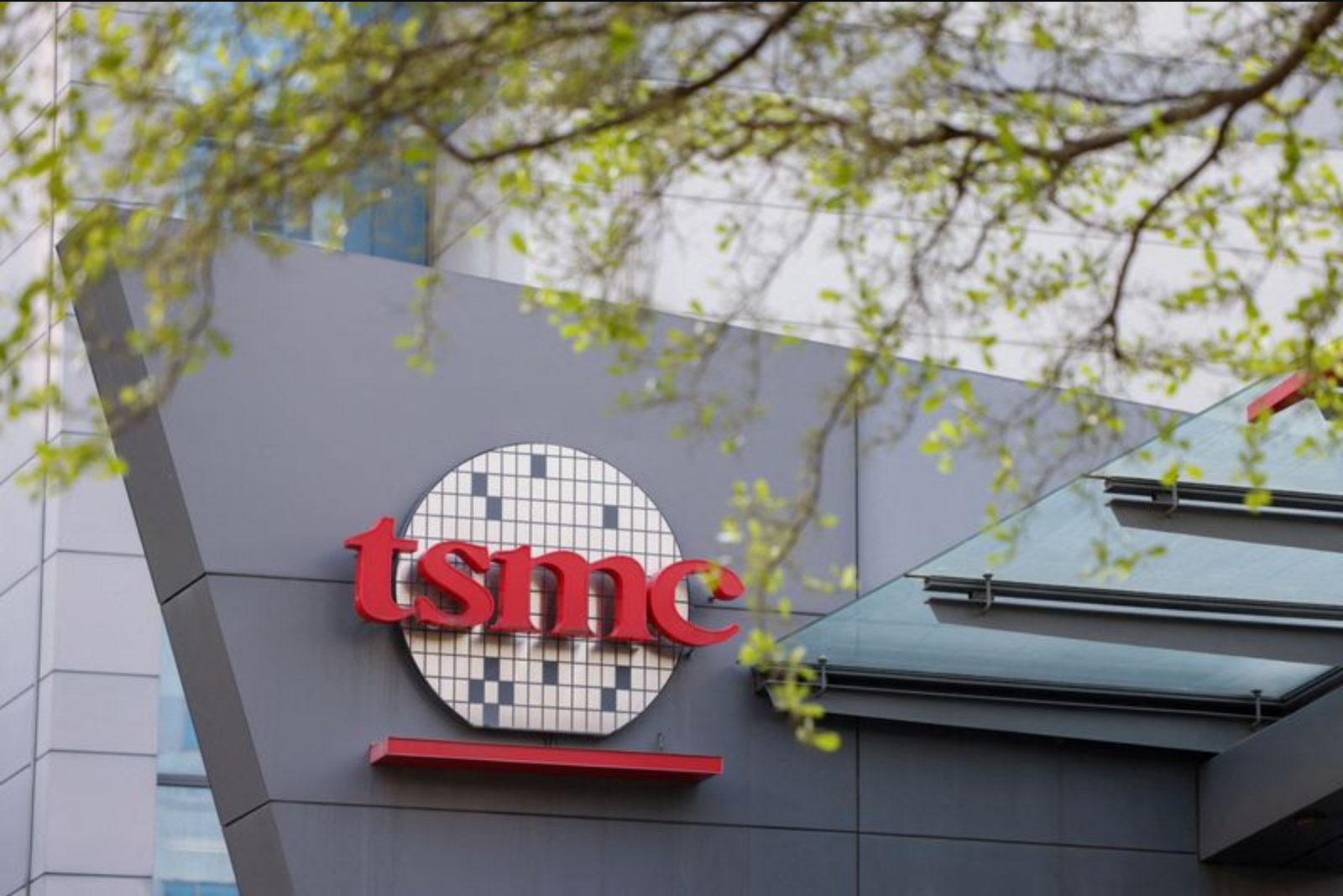
Sony Semiconductor Solutions and Taiwan Semiconductor Manufacturing Co (TSMC) announced plans to establish a new joint venture in Japan to develop and manufacture next-generation image sensors. The planned entity, to be majority-owned by Sony, will combine Sony's sensor design capabilities with TSMC's process and manufacturing expertise and locate development and production lines at a new fabrication site in Koshi City, Kumamoto. The companies have signed a non-binding memorandum of understanding and said potential investments would be phased based on market demand and contingent on a definitive agreement and customary closing conditions, as well as anticipated support from the Japanese government.

Sony and TSMC to Launch Japan-Based Venture for Next-Generation Image Sensors
SONY TSM

Key Points

  • Sony and TSMC plan a Japan-based joint venture to develop and produce next-generation image sensors, with Sony as majority owner.
  • Development and production lines are planned for Sony's new fab in Koshi City, Kumamoto, and investments will be phased according to market demand.
  • The venture will explore physical artificial intelligence applications such as automotive and robotics; existing collaboration includes the JASM joint venture, whose first Japanese fab began volume production in late 2024.

TAIPEI, May 8 - Sony Semiconductor Solutions and Taiwan Semiconductor Manufacturing Co (TSMC) said they intend to create a new joint venture in Japan focused on the development and production of next-generation image sensors.

The proposed company will stack Sony's sensor design knowledge against TSMC's process development and manufacturing strengths, deepening the long-running technical collaboration between the two firms. Sony is slated to hold the majority stake in the venture.

Planned development and production lines for the joint venture are set to be installed at Sony's new fabrication facility in Koshi City, located in the Kumamoto region. The two firms said they have executed a non-binding memorandum of understanding and are negotiating potential capital commitments for the venture. Any investment decisions would depend on reaching a definitive agreement and satisfying customary closing conditions.

Both companies indicated that investment by the joint venture, together with additional capital spending by Sony at its existing Nagasaki plant, would be implemented in phases and aligned with market demand. The announcements made explicit that such phasing assumes the presence of support from the Japanese government.

The partners also said the collaboration will examine opportunities in physical artificial intelligence applications, naming automotive and robotics as areas of interest where advanced image sensors might be applied.

Sony has earlier signaled that it is open to outside investment partners for its chip business as it emphasizes the need for manufacturing investment. Separately, the two companies are connected through an existing venture, Japan Advanced Semiconductor Manufacturing, or JASM, which was established in 2021 and is majority-owned by TSMC. JASM's first fab in Japan began volume production in late 2024.


Context and implications

The planned venture pairs Sony's sensor architecture capabilities with TSMC's foundry and process engineering, targeting next-generation sensor products while locating capacity inside Japan. The structure of ownership, phased capital deployment tied to market demand, and explicit reliance on government support shape the near-term implementation path.

Risks

  • Agreement stage - the companies have signed only a non-binding memorandum of understanding; investments depend on a definitive agreement and customary closing conditions.
  • Funding and timing - planned capital spending will be phased based on market demand, creating uncertainty around the scale and timing of deployment.
  • Government support dependency - the companies stated their investment plans assume support from the Japanese government, introducing policy-related uncertainty.

More from Stock Markets

Nvidia CEO Jensen Huang Sees 27% Drop in Total Pay as Stock Awards Lose Value May 12, 2026 Activist Urges BWX Technologies to Revisit Shelved Reactor Plan, Sees Potential for Stock to Double May 12, 2026 S&P Moves Mexico’s Outlook to Negative, Citing Fiscal Strain and Tepid Growth May 12, 2026 Moody's Lowers Everforth Outlook to Negative Amid Elevated Leverage May 12, 2026 Moody's Moves Albemarle Outlook to Stable After Debt Cuts and Stronger Lithium Prices May 12, 2026