
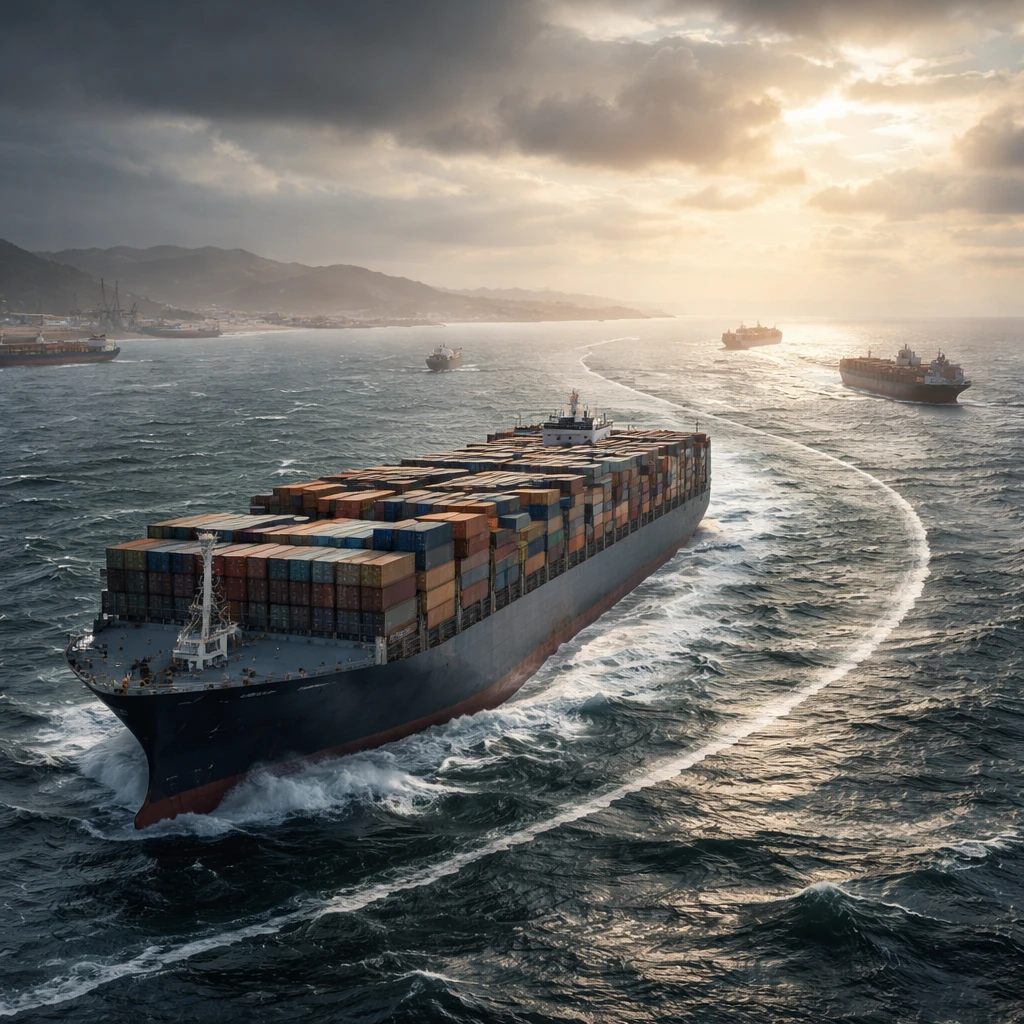
Shares of several European shipping firms climbed on Monday as a surge in Middle East hostilities prompted major carriers to alter routing plans, reducing near-term global shipping capacity and heightening expectations for rising freight rates.
Maersk saw its shares jump 7%, reaching their strongest level since March 2, 2023. Hapag-Lloyd shares climbed 4% during the same trading session.
On Sunday, three leading container lines - Maersk, Hapag-Lloyd and CMA CGM - initiated rerouting of vessels to sail around Africa rather than transit the Suez Canal and the Bab el-Mandeb. This move followed U.S. and Israeli strikes on Iran and the closure of the Strait of Hormuz. Both Maersk and Hapag-Lloyd subsequently announced they would suspend all vessel crossings of the Strait of Hormuz until further notice.
Brokerage analysts and market commentators said that continued disruption in the region is likely to push freight rates higher, with the effect compounded by rising oil prices. The reduction in direct east-west sailings through the Middle East corridor effectively tightens available capacity as ships take longer, alternative routes.
The ripple effect extended to European and Nordic tanker stocks, where Copenhagen-listed Torm and Oslo-listed Frontline each rose by about 5%. Norway's roll-on/roll-off shipper Hoegh Autoliners advanced approximately 3.6%.
The market reaction reflected investor recalibration of near-term supply conditions in container shipping and related maritime sectors. With prominent carriers pausing transits through a major oil and shipping artery and electing longer voyages around the Cape of Good Hope, trading desks and freight forwarders are likely to reassess capacity and pricing assumptions in coming days.
At present, the situation remains fluid. Companies that have suspended Gulf transits have not issued timelines for resuming those routes, leaving the duration of the capacity impact and its ultimate effect on freight rates and fuel costs uncertain.