
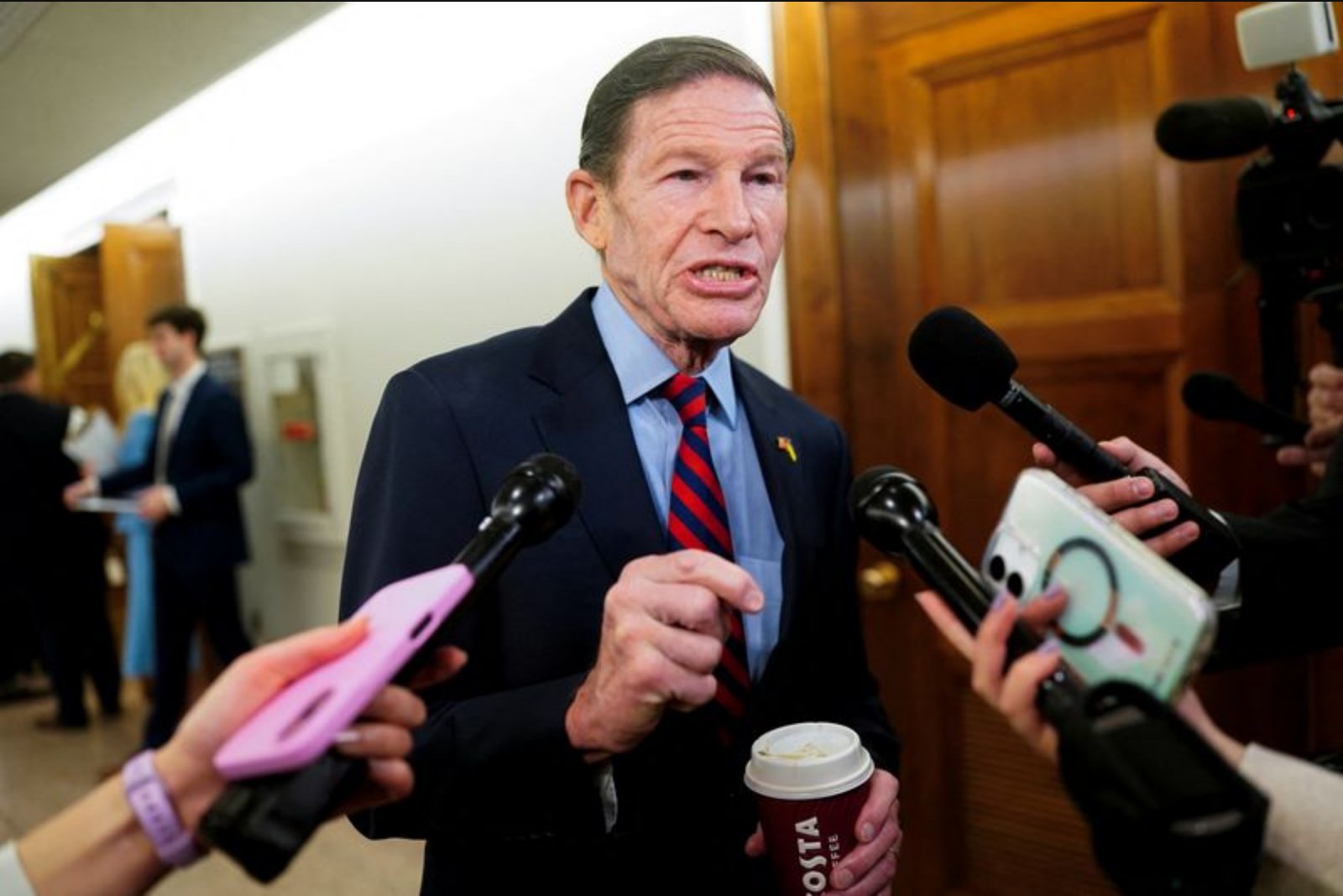
Senator Richard Blumenthal, the senior Democrat on a Senate investigations subcommittee, has pressed Securities and Exchange Commission Chairman Paul Atkins for records and explanations after the abrupt departure this month of the SEC's lead enforcement official, Judge Margaret Ryan.
In a March 30 letter to Atkins, Blumenthal raised concerns about Ryan's short tenure and cited reports that senior SEC leadership had intervened to prevent the Enforcement Division from pursuing cases against cryptocurrency companies. The letter requests internal communications and other records from Atkins and other agency officials related to potential enforcement actions against crypto firms and individuals with reported connections to the Trump family and related ventures.
Among the specific names mentioned in the senator's request are Justin Sun, described in the letter as a major backer of the Trump family's World Liberty Financial crypto venture, and Changpeng Zhao. The letter seeks documentation of any interactions, decisions, or directives involving these figures or firms, as well as communications with any member of the Trump family or World Liberty Financial. Blumenthal also asked for records concerning communications with the family of Zach Witkoff, the chief executive of a firm tied to the inquiry; the letter notes that Zach Witkoff is the son of Steve Witkoff, who serves as the U.S. special envoy to the Middle East.
Blumenthal's inquiry follows reporting that Ryan had clashed with Atkins and other agency leaders over the enforcement program's direction, including the handling of cases involving leaders of cryptocurrency companies with ties to President Donald Trump and his family. Those clashes reportedly contributed to her decision to leave the agency suddenly earlier this month. In his letter, the senator wrote: "Ms. Ryan’s abrupt departure from the agency raises questions in light of her short tenure and reports that senior leadership intervened to prohibit the Enforcement Division from pursuing cases against cryptocurrency companies."
The senator's request forms part of a broader probe into alleged illicit uses of cryptocurrency. Blumenthal wrote in the letter that "crypto-fueled crime has skyrocketed since President Trump came back into office." The SEC declined to comment on the inquiry.
Representatives for several parties named in the letter did not immediately respond to inquiries. A spokesperson for Changpeng Zhao's company released a statement saying: "Binance has not had any discussion with SEC Chairman Atkins, and has not had engagement with any SEC commissioners beyond general policy discussions, over a year ago, which were unrelated to Binance." Representatives for Justin Sun's company, the White House and World Liberty Financial did not respond immediately to requests for comment.
Judge Margaret Ryan, a former military judge and one-time clerk to Supreme Court Justice Clarence Thomas, had reportedly pushed for a more aggressive enforcement posture during her tenure. People familiar with the matter said she sought to pursue charges for fraud and other misconduct more vigorously and took issue with the handling of high-profile matters involving crypto entrepreneur Justin Sun and billionaire Elon Musk. Her sudden departure has unsettled an agency that, according to the letter and reporting cited by the senator, has experienced staff departures and significant policy shifts under the current administration.
Blumenthal has asked for records and communications that could illuminate the circumstances surrounding Ryan's exit and whether senior leadership directed the Enforcement Division to curtail or dismiss cases involving certain crypto-related defendants or affiliates. The senator's request specifically includes communications with members of the Trump family, the World Liberty Financial venture and individuals connected to the Witkoff family.
The inquiry intensifies scrutiny over how the SEC has approached enforcement in the cryptocurrency sector amid broader debates about regulatory treatment and industry integration into traditional banking and financial systems. The letter seeks to determine whether the Enforcement Division was restricted from bringing or pursuing enforcement actions and to identify any communications that would shed light on decision-making at the agency's highest levels.
As of the time of the letter, the SEC had not provided the requested records publicly, and several entities named in the inquiry had not issued substantive responses. The developments leave open questions about internal agency dynamics, the enforcement program's independence, and the extent to which political or external relationships may have influenced enforcement priorities involving cryptocurrency firms and executives.