
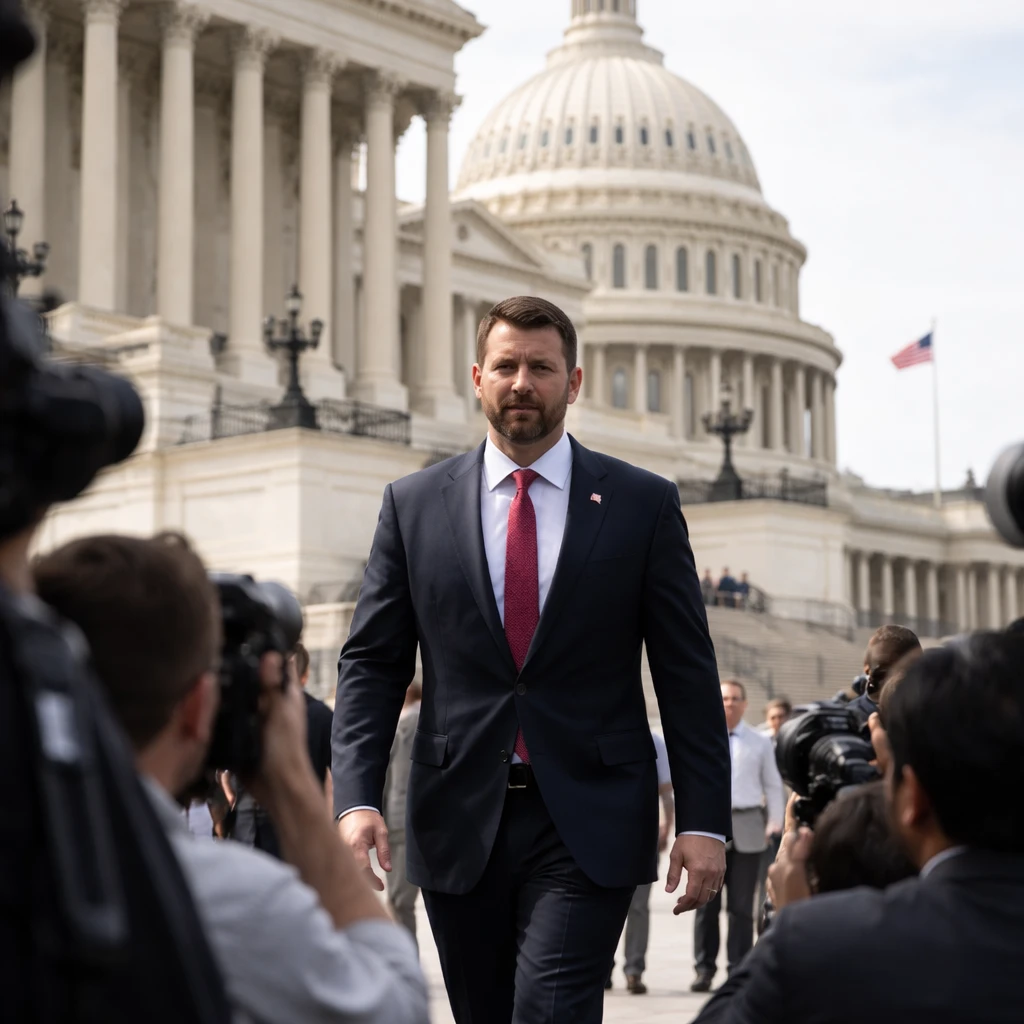
The Senate on Monday approved Sen. Markwayne Mullin to serve as the secretary of the Department of Homeland Security (DHS) in a 54-45 vote, placing the Oklahoma Republican at the head of immigration enforcement, identified by the president as a top priority in his second term.
Mullin succeeds Kristi Noem and will be the second individual to lead DHS during this administration. The confirmation occurs against the backdrop of a funding impasse that has resulted in a partial shutdown of the department.
More than a quarter-million people work for DHS. The shutdown has left about 100,000 employees - a subset of that total - working without pay, creating an immediate personnel and operational challenge for the incoming secretary.
At his confirmation hearing, Mullin urged lawmakers to move quickly to restore funding to the department and said he was prepared to assume the responsibility of leading DHS. He framed expedited fiscal action as necessary to stabilize department operations.
The current funding stalemate followed congressional disagreement over policy changes sought by Democrats, who withheld their votes for a funding bill. According to the record of the debate, Democrats pressed for reforms aimed at reining in Immigration and Customs Enforcement (ICE) and Customs and Border Protection (CBP), demands the Republican majority did not accept. That impasse led to the department shutdown.
Lawmakers’ refusal to reach agreement occurred in the wake of two high-profile killings involving immigration enforcement officials - events that factored into Democrats’ insistence on policy changes before approving funding.
Mullin steps into the role with immediate, tangible challenges: resolving the funding shortfall that has left a significant portion of the DHS workforce unpaid and overseeing immigration enforcement operations that remain politically contentious.
How quickly Congress moves to fund the department, and whether that funding includes any of the reforms Democrats sought, will determine the near-term operating environment for DHS under Mullin’s leadership.
Contextual note: The reporting above is based solely on the confirmed facts regarding the Senate vote, the position Mullin will assume, the staffing and funding status of DHS, statements made during his confirmation hearing, and the parliamentary dynamics that produced the shutdown.