
Stock Markets February 3, 2026

Senate Commerce Committee Schedules Hearing with NTSB Chair After Fatal D.C. Mid-Air Collision

NTSB cites systemic FAA failures in January 2025 crash that killed 67; lawmakers will press for action as an air safety bill remains stalled in the House

By Derek Hwang
Senate Commerce Committee Schedules Hearing with NTSB Chair After Fatal D.C. Mid-Air Collision

The U.S. Senate Commerce Committee has set a Feb. 12 hearing with National Transportation Safety Board Chair Jennifer Homendy following an NTSB finding that a series of systemic failures at the Federal Aviation Administration contributed to a January 2025 mid-air collision near Ronald Reagan Washington National Airport that killed 67 people. The committee plans to question the NTSB chief as lawmakers push to advance air safety legislation that has not cleared the U.S. House.

Key Points

  • The Senate Commerce Committee will hold a Feb. 12 hearing with NTSB Chair Jennifer Homendy to review the board's findings that systemic FAA failures contributed to a fatal mid-air collision.
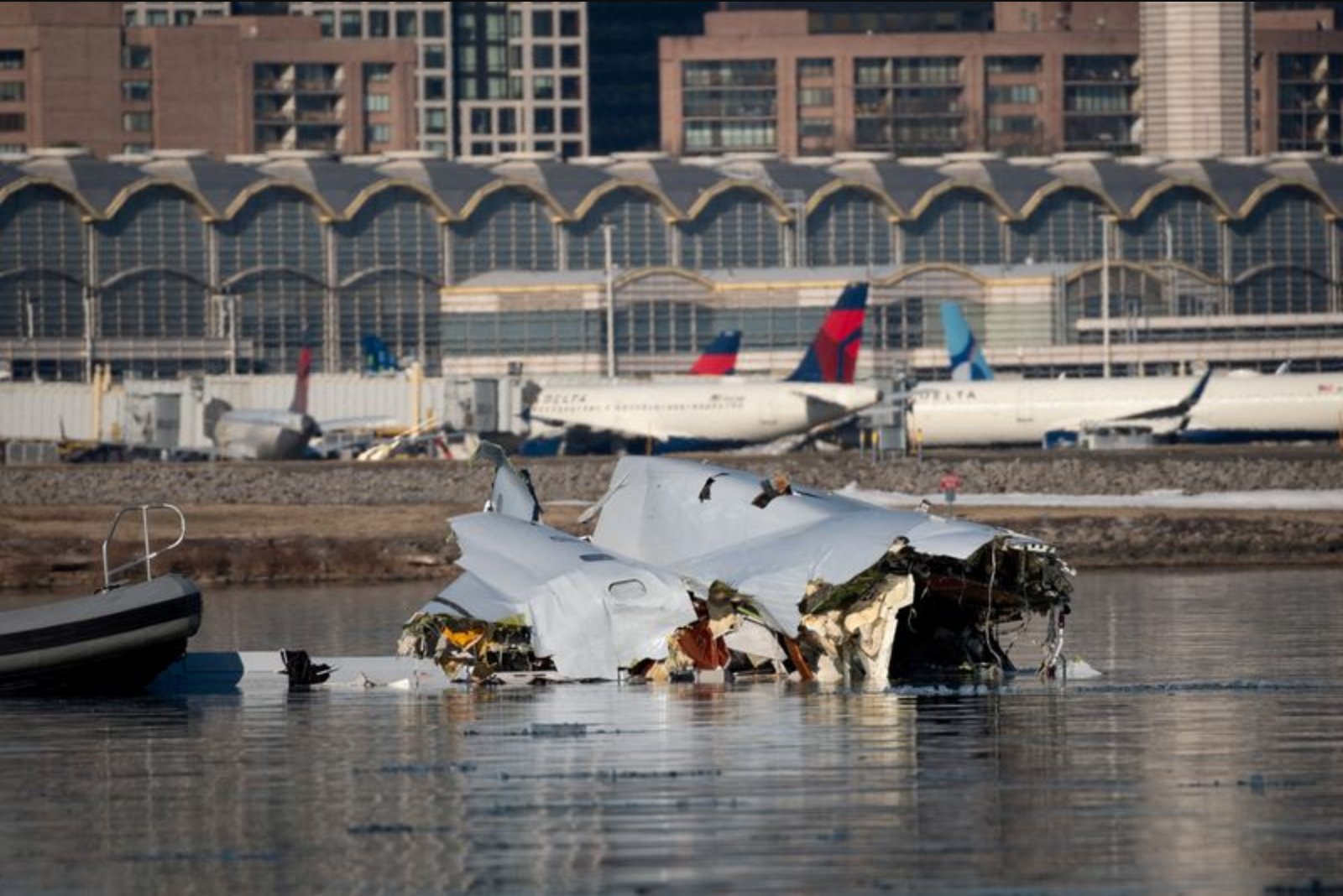
  • The January 2025 collision near Ronald Reagan Washington National Airport between an American Airlines regional jet and an Army Black Hawk helicopter killed 67 people and was the deadliest U.S. aviation disaster since November 2001.
  • Lawmakers are using the hearing to press for action on an air safety reform bill that remains stalled in the U.S. House, with implications for the aviation and defense sectors and for federal regulatory oversight.

The U.S. Senate Commerce Committee will convene on Feb. 12 to hear testimony from National Transportation Safety Board Chair Jennifer Homendy after the agency determined that multiple systemic failures at the Federal Aviation Administration played a role in a deadly mid-air collision in January 2025, the committee announced.

The collision involved an American Airlines regional jet and an Army Black Hawk helicopter near Ronald Reagan Washington National Airport (DCA) and resulted in 67 fatalities. The NTSB's findings identified a pattern of shortcomings by the FAA that the board linked to the accident.

Committee members plan to question the NTSB chair about the board's conclusions and the nature of the FAA deficiencies cited in the report. The hearing is expected to focus on the NTSB's assessment of the events and on how federal aviation oversight may be improved in response.

Lawmakers intend to use the hearing as part of efforts to secure approval of an air safety reform bill. The legislation has been held up in the U.S. House, and members of the Senate panel are seeking ways to move the measure forward as they review the NTSB's findings.

The January 2025 collision was the deadliest U.S. aviation disaster since November 2001. The incident has prompted heightened scrutiny of aviation safety processes and regulatory oversight, with the Senate committee now scheduling the public session to obtain further detail from the NTSB's leadership.

The hearing will give senators a formal opportunity to examine the NTSB's investigation and to press for clarification on the specific FAA failures the board identified. It will also provide a forum for discussing the legislative response to those findings as the committee considers next steps toward air safety reform.

Details on witnesses beyond the NTSB chair, or on the specific agenda items for the Feb. 12 session, were not provided in the committee announcement. The committee statement limited its description to the scheduled hearing and the intent to review the NTSB's conclusions with the board's chair.

The scheduled testimony and the ongoing legislative push underscore congressional attention to the crash and to federal aviation oversight. The outcome of the hearing could influence the pace and content of legislative efforts, although further developments and votes on the bill were not described in the committee notice.

Risks

  • Persisting regulatory shortcomings at the FAA identified by the NTSB may continue to raise safety concerns for the commercial aviation and military aviation sectors until addressed.
  • The air safety reform bill remains stalled in the U.S. House, creating uncertainty about the timing and implementation of legislative changes to address the NTSB's findings.
  • Limited detail in the committee announcement about additional witnesses or agenda items leaves uncertainty about the scope of the Feb. 12 hearing and the immediate policy responses that could follow.

More from Stock Markets

Nelson Peltz Signals Return to Full Buyouts, Cites Favorable Market Conditions Feb 3, 2026 Blackstone Sees AI-Driven Disruption as Central Strategic Concern Feb 3, 2026 Copenhagen's OMX C20 Closes Lower as Several Large Caps Slide Feb 3, 2026 BlackSky Shares Rally After Winning Multiple Seven-Figure Contracts from International Defense Customer Feb 3, 2026 Western Digital Shares Jump 8% After New York Innovation Day as Company Sets High Growth and Margin Targets Feb 3, 2026