
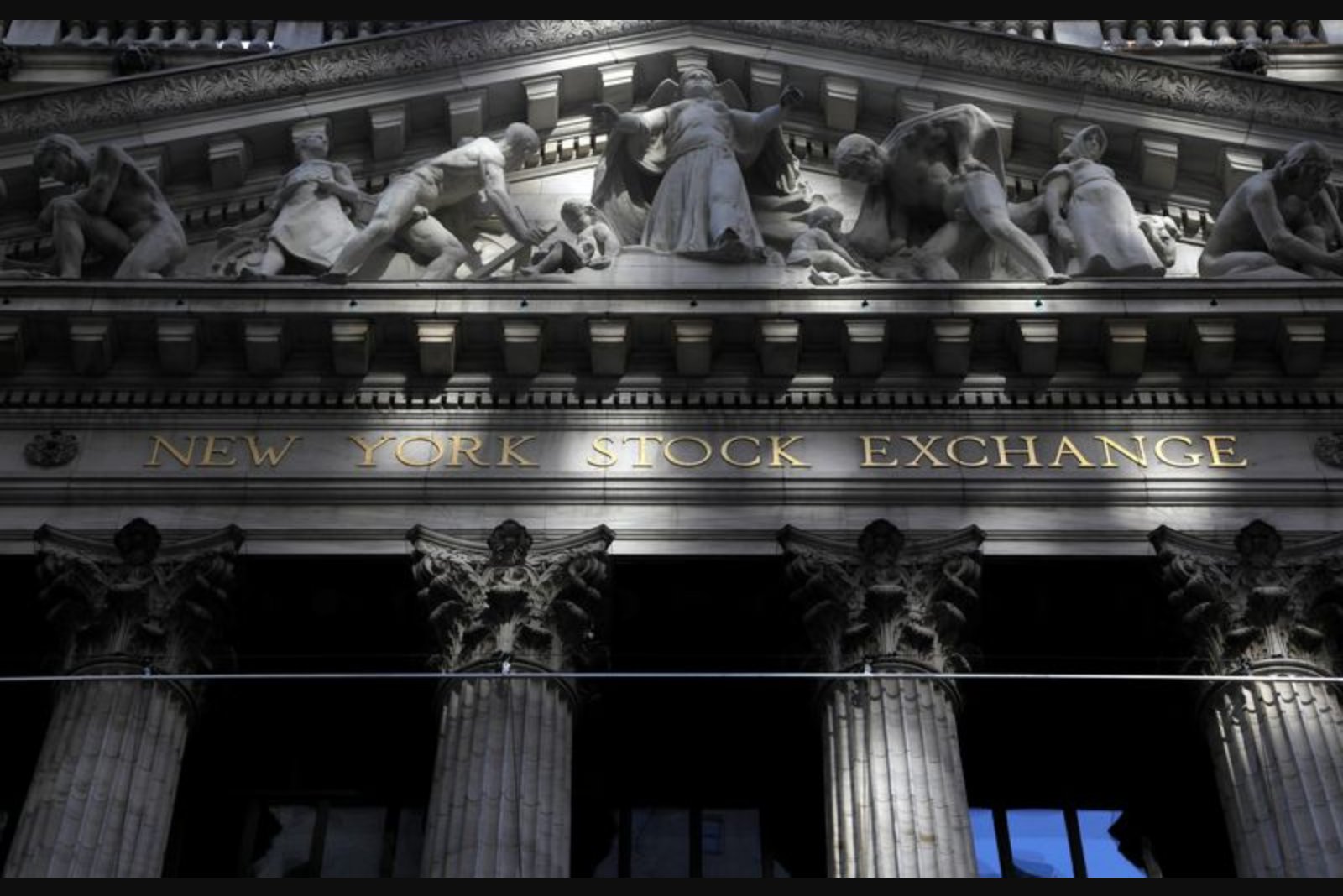
Summary: The New York Stock Exchange has agreed to a $9 million civil settlement with the U.S. Securities and Exchange Commission over a technical failure that distorted the market open on January 24, 2023. The SEC says the exchange ran its main trading system and its disaster-recovery platform simultaneously by mistake, which led the primary system to treat many opening auctions as if they had already occurred. That error produced trading halts, steep unexplained price drops in numerous blue-chip names and thousands of busted trades.
The SEC enforcement action centers on the January 24, 2023 event in which the NYSE operated Pillar Production and Pillar DR - short for "disaster recovery" - at the same time. According to the SEC, the primary system mistakenly flagged opening auctions for 2,824 of the NYSE’s then-3,421 listed securities as having already taken place. That misclassification interrupted normal auction processing and contributed to market disruption.
The agency said the glitch led to trading halts for 84 stocks, including 81 that experienced price declines exceeding 10% without any obvious fundamental explanation. More than 4,000 trades were later undone, or "busted," as a result of the malfunction. The affected names cited by the SEC included major blue-chip companies such as ExxonMobil, McDonald’s, 3M, Verizon, Walmart and Wells Fargo.
The SEC also criticized the exchange’s readiness and documentation, saying it took the NYSE 39 minutes to recognize that opening auctions had been mishandled and 83 minutes to identify the full extent of the damage. The agency linked those delays in part to an absence of written policies and procedures to support opening auctions.
In response to the fallout from the glitch, the NYSE reimbursed its member firms for trading losses, paying more than $5.77 million to affected members. The exchange's parent, Atlanta-based Intercontinental Exchange, issued a statement saying it has strengthened its procedures and systems. The statement added that "NYSE opening and closing auctions continue to be the most reliable liquidity event for NYSE-listed symbols."
The SEC’s civil fine and the documented operational shortcomings underscore the potential market impact when trade infrastructure does not operate as intended. The sequence of events on January 24, 2023 illustrates how a technology error can cascade into trading halts, significant price swings in large-cap names and the need to reverse thousands of transactions to restore orderly markets.
Context and implications:
- The settlement imposes a $9 million civil penalty on the NYSE to resolve the SEC’s charges tied to the January 24, 2023 opening disruption.
- The malfunction involved simultaneous operation of the primary Pillar Production system and the Pillar DR disaster-recovery system, which caused opening auctions for many securities to be misclassified.
- Consequences included 84 trading halts, 81 securities with drops greater than 10% without clear cause, and over 4,000 busted trades; member firms received more than $5.77 million in compensation for trading losses.