
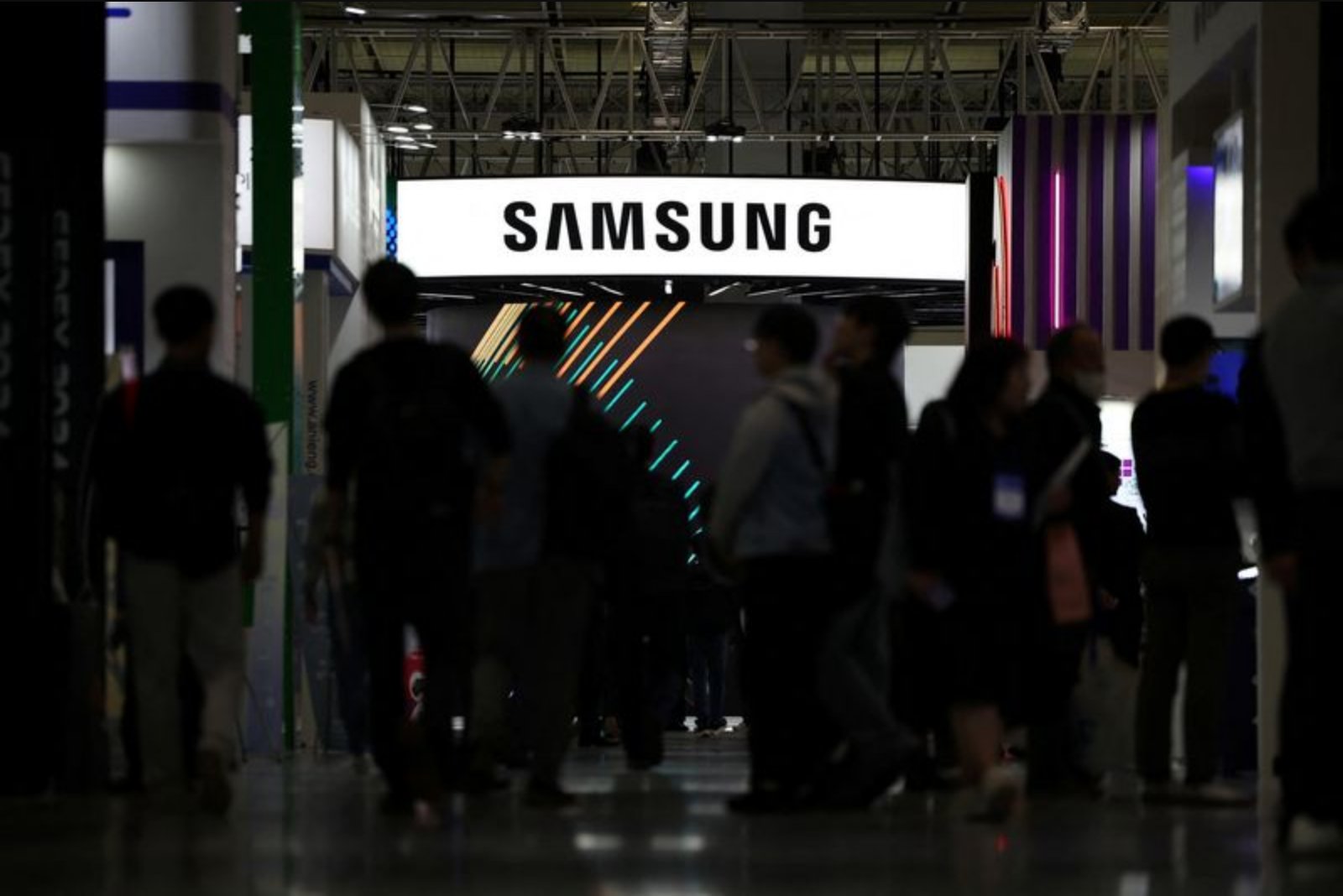
Samsung Electronics is set to announce quarterly results that industry estimators say will mark a near-record level of operating profit for the first quarter. Analysts polled in an LSEG SmartEstimate expect the company to report operating income of 40.5 trillion won on revenue that climbs roughly 50% year-on-year, based on a consensus drawn from 29 analysts.
If realised, that operating profit would represent roughly six times the company’s first-quarter result a year ago and sit just below the 43.6 trillion won that Samsung recorded for the full previous business year in operating income.
Some forecasters are more optimistic than the LSEG median. For example, Citi projects operating profit of 51 trillion won for the quarter. The company itself has described conditions in its memory chip business as an "unprecedented supercycle," reflecting exceptionally strong pricing in DRAM and other memory products tied to AI-related demand.
Market reaction and macro risks
Despite expectations of a very large profit beat, investors are expected to scrutinise management commentary for signs about how the conflict in the Middle East may affect Samsung’s momentum. The war has already been cited as a factor that can lift energy costs and threaten supplies of critical production materials, a combination that could, in turn, prompt major technology customers to reassess or slow planned spending on AI data centres.
Samsung typically provides a fuller outlook later in its quarterly reporting cycle, which means near-term disclosures may be limited until a more detailed earnings breakdown is released later in the month.
There are also early signs that spot prices for DRAM have softened in recent weeks, a development that reflects higher end-user prices for consumer devices such as smartphones and computers and a potential dent to short-term demand. Contributing to investor caution was the recent launch of a memory-saving technology from Google called TurboQuant, which together with other concerns helped trigger a sell-off in memory chip stocks.
Since the outbreak of the war on February 28, Samsung shares have fallen about 14%. That pullback, however, follows a strong rally earlier in the year - the shares remain up roughly 50% year-to-date, underpinned by sweeping investment plans in artificial intelligence by large technology firms.
Industry views on supply and pricing
Some market participants remain sanguine about the medium-term outlook for memory chips, pointing to a still-tight supply situation. Tobey Gonnerman, president of semiconductor distributor Fusion Worldwide, said: "We have seen a cooling (in memory chip spot prices) over the last 3-4 weeks yes. We do believe it’s temporary."
Gonnerman added: "The demand and backlog remains strong," and warned that it will be a long time before memory manufacturing can catch up with total demand.
Market researcher Trendforce projects further gains in conventional contract prices for DRAM. The firm expects those prices to have doubled in the first quarter from the previous quarter and forecasts a rise of 58-63% in the April-June period.
Samsung’s co-CEO Jun Young-hyun has said the company is negotiating with large customers to move towards longer contract terms - three to five years - to help shield both buyers and Samsung from short-term swings in demand and pricing.
Performance outside memory
While memory chips are poised to account for the bulk of Samsung’s profits this quarter, other business units are expected to lag. Analysts anticipate that Samsung’s contract chip manufacturing division - the unit that competes with other foundries such as TSMC - will remain unprofitable for the quarter, though the division received a lift from a collaboration with Nvidia to build new AI inference processors.
Similarly, analysts from Kiwoom Securities project that the smartphone and flat-screen businesses will see operating profits fall by roughly half in the first quarter, pressured by higher memory costs and intense competition in consumer hardware markets.
Labour costs could add to the company’s near-term challenges. South Korean unions at Samsung have called for changes to bonus arrangements and have threatened to strike in May, a move that could press on compensation expenses and operating flexibility.
Outlook for investors
Investors positioning around Samsung will likely weigh the company’s exceptional near-term profit prospects from memory against geopolitical and demand-side uncertainties, volatility in spot pricing, and mixed results in non-memory units. Currency conversion in published commentary uses $1 = 1,507.4300 won.
For now, the consensus expectation is that the memory-led upswing will yield a substantial quarterly profit headline, while the coming quarterly disclosures and any commentary on the Middle East conflict, supply risks, and consumer demand will be watched closely for indications of sustainability.