
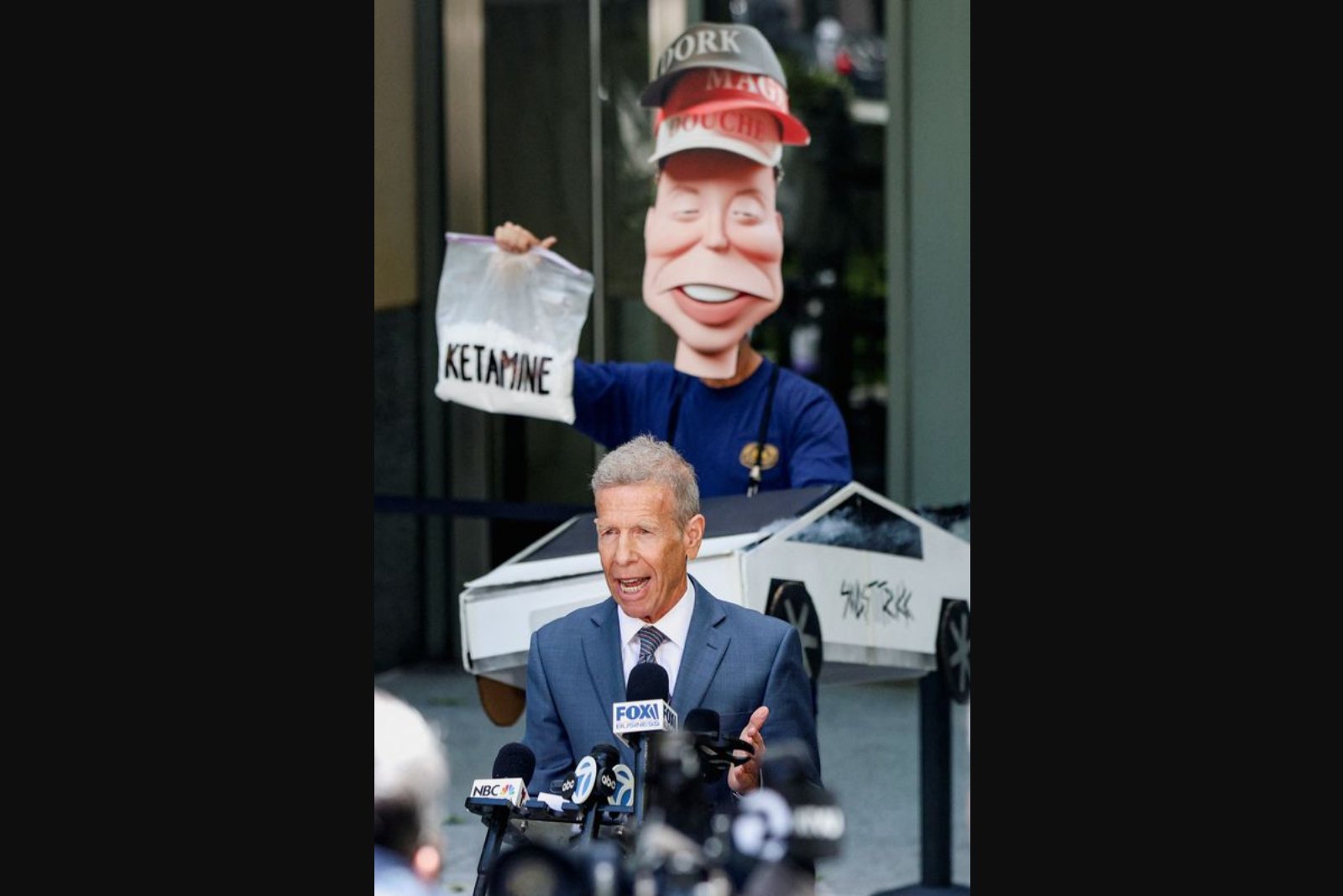
OpenAI Chief Executive Officer Sam Altman is slated to take the witness stand on Tuesday and continue on Wednesday, the California court overseeing Elon Musk’s lawsuit against the AI developer said. The case, now in its third week, centers on competing accounts of OpenAI’s transformation and the role played by its executives and early backers.
Musk’s lawsuit asserts that Altman and others persuaded him to contribute $38 million to nonprofit OpenAI, only for the organization to later abandon its charitable purpose and become a for-profit enterprise. OpenAI has countered that Musk was aware of plans to create a for-profit vehicle and that his motivations included securing greater control.
The trial has drawn attention across Silicon Valley and beyond, with witness testimony frequently touching on the personalities and leadership approaches of Altman and Musk. On Monday, former OpenAI chief scientist Ilya Sutskever testified that he spent about a year compiling materials for the company’s board alleging a "consistent pattern of lying" by Altman, according to testimony reported in court.
Several other current and former OpenAI executives have already provided testimony. Among them were President Greg Brockman, former OpenAI technology chief Mira Murati and former board member Shivon Zilis, who is also noted in court filings as the mother of four of Musk’s children. Those witnesses have contributed to the record about internal discussions and governance at the company.
Musk, who is seeking the removal of Altman and Brockman from their positions, has testified that OpenAI was his idea and that his financial support was "specifically meant to be for a charity." He told the court that, while he was aware of early conversations about creating a for-profit entity, Altman reassured him that OpenAI would remain a nonprofit, testimony shows.
The outcome of the trial may determine the future leadership and corporate direction of OpenAI at a time when the company has secured hundreds of billions of dollars from large technology firms and other investors to expand computing capacity in advance of a potential trillion-dollar initial public offering.
Embedded within coverage of the case has been promotional material asking about investment opportunities in 2026 and noting a data-driven product that claims to combine institutional-grade data with AI-powered insights to help identify potential investments. That material framed a question about the best investments so far in 2026 and suggested consulting an AI-driven advisory tool, while noting no guarantees of success.