
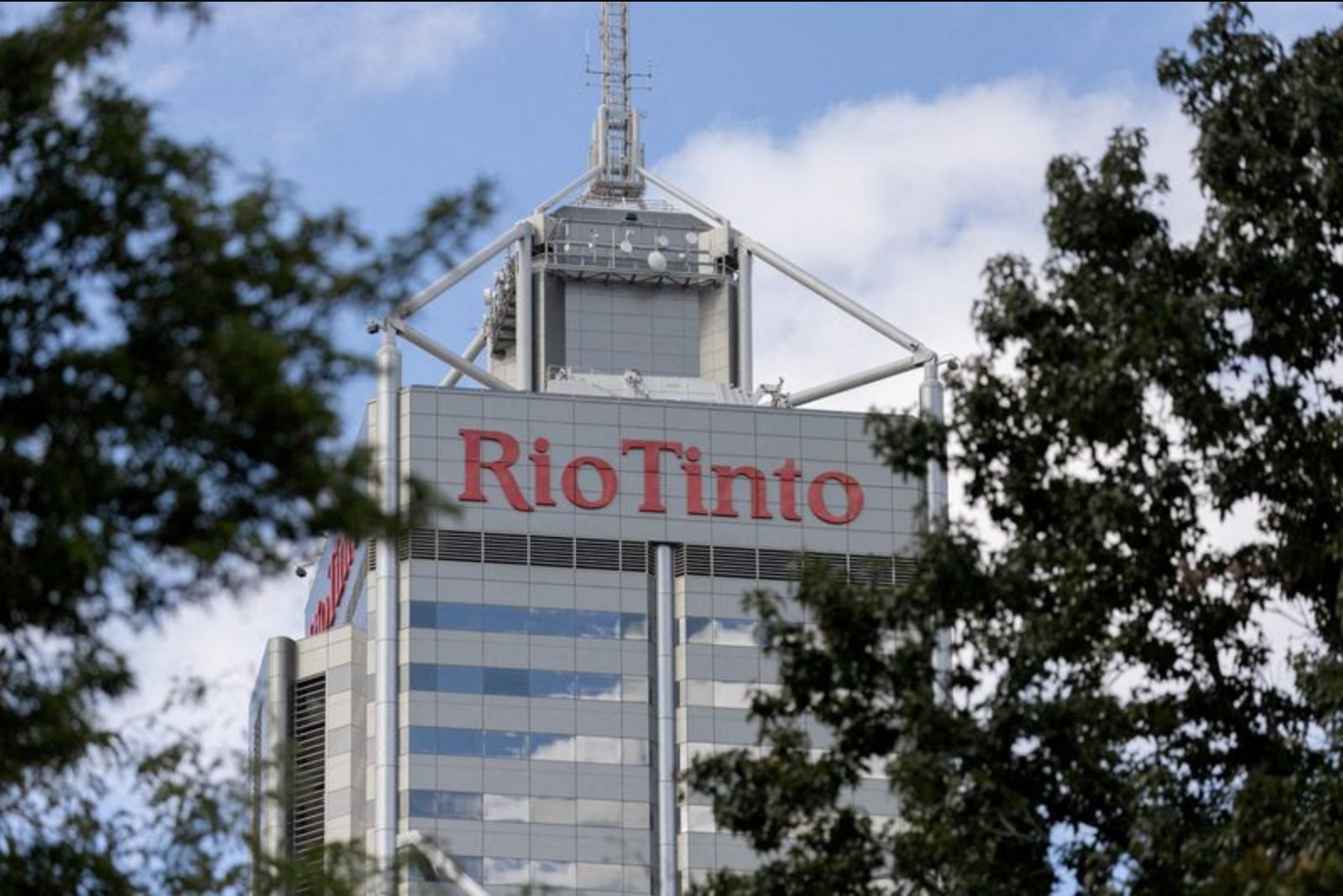
Rio Tinto is anticipated to seek additional time to weigh a potential merger with Glencore before a UK regulatory cutoff on February 5, three people familiar with the discussions told reporters. The extension would give Rio Tinto more runway to analyse the strategic and financial merits of any combination with Glencore, though those same sources cautioned that Rio could still elect to walk away.
The two mining groups confirmed in January that they were in early talks about a merger that could create the world’s largest mining company, with a combined market value of close to $207 billion and substantial copper exposure - a metal in high demand for the energy transition. Under UK takeover rules, an identified potential bidder has 28 days to either declare a firm intention to bid, abandon the approach or request more time, with the current window set to close on February 5.
One insider said that if Rio Tinto seeks an extension, Glencore would be willing to agree. Both Rio Tinto and Glencore declined to comment ahead of the Thursday deadline.
Investor scepticism is a central constraint on Rio’s decision-making. Several shareholders, particularly those based in Australia, have told journalists they would oppose any transaction that involved paying a premium for a company that has wrestled with operational difficulties. They said they had not yet seen a clear demonstration of how the tie-up would create shareholder value.
“We expect an extension later this week as a face-saving device,” said Hugh Dive of Atlas Funds, which holds Rio stock and is against any tie-up. He argued that, beyond Glencore’s South American copper assets, the remainder of Glencore’s portfolio is complex and not a natural fit for Rio. Dive also suggested Rio might be incentivised to overpay if it pays with scrip and seeks to dilute the stake of its largest UK shareholder, state-owned Aluminium Corp of China, known as Chinalco.
Rio Tinto has been examining the possibility of an asset-for-equity swap with Chinalco that would reduce the Chinese investor’s roughly 11% stake, a move that could free Rio to restart buybacks and pursue new strategic deals, sources said previously. Australia holds more than 20% of dual-listed Rio’s shares but accounts for more than half of its profits, largely driven by its lucrative iron ore operations.
Investors are also concerned that Glencore is seeking a substantial premium even as some of its copper developments remain at an early stage. There are questions about the tangible value that Glencore’s marketing and trading arm would add to Rio, particularly given cultural and risk-tolerance differences between the two companies.
Commodity market turbulence and recent sharp price moves in metals have complicated valuation work. One person close to the talks noted the run-up in copper - cited at $14,000 - as a factor that demands careful consideration. "With copper at $14,000 Rio needs a lot of thinking," the source said.
Some of the scepticism among shareholders focuses on avoiding the dilution of future upside and ensuring any deal is demonstrably accretive. Andy Forster, a portfolio manager at Adelaide-based Argo Investments, summed up that sentiment: "You want to feel any deal is a win-win for shareholders and you don’t want to be paying away all of the upside."
Media reports have indicated a tug-of-war over leadership roles and price. The Financial Times reported that Rio Tinto is pushing for its current chair and chief executive to remain in place, while Glencore is demanding a significant premium. In mergers where one partner is considerably larger - as measured by market capitalisation - the larger group typically retains its management team; Rio Tinto’s market capitalisation is roughly double that of Glencore.
Beyond copper mines, Glencore’s commodity trading operation is another element of the potential transaction that has divided opinion. Some sources see value in the trading arm’s ability to capitalise on market volatility and its extensive trading relationships in times of geopolitical uncertainty. Other investors question whether traders accustomed to higher risk appetites could be retained and motivated within Rio’s more conservative corporate culture.
Adding complexity, Glencore this week said it is in talks to sell a 40% stake in its copper and cobalt operations in the Democratic Republic of Congo to a U.S.-backed consortium in a transaction valuing those assets at about $9 billion. Any merger between Rio Tinto and Glencore could also face regulatory scrutiny in key markets, including China. That might necessitate asset sales to satisfy concerns about resource security and market concentration, according to people familiar with the matter.
The three people who spoke about the talks declined to be named because the discussions remain confidential. With the UK takeover clock ticking, Rio Tinto’s board is weighing investor sentiment, valuation uncertainties and operational fit as it decides whether to seek more time, firm up an offer, or walk away.
Where this matters - The discussions, the investor reactions and the regulatory deadline primarily affect the mining and commodities sectors, with potential knock-on effects for capital markets tied to large resource companies, particularly in Australia and the UK. Copper markets and trading businesses would be directly influenced by any deal; broader market confidence could be affected by how shareholders and regulators respond.