
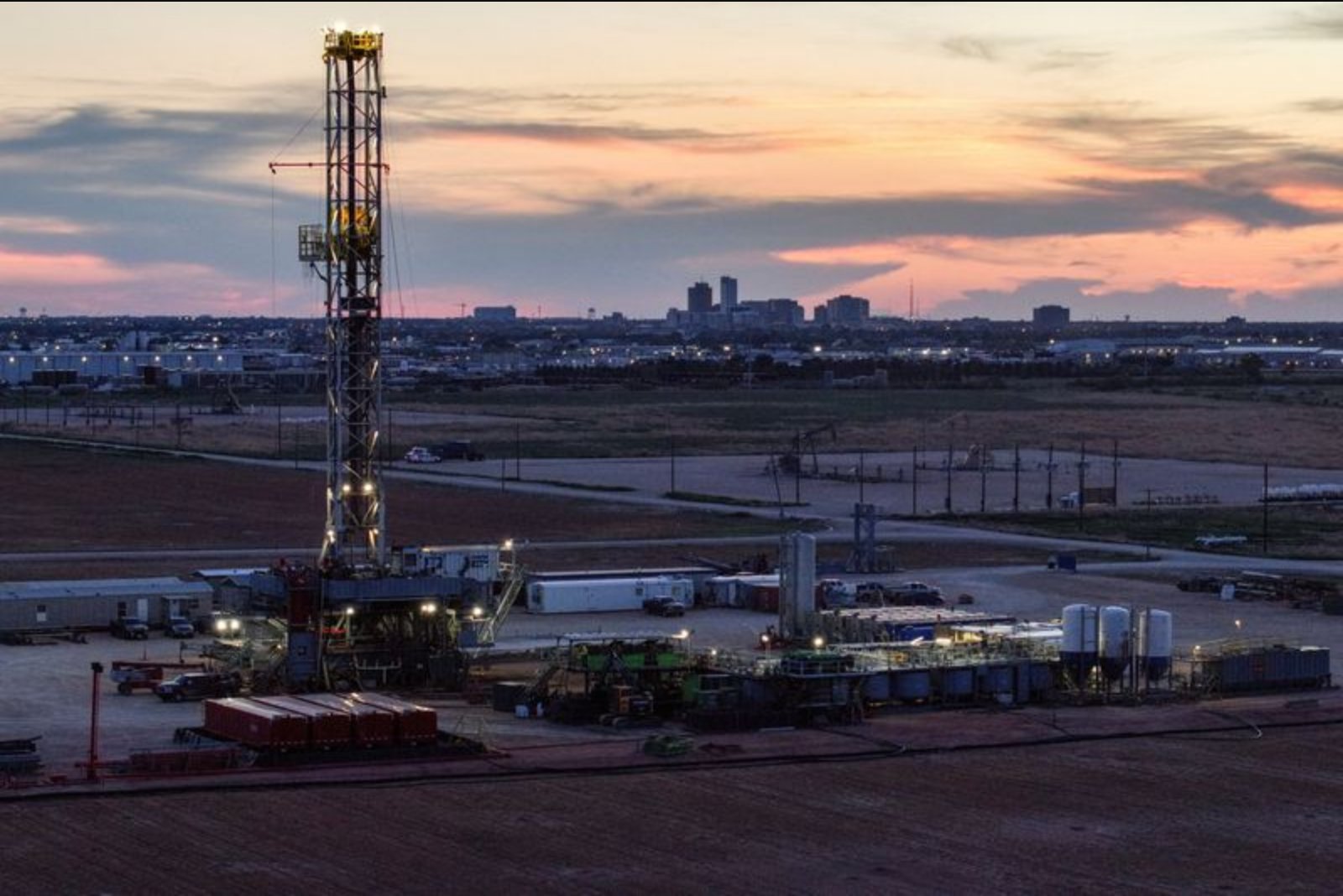
Private energy firms and their financial backers are positioning themselves at the forefront of the next phase of global shale activity, taking early stakes in overseas basins while many listed U.S. producers concentrate on preserving capital and developing their core U.S. acreage.
The dynamic mirrors the earliest chapter of the U.S. shale revolution, when independent wildcatters assumed the initial technical and financial risks to establish hydraulic fracturing and completion techniques before larger firms scaled operations. That playbook is now being replayed internationally: privately backed operators are stepping in first to prove plays abroad, while most public companies retain a cautious posture.
Industry analysts remain convinced that several international regions hold meaningful shale potential. Energy consultancy Wood Mackenzie issued a late-2024 forecast that non-U.S. shale output could reach 5-6 million barrels of oil equivalent per day by 2030 - a level approaching the roughly 6.6 million boepd produced today in America’s Permian basin heartland.
In practice, private operators are already moving. Continental Resources, the Harold Hamm-led company credited with early fracking work in North Dakota’s Bakken in the 1990s, has in the past year signed agreements to develop emerging shale plays in Turkey and Argentina. Formentera Partners, a private equity firm co-founded by former Parsley Energy executive Bryan Sheffield, has built a position in the Beetaloo basin of northern Australia.
Doug Lawler, CEO of Continental Resources, told attendees at the CERAWeek conference in Houston that the expertise developed in U.S. shale plays is "directly transferable" to Argentina’s shale prospects. He added at a separate appearance last month that Argentina’s potential could be comparable to the Permian.
Much of the international push is not about inventing new drilling and stimulation methods but about transferring operational knowledge to countries and state energy companies that can supply capital to kick-start local shale programs. That model attracts interest not only from private U.S. firms but from governments and national oil companies in energy-rich Gulf states that have signaled a desire to develop shale resources.
However, the conditions that supported the original U.S. shale surge - stable regulation and extensive pre-existing energy infrastructure - are not present everywhere. Promising plays such as Argentina’s Vaca Muerta sit in jurisdictions where regulatory stability and infrastructure are inconsistent, making the path to commercial-scale development more complex and uncertain.
Those operational and political challenges help explain why larger private players, with experience and capital to deploy internationally, are often best placed to take early positions. Wil VanLoh, founder and CEO of Houston-based private equity shop Quantum Capital Group, said that multiple national oil companies had contacted the firm in the past six months about potential overseas shale partnerships. VanLoh emphasized the opportunity for U.S. firms to develop high-quality international shale and called the moment a chance to secure "generational assets." He added that there may be a five- to seven-year window to establish meaningful positions.
By contrast, many publicly traded U.S. shale producers have narrowed their operational focus over the last decade to a limited set of core basins and have prioritized returning cash to shareholders. That strategic shift makes boards and investors wary of large overseas ventures that could prompt questions about the durability of domestic drilling inventories and might require additional capital expenditure amid uncertain global energy markets.
Mark Viviano, managing partner at Kimmeridge Energy Engagement Partners, cautioned that international growth should not undermine the capital discipline the sector has worked to build. "Investors will likely keep a short leash on companies that deviate from their proven areas of profitability," he said.
Even so, a subset of publicly held producers has signaled a willingness to evaluate or engage in international projects. EOG Resources entered agreements last year to partner with Abu Dhabi National Oil Company and Bahrain’s Bapco Energies on shale development. Ovintiv has been expanding through acquisitions that reflect a renewed focus on its Canadian operations, a market with established shale activity. Most executives, however, maintain a careful tone: interest exists, but commitments are conditional on economics and long-term relationship building.
Devon Energy CEO Clay Gaspar, when asked about international expansion on a recent analyst call, said the company has been "interested in understanding the potential" but described such ventures as long-dated investments and relationship efforts that require evaluation over time.
Separately, a commercial advisory section included in the reporting discusses an AI-driven service that evaluates Devon Energy stock using more than 100 financial metrics, promoting the tool’s ability to identify stocks with attractive risk-reward profiles. The advisory notes past winners from the product and invites readers to learn whether Devon Energy features in its strategies.