
Summary
PJM Interconnection expects an unprecedented winter demand peak this week while transmission line congestion across its footprint is slated to surge. The grid operator warned that more than 1,400 high-voltage lines would face restrictions on Thursday with average disruption durations of nearly 13 hours, forcing dispatch of less efficient plants, sending spot prices spiking, and elevating the probability of small, controlled power cuts that could expand if unresolved.
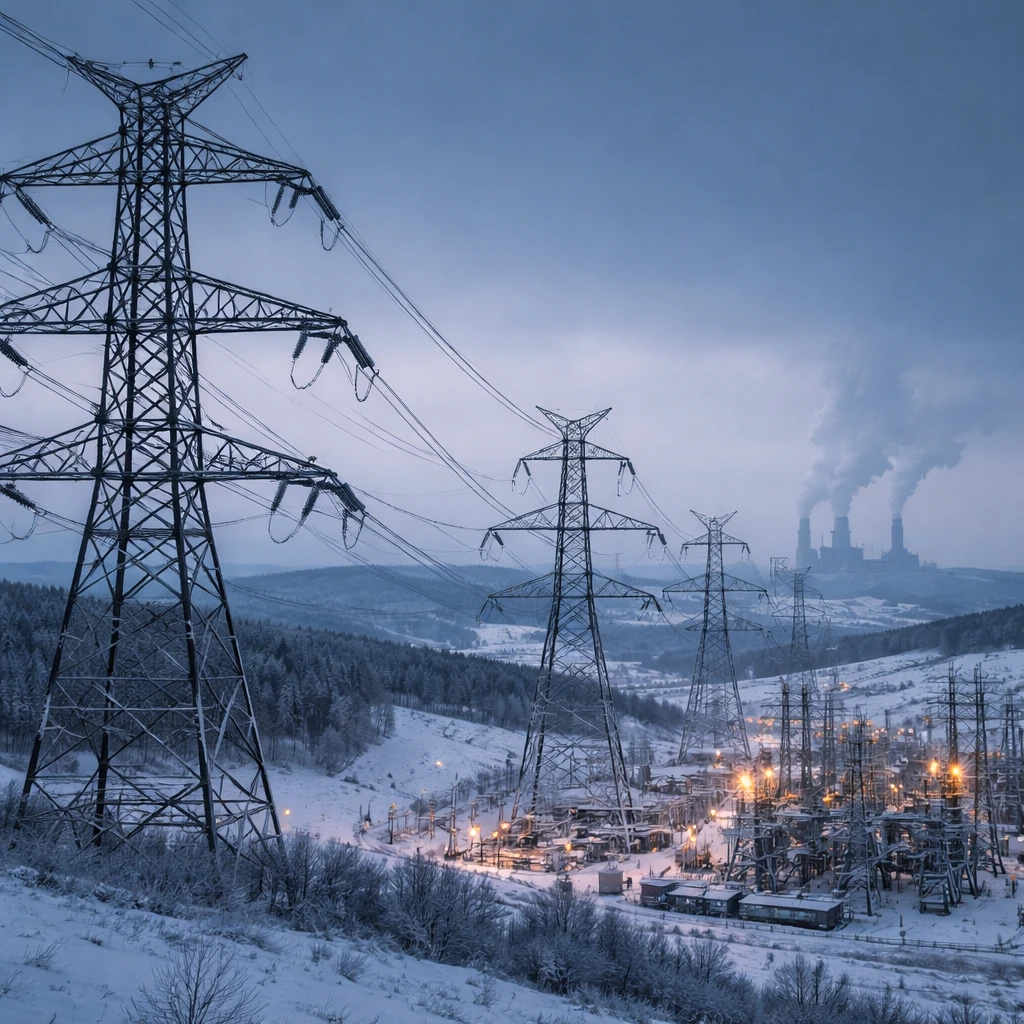
PJM, which coordinates electricity flows for about 67 million people across 13 Midwestern and Mid-Atlantic states and Washington D.C., has reported a marked increase in transmission constraints since the region was hit by heavy snow and frigid temperatures. Before this weather arrived, congestion affected roughly 60 power lines with average constraint durations around 4 hours. That pattern has shifted dramatically.
The operator issued five warnings this week to utilities about the potential for limited power cuts tied to transmission line problems, though no mandatory interruptions have been ordered so far. Transmission congestion prevents the lowest-cost generation from reaching end users, which means PJM and other grid managers must call on less efficient and more expensive plants to maintain supply.
Where congestion has impeded electricity flows, spot wholesale prices have surged. This week, prices surpassed $1,000 per megawatt hour in areas with significant constraints. On Wednesday morning, PJM's average spot price was about $730 per megawatt hour, and in the region served by Dominion Energy the average reached roughly $1,600 per megawatt hour.
Transmission and equipment trouble can produce small, controlled outages as operators isolate problems to protect the larger network. Those localized outages carry the risk of broader impacts if underlying issues persist or multiply. For example, PJM reported constraint problems on Wednesday morning affecting the lines and equipment serving the Fort Martin Power Station, a coal-fired plant in West Virginia near the Pennsylvania border.
Compounding the strain on generation, restricted natural gas supplies to power plants have been a major contributor to generator outages and elevated spot prices, according to PJM data and market analysts. Financial data from LSEG show average natural gas production in the Lower 48 states fell to 106.1 billion cubic feet per day so far in January, down from a monthly record of 109.7 billion cubic feet per day in December.
Daily gas output had fallen to a two-year low of 92.5 billion cubic feet per day on Sunday, largely attributed to freezing wells in Texas, Louisiana and Oklahoma. Output was on track to rise for a third consecutive day to 97.5 billion cubic feet per day on Wednesday, based on LSEG's reporting.
Across multiple regional grids, including PJM, New York and New England, operators are reporting that high-voltage lines are being overloaded. The overloads stem from a surge in demand as well as equipment issues linked to extreme cold with temperatures hovering above 0 degrees Fahrenheit (-18 Celsius) in some areas.
PJM forecast electricity demand would climb to 148 gigawatts on Friday, which the operator identified as a record for winter. The combination of elevated demand, widespread line restrictions and tightened gas supplies has pushed spot prices and the risk profile for the grid higher this week.
Implications and context in the near term
The most immediate consequence is higher spot wholesale electricity prices in constrained zones and increased reliance on less efficient generation. There is also an elevated operational risk that small, controlled outages could occur and, in the absence of mitigation, could spread.
Market participants, utilities and grid operators will be monitoring line restrictions, generator availability and gas supply flow changes closely as demand approaches the forecast peak.